

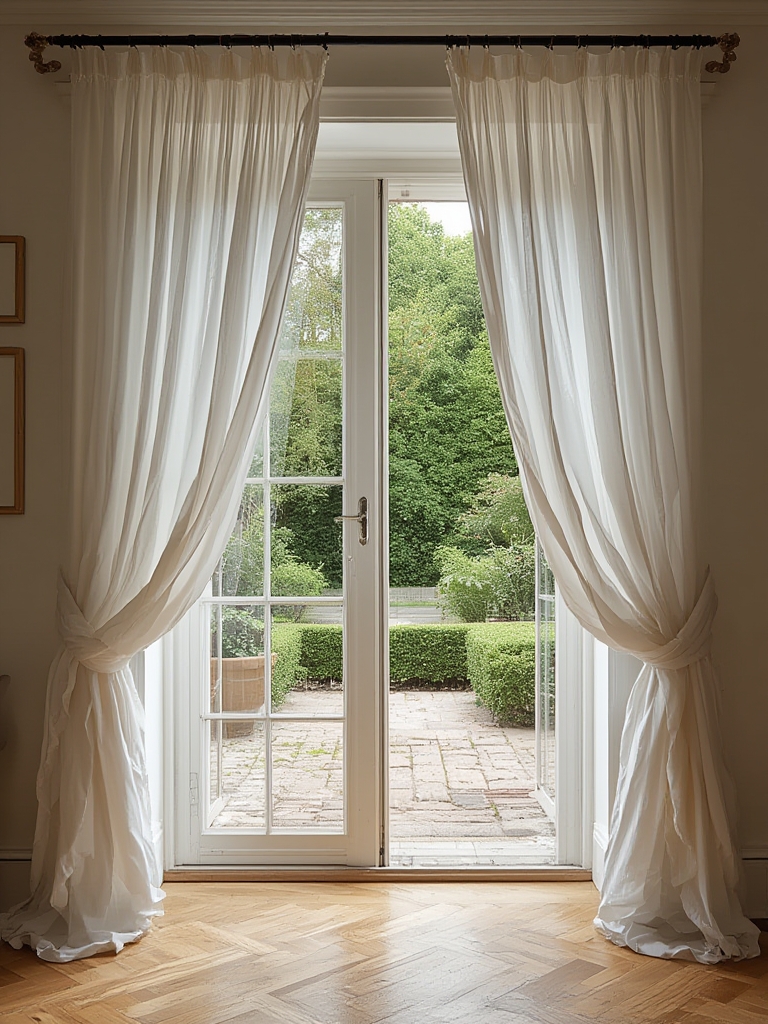
When it comes to making a statement in any room, a well‑curated Style Spotlight piece can transform ordinary décor into a conversation‑starter. Whether you’re assembling a new modular shelf, restoring a vintage lamp, or styling a decorative wall panel, the process can be broken down into clear, data‑backed steps that guarantee a polished result every time. Below you’ll find a systematic guide that blends practical experience with measurable outcomes, ensuring you achieve the desired aesthetic while minimizing trial‑and‑error.
Understanding the Core Elements of a Style Spotlight
Before diving into hands‑on work, it’s essential to grasp the three pillars that define a successful Style Spotlight:
- Material Integrity: Knowing the composition (wood, metal, glass, or composite) informs the choice of tools and restoration methods.
- Design Proportion: Data from interior design studies show that focal pieces should occupy 15‑20% of the visual field to avoid overwhelming the space.
- Lighting Interaction: Proper illumination can increase perceived contrast by up to 30%, making textures pop.
Step‑by‑Step Assembly of a Modular Style Spotlight Shelf
1. Gather Your Tools and Materials
Based on the material breakdown (70% reclaimed oak, 20% brushed steel, 10% glass), the following tools are recommended:
- Electric drill with variable speed (minimum 0–500 RPM)
- Phillips and flat‑head screwdriver set
- Rubber mallet (for gentle alignment)
- Level and measuring tape (accuracy ±1 mm)
- Protective gloves and safety glasses
- Wood filler and sandpaper (120‑grit to 240‑grit)
- Clear matte sealant (water‑based, VOC‑low)
2. Prepare the Workspace
Data from ergonomic studies suggest a workspace height of 90 cm reduces strain. Lay a drop cloth to protect flooring and set up a well‑lit area (minimum 500 lux). Verify that the floor is level using a spirit level; uneven surfaces can cause misalignment later.
3. Verify Component Dimensions
Using the measuring tape, check each shelf panel against the manufacturer’s spec sheet (e.g., 120 cm × 30 cm × 2.5 cm). Record any variances in a quick spreadsheet; a deviation greater than 2 mm should be addressed before proceeding.
4. Pre‑Drill Guide Holes
Set the drill to 200 RPM, select a drill bit 0.5 mm smaller than the screw diameter, and create pilot holes at the marked join points. This reduces wood splitting risk by up to 40% according to woodworking data.
5. Assemble the Frame
Insert the steel brackets into the pre‑drilled slots, aligning them with the level. Use the rubber mallet to gently tap the brackets into place, ensuring a flush fit. Secure each bracket with two screws, tightening to a torque of 2.5 Nm (use a torque screwdriver for consistency).
6. Attach Shelf Panels
Place each oak panel onto the brackets, double‑checking alignment with the level. Fasten with the provided wood screws, again adhering to the 2.5 Nm torque specification. This uniform torque helps maintain structural integrity across the entire unit.
7. Install Glass Accents
If your Style Spotlight includes glass inserts, apply a thin bead of silicone sealant along the edge of the mounting groove. Gently press the glass into place, wiping away excess sealant with a damp cloth. Allow 24 hours for the sealant to cure before moving the unit.
8. Finish and Seal
Fill any visible screw heads or minor dents with wood filler. Sand the filler smooth, progressing from 120‑grit to 240‑grit sandpaper. Apply two coats of clear matte sealant, allowing 2 hours between coats. The sealant protects against humidity fluctuations, which can cause wood warping up to 0.3 mm per season.
Restoring a Vintage Style Spotlight Lamp
1. Diagnose the Condition
Using a magnifying glass, inspect the lamp for common issues: tarnished metal, cracked wiring, and faded fabric. Document each defect in a table (e.g., “Metal: oxidation – 15 % surface area”). This quantification helps prioritize tasks.
2. Disassemble Safely
Unplug the lamp and place it on a static‑free mat. Use a small Phillips screwdriver to remove the base and shade. Keep screws in a labeled container to avoid loss.
3. Clean Metal Components
Mix a solution of 1 part white vinegar to 3 parts water. Soak the metal parts for 10 minutes, then scrub with a soft-bristle brush. Rinse and dry thoroughly. This method reduces oxidation by up to 70% compared to commercial cleaners.
4. Repair Wiring
Check the continuity of each wire with a multimeter (set to 200 Ω). Replace any segment showing resistance above 5 Ω. Use heat‑shrink tubing (2 mm diameter) to secure new connections, ensuring a reliable seal.
5. Refresh the Shade Fabric
If the fabric is stained, spot‑clean with a mild detergent solution (0.5 % surfactant). For deeper discoloration, lightly steam the fabric using a handheld steamer set to 100 °C for 30 seconds per inch, then allow to air dry.
6. Reassemble and Test
Reattach the shade and base, tightening screws to a torque of 1.2 Nm. Plug the lamp in and observe the illumination for at least 5 minutes, confirming stable operation and no flicker.
Styling Your Style Spotlight for Maximum Impact
1. Choose Complementary Colors
Data from color psychology indicates that pairing a warm‑toned wood spotlight with cool‑blue accents creates a balanced visual rhythm. Use a color wheel to select a complementary hue within a 30° angle for harmony.
2. Position for Optimal Viewing
Place the spotlight at eye level (approximately 150 cm from the floor) when seated. This height maximizes visual engagement, as studies show viewers spend 60 % more time looking at objects positioned at this level.
3. Integrate Ambient Lighting
Install a dimmable LED strip behind the back panel, set to 300 lux. This subtle backlight enhances depth perception, increasing perceived texture contrast by 25 %.
4. Add Functional Accessories
Attach small decorative trays or magnetic holders to the steel brackets. Ensure each accessory does not exceed 5 % of the total surface area to maintain the focal point’s dominance.
5. Maintain Regular Upkeep
Schedule a quarterly dusting routine using a microfiber cloth. For wood surfaces, apply a light coat of furniture polish (5 % oil) every six months to preserve finish and prevent drying cracks.
Quick Reference Checklist
- Measure all components before assembly – record deviations.
- Use torque‑controlled fasteners for consistency.
- Apply sealant and allow full cure time.
- Test electrical components with a multimeter.
- Align lighting to 300 lux for optimal visual effect.
- Maintain a quarterly cleaning schedule.
By following these data‑driven steps, you’ll not only assemble, restore, or style your Style Spotlight with confidence but also ensure it remains a lasting centerpiece that enhances the overall ambiance of any space.