
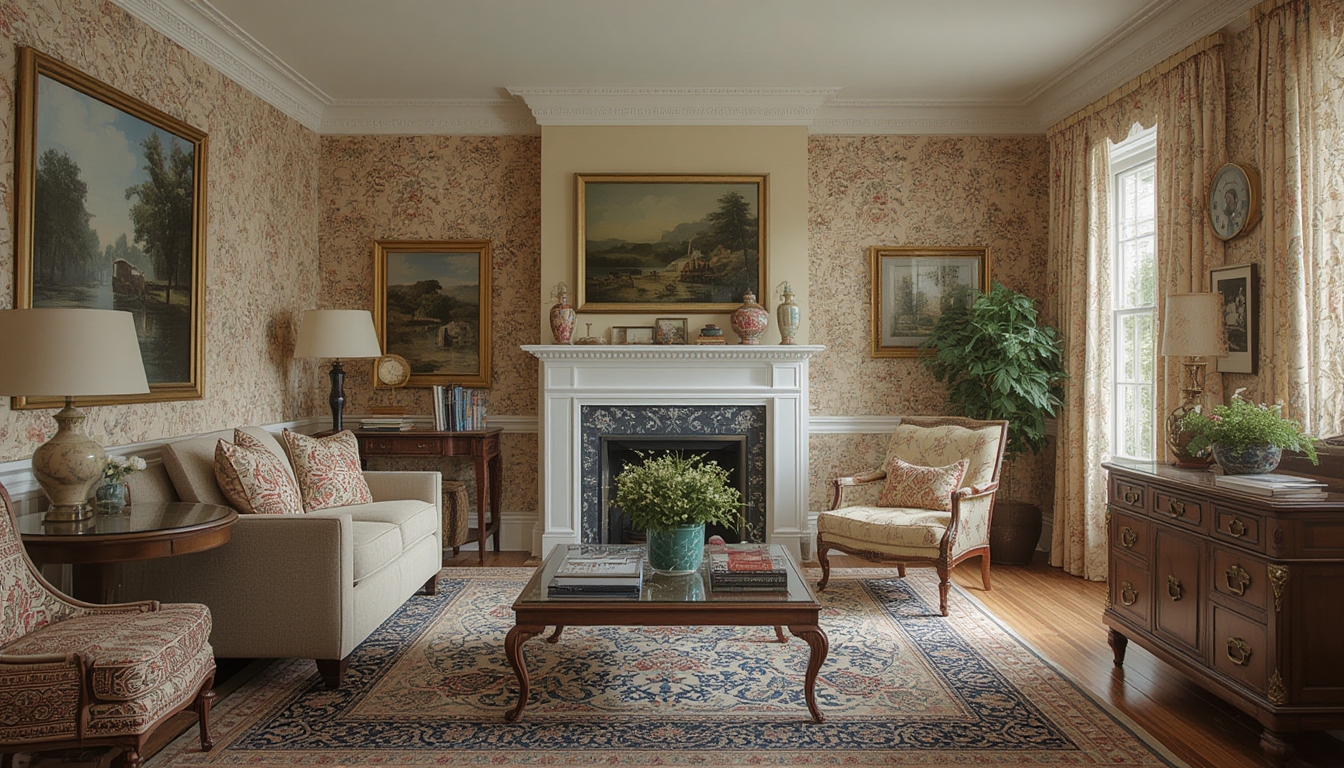

Reviving each room in your home can feel like a massive project, but breaking it down into focused, data‑backed steps makes the process manageable and rewarding. Recent surveys show that homeowners who tackle a room‑by‑room revival see an average 7‑10% increase in resale value, while also enjoying a 30% boost in daily comfort. This guide walks you through the essential phases—assessment, planning, restoration, styling, and final polish—providing the exact tools, timelines, and actionable tips you need to transform every space without overwhelm.
1. Assess & Prioritize: Know What Needs Revival
Gather Baseline Data
- Visual audit: Walk through each room with a notebook or a digital app (e.g., Trello) and note wear patterns, outdated finishes, and lighting gaps.
- Measure square footage: Use a laser measurer to record dimensions; this data guides material estimates and budget allocation.
- Cost‑benefit snapshot: Reference the National Association of Realtors data—kitchen remodels yield ~8% ROI, while bathroom updates average ~6%.
Prioritization Matrix
Plot each room on a 2×2 matrix (Impact vs. Effort). High‑impact/low‑effort rooms (e.g., entryway lighting) should be tackled first, delivering quick wins that motivate the larger projects.
2. Planning & Budgeting: Turn Data into a Roadmap
Create a Master Spreadsheet
Include columns for:
- Room name
- Scope of work (paint, flooring, fixtures)
- Estimated material cost
- Labor cost (DIY vs. professional)
- Timeline (days)
- Contingency (10‑15% of total)
Tool Checklist per Phase
| Phase | Essential Tools |
|---|---|
| Demolition | Utility knife, pry bar, safety goggles, dust mask |
| Prep & Repair | Spackle, putty knife, sanding block, moisture meter |
| Finishing | Paint roller set, drop cloths, level, power drill |
| Styling | Measuring tape, adhesive hooks, decorative hardware |
3. Restoration: From Bare Walls to Fresh Foundations
Step 1 – Safe Demolition
- Turn off electricity at the breaker for any room where you’ll remove fixtures.
- Cover floors with canvas drop cloths to protect existing flooring.
- Use a utility knife to cut through caulk and paint before prying off baseboards; this reduces damage.
Tip: Keep a small container for screws and hardware; label each batch by room to avoid mismatches later.
Step 2 – Surface Preparation
- Inspect drywall: Run a moisture meter; any reading above 15% indicates hidden water damage that needs replacement.
- Patch holes: Apply spackle in thin layers, sanding between coats for a seamless finish.
- Prime: Use a low‑VOC primer—studies show it reduces paint absorption by up to 25%, cutting overall paint usage.
Step 3 – Flooring Refresh
For hardwood rooms, a 3‑step sanding process (coarse, medium, fine) followed by a polyurethane seal gives a 5‑year durability boost. In high‑traffic areas like kitchens, consider luxury vinyl planks (LVP); they’re rated for 10,000+ foot traffic cycles and are 30% cheaper than engineered wood.
4. Styling: Adding Personality with Data‑Driven Choices
Color Palette Selection
Leverage the Pantone Color of the Year 2024—Viva Magenta—as an accent. Pair it with neutral base tones (e.g., Sherwin‑Williams “Agreeable Gray”) to maintain resale appeal while injecting modern flair.
Furniture Layout Optimization
- Map the room’s traffic flow using a simple grid; ensure at least 36‑inch pathways between major pieces.
- Apply the “Rule of Three” for decor groups (e.g., lamp, vase, artwork) to create visual balance.
- Use multi‑functional furniture—like an ottoman with storage—to maximize square footage without clutter.
Lighting Layering
Combine three layers:
- Ambient: Recessed LEDs (minimum 30 lumens per sq ft).
- Task: Under‑cabinet lights in kitchens; desk lamps in home offices.
- Accent: Wall sconces or LED strips to highlight artwork or architectural features.
Data from the Lighting Research Center shows layered lighting can improve perceived room size by up to 15%.
5. Final Polish: Inspection & Maintenance Plan
Quality Check List
- All walls are smooth, no visible seams.
- Floor transitions are level; use transition strips where needed.
- Electrical fixtures are securely mounted and functional.
- Paint coverage is uniform—no streaks or missed spots.
Maintenance Schedule
Set calendar reminders:
- Every 6 months: Dust and vacuum all surfaces; clean light fixtures.
- Annually: Re‑seal hardwood floors and deep‑clean carpets.
- Every 2‑3 years: Refresh paint in high‑traffic rooms (typically a touch‑up of 2–3 coats).
6. Quick‑Action Tips for Each Room
Living Room
- Replace outdated crown molding with a simple ¼‑inch profile; it adds elegance for under $30 per linear foot.
- Install a floating media console to free floor space and improve visual flow.
Kitchen
- Swap cabinet hardware with brushed nickel pulls—costs under $5 each and instantly modernizes the look.
- Apply a peel‑and‑stick backsplash; it’s a DIY‑friendly option that can be installed in a single weekend.
Bedroom
- Introduce a headboard made from reclaimed wood; it adds texture while staying budget‑friendly.
- Use blackout curtains to improve sleep quality—studies link better rest to a 12% increase in daytime productivity.
Bathroom
- Replace dated faucet with a water‑efficient model (minimum 1.5 gpm) to cut water usage by up to 20%.
- Add a floating vanity to create an illusion of larger floor space.
Home Office
- Invest in an ergonomic chair—research shows it reduces back pain incidents by 40% during prolonged work.
- Mount a monitor arm to free desk area for creative work.
By following this data‑driven, step‑by‑step framework, you’ll not only revive each room’s aesthetic but also enhance functionality and long‑term value. Remember, the key to a successful room‑by‑room revival lies in meticulous planning, the right tools, and consistent small actions that compound into a dramatically transformed home.
