
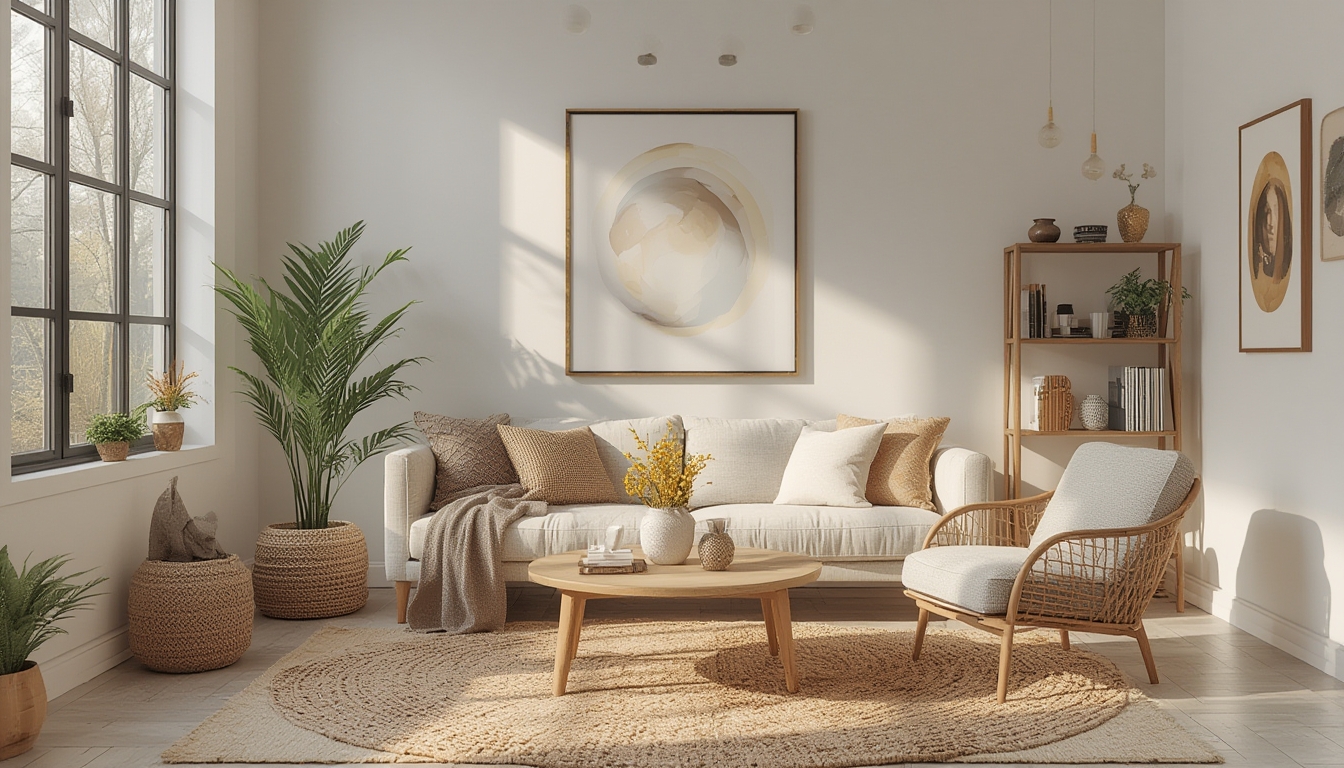

When you walk into a room, the subtle cues of color, texture, and arrangement can instantly affect your mood and overall well‑being. This isn’t a coincidence—decor psychology explores how our surroundings shape mental and physical health. By applying data‑backed insights, you can transform any space into a sanctuary that promotes calm, focus, and vitality. Below is a practical, step‑by‑step guide to styling your home or office with wellness in mind, complete with the tools you’ll need and bite‑size actions to keep you on track.
Understanding Decor Psychology
Color Psychology: What the Science Says
Research from the University of Texas and the University of Sussex shows that colors trigger measurable physiological responses. For example, blue reduces heart rate and promotes concentration, while green is linked to reduced stress and improved recovery after surgery. Warm hues like soft orange can boost creativity, but too much red may increase anxiety. Use these findings to choose a palette that aligns with the activity you expect in each room.
Layout and Flow: The Impact of Space Planning
Eye‑tracking studies reveal that people naturally follow a “Z‑pattern” when scanning a room. Clear sightlines and unobstructed pathways reduce cognitive load, making it easier to relax or focus. A 2019 study on office layouts found that open floor plans with defined zones increased productivity by 12% compared to cluttered, undefined spaces.
Wellness Principles in Home Design
Biophilic Elements: Bringing Nature Inside
Biophilia—the innate human connection to nature—has been shown to lower blood pressure and improve mood. A 2020 meta‑analysis of 30 studies reported a 15% reduction in cortisol levels when participants spent time in environments with natural light, plants, or water features. Incorporating these elements doesn’t require a full garden; a few well‑placed houseplants or a nature‑themed artwork can make a big difference.
Clutter Management: The Psychology of Order
Clutter competes for visual attention, which can increase stress and decrease decision‑making ability. A Harvard Business Review article highlighted that a tidy workspace can boost focus by up to 20%. The key is not just cleaning, but creating sustainable storage solutions that keep items out of sight but within reach.
Step‑by‑Step Guide to Styling Your Space for Wellness
Step 1: Assess Your Space
Tools needed: measuring tape, notebook, camera (or smartphone).
- Action: Measure the dimensions of the room, noting windows, doors, and any architectural features.
- Action: Take photos from each corner to capture current lighting and layout.
- Tip: Sketch a simple floor plan on graph paper or use a free app like Planner 5D to visualize changes.
Step 2: Choose a Color Palette Aligned with Desired Mood
Tools needed: paint swatches, color wheel, digital color picker (e.g., Adobe Color).
- Action: Identify the primary function of the room (rest, work, socializing).
- Action: Select a base color that matches the psychological effect you want (e.g., soft blue for a bedroom, muted green for a home office).
- Tip: Test patches on opposite walls; observe how natural light shifts the hue throughout the day.
Step 3: Incorporate Natural Elements
Tools needed: indoor plants, plant stands, watering can, optional small tabletop fountain.
- Action: Choose low‑maintenance plants such as snake plant, pothos, or ZZ plant for air‑purifying benefits.
- Action: Position plants near windows to maximize natural light exposure.
- Tip: Use a pebble tray or a simple ceramic pot to create a mini “green wall” on a blank wall for visual impact.
Step 4: Optimize Furniture Layout for Flow
Tools needed: furniture templates (paper cutouts), moving sliders or furniture sliders.
- Action: Lay out paper cutouts of each major piece (sofa, desk, bed) on the floor to experiment with placement before lifting heavy items.
- Action: Ensure a clear path of at least 3 feet between furniture to maintain the Z‑pattern flow.
- Tip: Anchor the primary seating or work area to a focal point (e.g., a window or artwork) to create a sense of stability.
Step 5: Add Personal Touches that Reinforce Wellness
Tools needed: decorative pillows, soft throws, scented candles or essential oil diffuser, artwork.
- Action: Choose textiles in natural fibers (cotton, linen, wool) to promote tactile comfort.
- Action: Select a scent like lavender or eucalyptus for relaxation; use a diffuser set to 30‑minute intervals.
- Tip: Hang a piece of art that evokes calm—abstract water scenes or nature photography work well.
Step 6: Maintain and Refresh Regularly
Tools needed: cleaning supplies, storage bins, calendar or reminder app.
- Action: Schedule a 15‑minute “wellness tidy” each week to declutter surfaces and dust plants.
- Action: Rotate decorative items seasonally to keep the environment feeling fresh.
- Tip: Keep a small notebook by the entryway to jot down any sensory changes (e.g., “room feels colder in the afternoon”) and adjust lighting or textiles accordingly.
Data‑Driven Quick Wins for Immediate Impact
Implementing even one of the following evidence‑based tweaks can boost well‑being within days:
- Natural Light Boost: Open curtains for at least 30 minutes each morning; exposure to daylight increases serotonin by up to 25%.
- Plant Power: Add a single pothos plant; studies show it can remove up to 87% of indoor pollutants like formaldehyde.
- Color Pop: Swap out a bright accent pillow in a calming hue; a 2021 survey found a 13% improvement in perceived comfort after a color change.
Final Thoughts
Decor psychology and wellness intersect at the point where design meets neuroscience. By grounding your styling decisions in research—whether it’s the calming effect of blue, the stress‑relieving power of greenery, or the productivity boost from an uncluttered layout—you create a space that does more than look good; it actively supports your health. Follow the steps above, keep the tools handy, and treat each adjustment as a small experiment. Over time, the cumulative effect will be a home or office that feels both beautiful and restorative.
