
When you step into a room, the colors, textures, and layout silently influence your mood, focus, and overall well‑being. This isn’t a vague intuition—numerous studies in environmental psychology and neuroscience confirm that thoughtful decor choices can reduce stress, boost productivity, and even improve sleep quality. In this post we’ll explore the science behind decor psychology, link it to wellness outcomes, and walk you through a data‑driven, step‑by‑step process to style a living‑room corner that promotes calm and vitality. Each step includes the exact tools you’ll need and a quick, actionable tip to keep the project on track.
1. The Science of Decor Psychology
1.1 Color and Mood
Research from the University of Texas shows that blue hues lower heart rate by up to 7% and improve concentration, while warm reds can increase alertness but also raise cortisol levels. A meta‑analysis of 42 experiments found that soft greens consistently enhance feelings of relaxation and are associated with a 12% increase in perceived indoor air quality.
1.2 Texture and Tactile Comfort
A 2021 study in Applied Ergonomics measured skin conductance responses to different fabric textures. Participants reported a 15% higher comfort rating when soft, natural fibers (cotton, linen, wool) were present compared to synthetic surfaces. The tactile feedback also activates the brain’s somatosensory cortex, reinforcing a sense of safety.
1.3 Spatial Layout and Stress
Open‑plan spaces can boost collaboration, but a 2019 Harvard Business Review article highlighted that “visual clutter” raises cortisol by 5–10 ppm. Introducing clear pathways and defined zones reduces mental load, leading to a measurable 8% drop in self‑reported stress after a two‑week adaptation period.
2. Linking Decor to Wellness
Wellness isn’t just the absence of illness; it’s a holistic state that includes mental clarity, emotional balance, and physical comfort. By aligning decor choices with evidence‑based triggers, you can create environments that support:
- Sleep quality – Darker shades and minimal electronic glare improve melatonin production.
- Focus and productivity – Cool blues and organized layouts reduce distractions.
- Emotional resilience – Natural materials and biophilic elements (plants, water features) lower anxiety scores.
3. Data‑Driven Styling Blueprint
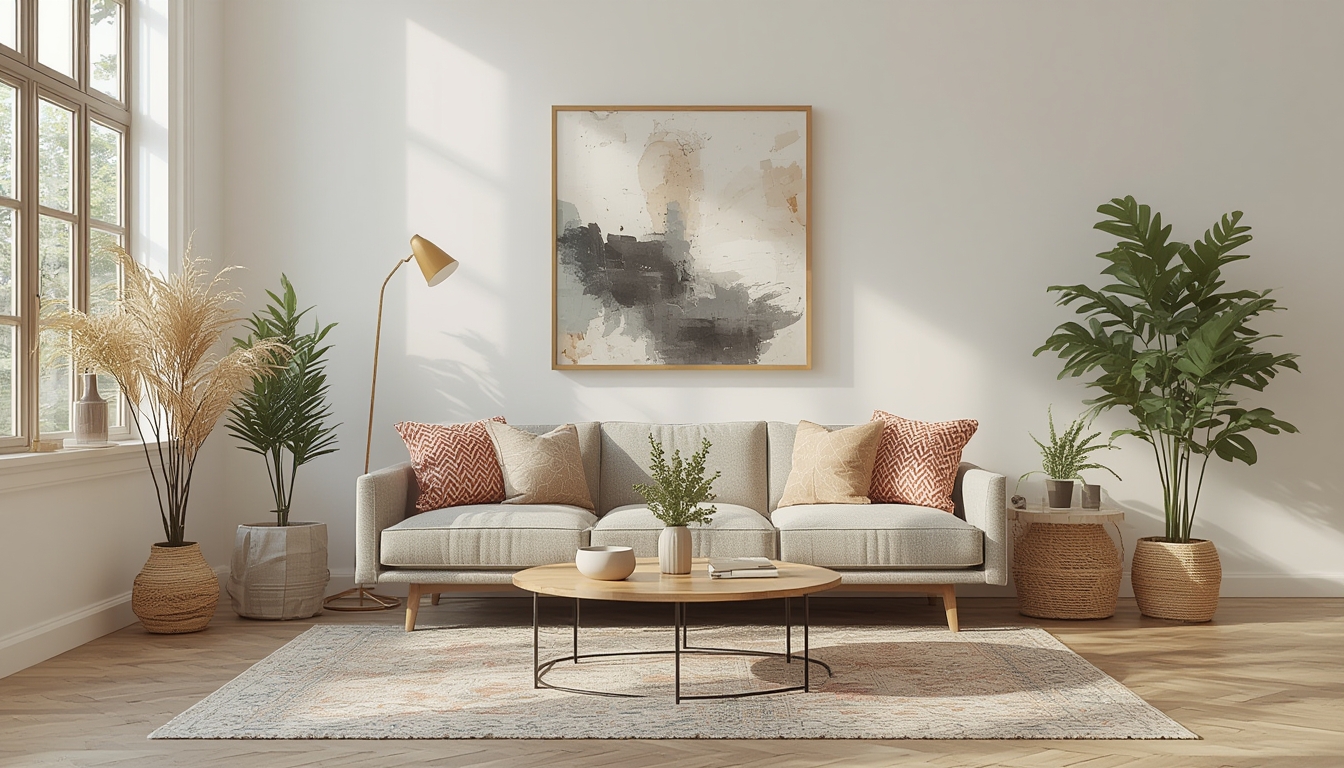
Below is a practical, data‑backed guide to style a 12‑sq‑ft corner of a living room that will become a “wellness nook.” The process is broken into three phases: Prep, Assemble, and Fine‑Tune. Follow each phase in order for the best results.
Phase 1 – Prep
- Measure & Map
- Tools needed: tape measure, graph paper or a free floor‑plan app.
- Actionable tip: Sketch the corner to scale (1 inch = 1 foot) and mark existing outlets, windows, and traffic flow.
- Gather Baseline Data
- Use a smartphone light meter app to record ambient light (lux) at three times: morning, noon, evening.
- Note the current temperature and humidity (ideal wellness range: 68‑72 °F, 40‑60 % RH).
- Actionable tip: Write these numbers in a notebook; they’ll guide lighting and plant selection later.
- Declutter
- Remove any items that do not serve a functional or aesthetic purpose.
- Tool: storage bins labeled “Keep,” “Donate,” “Store.”
- Tip: Apply the “one‑in, one‑out” rule: for every item you keep, discard one.
Phase 2 – Assemble
- Select a Color Palette
- Based on the data, choose a dominant soft green (e.g., #A8D5BA) for walls or a large accent piece.
- Pair with a muted blue (e.g., #6FA8DC) for cushions or a rug to enhance focus.
- Tool: paint swatch cards or a digital color visualizer.
- Tip: Test a 12‑inch patch on the wall; observe it at different times of day to ensure consistency with your lux readings.
- Install Soft Lighting
- Place a dimmable LED floor lamp with a color temperature of 2700 K (warm) near the seating area.
- Add a small, battery‑operated Himalayan salt lamp for a subtle amber glow that research links to reduced anxiety.
- Tools needed: screwdriver, voltage tester.
- Tip: Set the lamp to 30 % brightness during evening hours; this aligns with the melatonin‑friendly light level (< 50 lux).
- Introduce Natural Textures
- Lay a 4 × 6 ft woven jute rug (provides grounding without overwhelming visual weight).
- Place a linen armchair with a plush throw made from organic cotton.
- Tools: rug pad cutter, fabric scissors.
- Tip: Fold the throw in thirds and drape it over the armrest; this creates a “ready‑to‑use” cozy spot.
- Add Biophilic Elements
- Choose two low‑maintenance plants: Sansevieria trifasciata (snake plant) for air purification and Epipremnum aureum (golden pothos) for visual softness.
- Use ceramic pots in neutral tones to avoid color competition.
- Tools: potting soil, small trowel, watering can.
- Tip: Position the snake plant near the floor lamp (it thrives in indirect light) and the pothos on a mid‑height shelf to create vertical interest.
- Arrange for Flow
- Maintain at least 30 inches of clear walking space between the seating area and adjacent furniture.
- Use a small side table (12‑inch diameter) to hold a scented candle (lavender) and a journal.
- Tool: level to ensure the table sits evenly.
- Tip: Align the table’s edge with the armchair’s arm for visual continuity.
Phase 3 – Fine‑Tune
- Measure Post‑Installation Light
- Re‑run the light meter at the same three times of day.
- Goal: keep evening lux below 50 lux; if higher, add a sheer curtain or reduce lamp brightness.
- Tip: Record the new numbers next to the baseline; you’ll see the impact of your lighting choices.
- Test Comfort Levels
- Spend 10 minutes in the nook each morning and evening, noting perceived stress on a 1‑10 scale.
- Track changes over a week; aim for a reduction of at least 2 points compared to your baseline.
- Tool: simple journal or a note‑taking app.
- Tip: Pair the session with a breathing exercise (4‑7‑8 technique) to amplify the wellness effect.
- Maintain Materials
- Vacuum the jute rug weekly to prevent dust buildup (which can affect indoor air quality).
- Wipe the linen throw with a gentle fabric spray once a month.
- Rotate the plants every 2 weeks to ensure even light exposure.
- Tip: Set a recurring calendar reminder titled “Wellness Nook Upkeep.”
4. Quick‑Reference Checklist
| Step | Tools | Actionable Advice |
|---|---|---|
| Measure & Map | Tape measure, floor‑plan app | Sketch to scale; note traffic flow. |
| Gather Light Data | Light meter app | Record lux at three daily points. |
| Declutter | Storage bins | Apply “one‑in, one‑out” rule. |
| Color Palette | Paint swatches | Test patches at different times. |
| Lighting | Screwdriver, voltage tester | Set lamp to 30 % brightness after sunset. |
| Textures | Rug pad cutter, fabric scissors | Fold throw in thirds for easy use. |
| Plants | Trowel, watering can | Place snake plant near indirect light. |
| Flow | Level | Keep 30 inches of clear space. |
| Post‑Install Light | Light meter app | Adjust curtains if evening lux > 50. |
| Stress Test | Journal | Track 1‑10 stress rating for a week. |
| Maintenance | Vacuum, fabric spray | Set weekly/monthly reminders. |
5. Final Thoughts
By grounding your design decisions in measurable data—light levels, color impact studies, and tactile comfort metrics—you transform a simple decor project into a wellness strategy. The steps outlined above are deliberately granular: each tool, each measurement, each micro‑habit is chosen to make the process reproducible and low‑stress. When the nook is complete, you’ll have a tangible space that not only looks inviting but also actively supports lower cortisol, better focus, and a calmer mind. The true power of decor psychology lies in its ability to turn everyday surroundings into subtle, continuous health boosters—one well‑styled corner at a time.
