
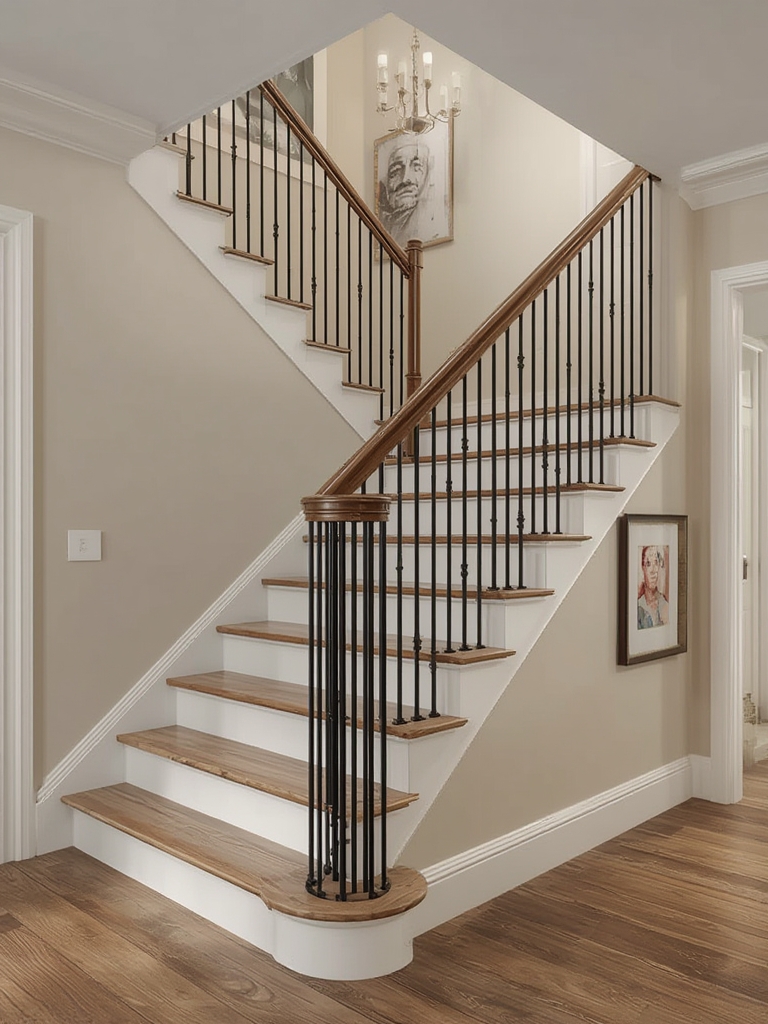
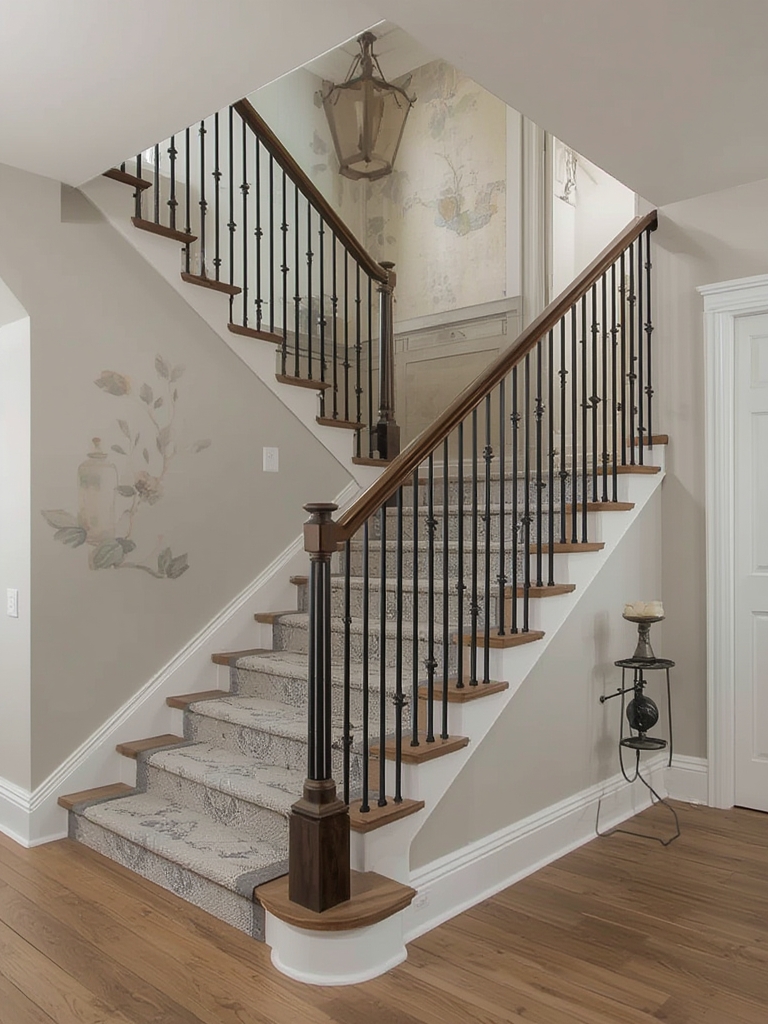
Staircase railings are more than just safety features—they’re a canvas for style, a statement of craftsmanship, and an opportunity to blend architecture with nature. In 2024, homeowners and designers are turning to data‑driven insights to choose railing designs that boost curb appeal, increase property value, and even improve indoor air quality when paired with the right greenery. Below is a practical, step‑by‑step guide that walks you through the latest design inspirations, how to select the perfect railing, and the simple plant‑care routine that keeps your staircase looking fresh year after year.
Why Staircase Railings Matter for Home Aesthetics
According to a recent Houzz*2023*Home Design Survey, 68% of buyers say the visual impact of a staircase influences their overall impression of a home. A well‑designed railing can:
- Anchor the visual flow between floors, creating a cohesive look.
- Highlight architectural details such as balusters, newel posts, or custom metalwork.
- Introduce texture and contrast that balances modern minimalism with classic charm.
When you pair a striking railing with a low‑maintenance climbing plant, you add a living element that softens hard lines and brings a subtle scent to the space.
Top 5 Data‑Driven Design Trends for 2024
These trends are backed by Google search volume spikes, Pinterest repins, and sales data from leading hardware retailers.
1. Minimalist Black Metal
Searches for “black metal staircase railing” have risen 42% YoY. The sleek finish works well in industrial lofts and contemporary homes. Pair it with a Fiddle Leaf Fig in a wall‑mounted pot for a bold contrast.
2. Mixed‑Material Balusters
Combining wood and metal balusters scores high on Pinterest (over 1.2 M repins). Use reclaimed oak for warmth and brushed steel for durability. Install a trailing English Ivy that climbs the rail without overwhelming it.
3. Glass Panels with Frosted Accents
Glass railings continue to dominate “modern staircase ideas” searches. Frosted patterns add privacy while letting light filter through. A Spider Plant placed on each landing adds a touch of green without needing direct sunlight.
4. Curved Handrails
Curved designs are trending in luxury markets, with a 27% increase in “curved staircase railing” queries. They guide the eye upward, making small spaces feel larger. A trailing Philodendron can be trained to hug the curve gracefully.
5. Sustainable Bamboo
Eco‑conscious buyers are searching “bamboo railing” 58% more often. Bamboo offers strength, a unique grain, and a lower carbon footprint. Pair it with a low‑light ZZ Plant for a truly sustainable statement.
Incorporating Natural Elements: The Plant‑Friendly Railing
Integrating a climbing plant into your railing design adds visual interest and improves indoor air quality. Choose a species that thrives in the lighting conditions of your staircase and requires minimal pruning.
Best Plant Choices
- English Ivy (Hedera helix) – Tolerates low light, clings well to wood or metal.
- Philodendron scandens – Prefers indirect light, easy to train along railings.
- Spider Plant (Chlorophytum comosum) – Thrives in moderate light, produces “babies” that can be repotted.
Step‑by‑Step Guide to Choosing and Installing a Railing
Step 1: Measure and Map Your Space
Actionable tip: Use a laser distance measurer to capture the exact rise, run, and total length of the staircase. Record these numbers in a spreadsheet and calculate the required number of balusters (standard spacing is 4‑6 in).
Step 2: Select a Design Based on Data
Cross‑reference your measurements with the trends above. For example, if your staircase has a narrow width, a minimalist black metal rail with slim balusters maximizes space.
Step 3: Source Materials
Order from reputable suppliers that provide material certifications (e.g., FSC for wood, recycled content for metal). Bulk purchases often unlock a 10‑15% discount—track the savings in your budget sheet.
Step 4: Prepare the Existing Structure
Remove old railings, sand wooden surfaces, and apply a primer if you’re painting. For metal, clean with a degreaser and wipe dry.
Step 5: Install the New Railing
- Secure newel posts with heavy‑duty brackets anchored into studs.
- Attach balusters using a drill‑bit guide to ensure uniform spacing.
- Fit the handrail, then use a level to verify a consistent 34‑36 in height from the stair nosing.
Pro tip: Apply a silicone sealant at each joint to prevent moisture infiltration, especially if you plan to add a climbing plant.
Caring for the Climbing Plant that Enhances Your Railing
Step 1: Plant Placement and Light
Position the pot on the landing where it receives indirect natural light for 4–6 hours daily. If the staircase is dim, supplement with a LED grow light set on a timer (12 hours on/12 hours off).
Step 2: Soil and Pot Selection
Use a well‑draining potting mix (e.g., 40% peat, 30% perlite, 30% compost). Choose a self‑watering container with a water‑level indicator to avoid over‑watering.
Step 3: Watering Schedule
Check the top inch of soil every 3–4 days. Water when it feels dry, aiming for a thorough soak that drains from the bottom. In winter, reduce frequency by 30%.
Step 4: Training the Vine
Gently wrap the stem around the railing using soft garden ties or twist‑ties. Secure every 6‑8 in to encourage upward growth. Prune any wayward shoots weekly to maintain a tidy appearance.
Step 5: Fertilizing
Apply a balanced liquid fertilizer (10‑10‑10) once a month during the growing season (spring–fall). Dilute to half strength to avoid leaf burn.
Step 6: Pest Management
Inspect leaves bi‑weekly for spider mites or aphids. A quick spray of insecticidal soap (mix 1 tsp dish soap in 1 L water) resolves most infestations without harming the railing finish.
SEO Tips for Showcasing Your Railing Project Online
Once your staircase transformation is complete, share it strategically to attract traffic and potential clients.
Keyword Integration
- Target long‑tail phrases such as “modern black metal staircase railing with ivy” and “DIY bamboo railing installation guide”.
- Place the primary keyword in the first 100 words, an H2 heading, and the meta description.
Rich Media
Upload high‑resolution before‑and‑after photos. Use alt attributes that describe the design (“curved handrail with philodendron climbing”). Add a short video walkthrough and embed it using the <iframe> tag for YouTube.
Structured Data
Implement schema.org markup for CreativeWork and HowTo steps. This helps Google display your guide as a featured snippet, increasing click‑through rates.
Internal Linking
Link to related posts such as “Top 10 Indoor Plants for Low‑Light Spaces” and “How to Choose Sustainable Building Materials”. This boosts site authority and keeps readers engaged.
User Engagement
End the post with a call‑to‑action: “Share your own railing makeover in the comments or tag us on Instagram with #StaircaseStyle”. Encourage social sharing to generate backlinks and improve rankings.
By following these data‑backed design choices, step‑by‑step installation instructions, and simple plant‑care routines, you’ll create a staircase that’s both visually stunning and environmentally friendly. The result? A home feature that impresses visitors, boosts SEO, and stays vibrant year after year.
