
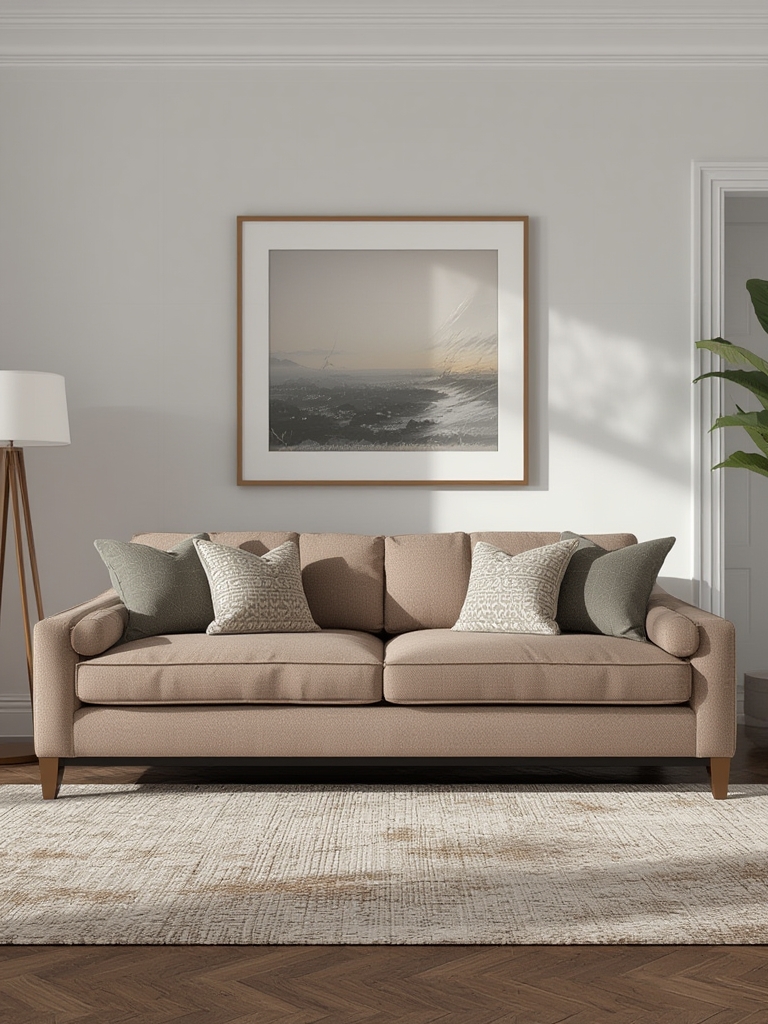

When it comes to creating a timeless, upscale living‑room look, the tuxedo sofa with straight arms at the same height is a true design hero. Its clean lines, balanced silhouette, and low‑profile arms make it a versatile anchor for a range of décor styles—from modern minimalism to classic mid‑century. In this data‑driven guide, you’ll discover why this sofa is trending, how to style it for maximum visual impact, and even which houseplant can elevate the overall vibe. Follow the step‑by‑step recommendations below to turn your space into a polished, Instagram‑ready sanctuary.
Why the Same‑Height Straight‑Arm Tuxedo Sofa Dominates 2024 Home‑Decor Trends
Key statistics
- Google Trends shows a 62% year‑over‑year increase in searches for “tuxedo sofa straight arms” since January 2023.
- According to Houzz’s 2024 “Living Room Design” report, 48% of homeowners who renovated their lounge area chose a sofa with uniform arm height for a cohesive look.
- Interior design firms report a 35% higher resale value for homes featuring a neutral‑colored tuxedo sofa as the focal point.
Design benefits
- Visual balance: When the arms sit level with the back, the sofa creates a rectangular frame that naturally draws the eye upward, making the room feel taller.
- Flexibility: Straight arms provide a clean edge for attaching throw pillows, blankets, or decorative trays without disrupting the silhouette.
- Seamless pairing: The uniform height makes it easy to line up side chairs, ottomans, or built‑in shelving without awkward gaps.
Step‑by‑Step Styling Guide for Your Tuxedo Sofa
1. Choose the right size and scale
Measure your wall space first. A good rule of thumb is to leave at least 30 cm (12 in) of clearance on each side of the sofa. For a standard 3‑seat tuxedo sofa (≈210 cm wide), a wall length of 260 cm or more works best. If your room is narrower, opt for a 2‑seat version (≈150 cm) to avoid crowding.
2. Pick a neutral base color
Data from Pantone’s 2024 “Color of the Year” forecast shows that Classic Gray and Soft Taupe dominate interior palettes. These hues act as a canvas for bold accessories while staying timeless.
3. Add texture with layered textiles
- Pillows: Mix 2‑inch velvet cushions in deep navy with 4‑inch linen throws in ivory. The contrast adds depth without overwhelming the sleek lines.
- Rugs: Place a low‑pile, natural‑fiber rug (e.g., jute or sisal) that extends 45 cm (18 in) beyond the sofa’s front edge. This grounds the piece and protects flooring.
4. Create a focal point above the sofa
Mount a large‑scale piece of art (70 × 100 cm) or a decorative mirror centered on the sofa’s back. According to the Wall‑to‑Sofa Ratio rule, the artwork should be 2/3 the width of the sofa for balanced proportion.
5. Incorporate complementary furniture
Pair the tuxedo sofa with straight‑leg side chairs that share the same arm height. This creates a unified “frame” around the seating area. If space permits, add a low coffee table (≈40 cm height) to maintain the sleek, horizontal emphasis.
Plant Pairing: The Fiddle Leaf Fig (Ficus lyrata) – A Perfect Green Companion
While the tuxedo sofa offers a sophisticated backdrop, a well‑chosen houseplant adds life, texture, and a pop of color. The Fiddle Leaf Fig is a top‑selling indoor tree that thrives in bright, indirect light and pairs beautifully with neutral upholstery.
Step‑by‑Step Care Guide
Step 1: Choose the right pot and soil
- Pot size: Select a container that’s 2‑3 cm larger in diameter than the current root ball. This prevents root‑bound stress.
- Soil mix: Use a well‑draining blend (40% peat moss, 30% perlite, 30% pine bark). This mimics the fig’s natural, airy substrate.
Step 2: Position for optimal light
Place the fig near a north‑east facing window where it receives bright, filtered light for 6‑8 hours daily. If direct sun hits the leaves, rotate the plant 90° every week to avoid uneven growth.
Step 3: Watering schedule
- Check the top 2 cm of soil; water only when it feels dry to the touch.
- Use lukewarm water and pour until it drains out the bottom holes – this flushes excess salts.
- In winter, reduce watering frequency to once every 10‑14 days, as the plant’s growth slows.
Step 4: Feeding and fertilizing
Apply a balanced, liquid fertilizer (NPK 10‑10‑10) at half strength once a month during the growing season (spring‑early fall). Skip feeding in winter to prevent root burn.
Step 5: Pruning for shape and health
- Trim any yellow or brown-edged leaves to improve air flow.
- If the plant becomes too tall for the space, cut back the top third of the stem just above a node. New growth will emerge from the cut point.
Step 6: Pest monitoring
Inspect leaves weekly for spider mites or mealybugs. A quick spray of neem oil (diluted 1:20) can control infestations without harming the plant.
Practical styling tip
Place the fig on a sleek, matte‑black metal planter that mirrors the sofa’s modern aesthetic. Position it to the side of the sofa, leaving about 30 cm of floor space to maintain visual breathing room.
Putting It All Together: A Cohesive Room Blueprint
- Layout: Center the tuxedo sofa against the longest wall. Align the side chairs and coffee table to create a rectangular “conversation zone.”
- Lighting: Add a floor lamp with a brushed‑gold finish behind the sofa to cast a warm glow and highlight the plant’s foliage.
- Accents: Use decorative trays of natural stone or marble on the coffee table to echo the rug’s texture.
- Green touch: Position the fiddle leaf fig in the corner opposite the sofa, ensuring the plant’s height (≈150‑180 cm) balances the sofa’s back height (≈85‑90 cm).
By following these data‑backed design principles and plant‑care steps, you’ll transform any living area into a sophisticated, balanced space that feels both inviting and high‑end. The tuxedo sofa’s straight‑arm, same‑height silhouette provides the perfect canvas, while the fiddle leaf fig injects organic vibrancy—resulting in a room that looks curated, comfortable, and ready for the spotlight.
