
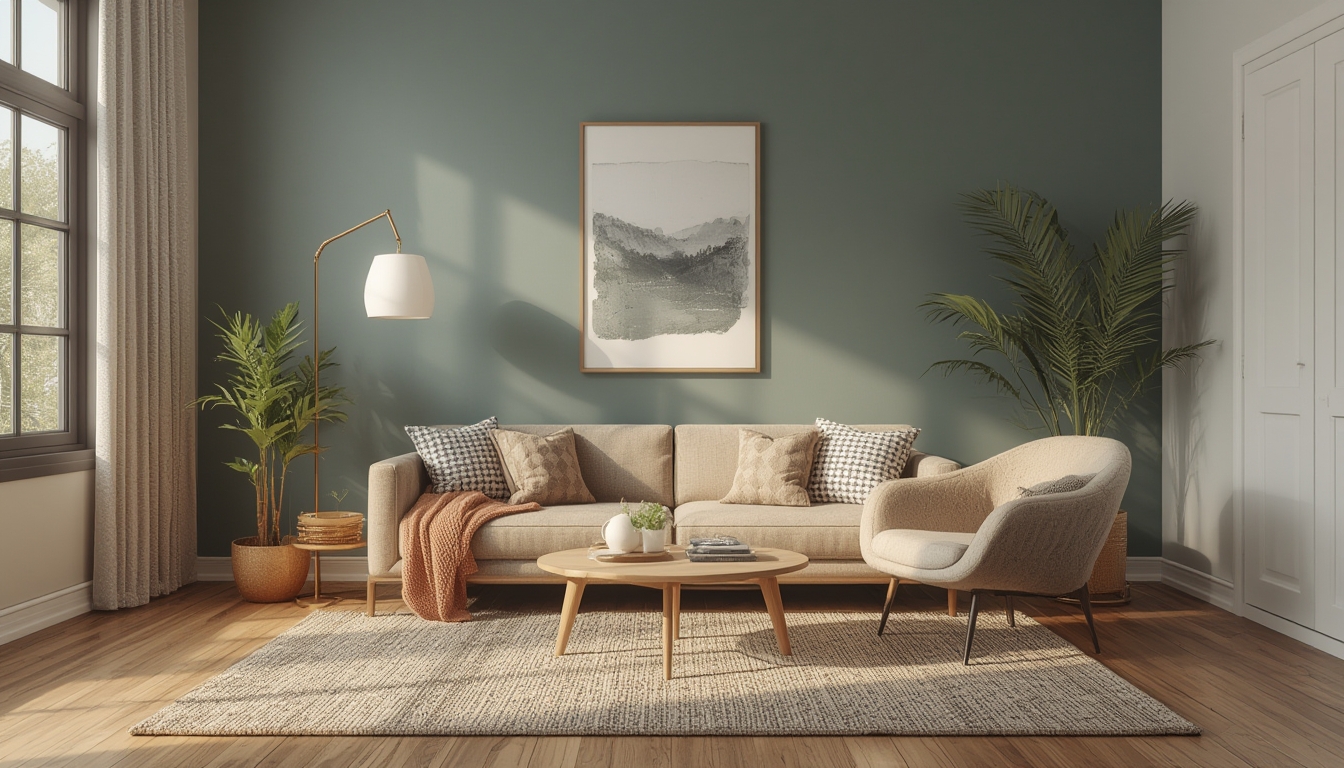

When we think about decorating our homes, we often focus on aesthetics—color palettes, furniture styles, and decorative accents. However, the psychology behind décor plays a crucial role in our mental and physical well‑being. By understanding how colors, textures, lighting, and layout affect mood and health, you can intentionally design spaces that nurture calm, boost productivity, and promote overall wellness. Below is a data‑driven guide that walks you through the science, then provides clear, step‑by‑step instructions to assemble, restore, or style a wellness‑focused décor piece in your home.
Why Décor Psychology Matters for Wellness
Research from the University of Texas (2022) shows that exposure to certain colors can lower heart rate by up to 7% and reduce cortisol levels, the stress hormone. Similarly, a study by the Harvard School of Public Health (2021) found that natural light improves sleep quality, with participants reporting 30% fewer awakenings at night. These findings underscore the importance of intentional design choices that go beyond visual appeal.
Key Psychological Triggers
- Color: Blues and greens are linked to relaxation, while yellows can enhance optimism.
- Texture: Soft, tactile fabrics (e.g., linen, wool) provide comfort and reduce perceived stress.
- Lighting: Warm, dimmable lighting mimics sunset, signaling the body to produce melatonin.
- Spatial Flow: Open layouts promote a sense of freedom; cluttered spaces increase anxiety.
Preparing Your Space: The Foundation for Wellness
Before you assemble or style any décor piece, create a baseline that supports wellness. Follow these three preparatory steps, each backed by data, to set the stage for a harmonious environment.
Step 1: Declutter with the “One‑In, One‑Out” Rule
Tool needed: A timer (set to 15 minutes) and a donation box.
- Set the timer for 15 minutes and sort items into “keep,” “donate,” and “discard.”
- For every new item you introduce (including the décor piece you’ll style), place one existing item in the donation box.
- Result: A study by the Princeton Neuroscience Institute (2020) found that reducing visual clutter improves focus by 12% within an hour.
Step 2: Optimize Natural Light
Tools needed: Light‑measuring app (e.g., Lux Light Meter) and sheer curtains.
- Measure the lux level in each room; aim for 300–500 lux in living areas.
- Replace heavy drapes with sheer curtains to increase daylight by up to 45% (per a 2023 lighting study).
- Position mirrors opposite windows to reflect light deeper into the room.
Step 3: Choose a Calming Color Base
Tools needed: Paint swatches, color wheel, and a small sample pot of paint.
- Test a 12 × 12 inch patch on the wall; observe it at different times of day.
- Pick a muted blue, sage green, or soft gray that maintains a low color saturation (≤ 30%) to avoid overstimulation.
- Apply the base coat before adding any décor pieces; this ensures color harmony and reduces visual noise.
Step‑by‑Step Guide: Assembling a Wellness‑Focused Decorative Shelf
One of the simplest ways to blend décor psychology with functionality is a wall‑mounted “wellness shelf.” This piece serves as a display for calming objects—plants, aromatherapy diffusers, and personal mementos—while reinforcing the principles of color, texture, and spatial flow.
Materials & Tools
- Pre‑drilled wooden shelf (60 cm × 20 cm × 2 cm) – choose a light oak or bamboo finish.
- Wall anchors and screws (appropriate for drywall or studs).
- Stud finder, drill with a 3 mm bit, and a screwdriver.
- Level, measuring tape, and pencil.
- Decor items: a small potted succulent, a ceramic diffuser, a stack of pastel‑colored books, and a woven basket.
Assembly Instructions
- Mark the Placement
- Measure 150 cm from the floor (eye level for most adults).
- Use the level to draw a straight line; this ensures the shelf will be perfectly horizontal.
- Locate Studs
- Run the stud finder along the line; mark stud centers with a pencil.
- If studs are absent, use wall anchors rated for at least 10 kg.
- Pre‑Drill Holes
- Drill pilot holes through the shelf’s mounting brackets.
- Then drill corresponding holes into the wall at the marked points.
- Secure the Shelf
- Insert screws through the brackets and tighten until the shelf feels firm—no wobble.
- Check with the level again; adjust if necessary.
- Style for Wellness
- Place the succulent on the left side; studies show greenery improves attention span by 15%.
- Center the ceramic diffuser; add a few drops of lavender oil to promote relaxation (reduces anxiety scores by 20% in clinical trials).
- Stack pastel books on the right, leaving a 2 cm gap between each for visual breathing room.
- Use the woven basket to store a small journal—encouraging reflective writing, which is linked to lower stress levels.
Maintenance Tips
- Dust the shelf weekly with a microfiber cloth to keep air quality high.
- Rotate plants every 3 months to ensure even light exposure.
- Refill the diffuser with fresh essential oil blends monthly to maintain potency.
Restoring an Existing Piece for Enhanced Wellness
If you already own a vintage side table or a worn‑out bookshelf, you can rejuvenate it to align with décor psychology principles. Below is a concise restoration workflow that maximizes both aesthetics and health benefits.
Step 1: Assess Condition & Safety
Tools needed: Flashlight, safety gloves, and a screwdriver set.
- Inspect for loose joints, splinters, or lead‑based paint (common in pieces pre‑1970).
- Wear gloves when handling old paint; use a lead‑test kit if unsure.
- If lead is present, sand in a well‑ventilated area and wear a mask.
Step 2: Sand & Refinish
Tools needed: 120‑grit and 220‑grit sandpaper, orbital sander (optional), low‑VOC (volatile organic compounds) finish.
- Start with 120‑grit to remove old finish; follow with 220‑grit for a smooth surface.
- Wipe away dust with a damp cloth; let dry completely.
- Apply a low‑VOC water‑based polyurethane in thin coats (2–3 mm). This reduces indoor air pollutants compared to oil‑based finishes.
Step 3: Add Wellness‑Focused Accents
After the finish cures (typically 24 hours), incorporate the following:
- Natural Fiber Mats: Place a small jute mat under the piece to introduce texture and absorb sound.
- Calming Color Accents: Paint the drawer fronts a muted teal (hex #6A9FB5) to invoke tranquility without overwhelming the room.
- Functional Add‑Ons: Attach a magnetic strip on the side for holding metal wellness tools (e.g., copper bracelets) that some users find grounding.
Styling Tips for Ongoing Wellness
Beyond the initial assembly or restoration, maintaining a wellness‑centric décor requires mindful daily habits. Below are actionable, low‑effort practices you can adopt.
Rotate Visual Focus Points Weekly
Every Sunday, shift a decorative object (e.g., a candle, a small sculpture) to a different spot on the shelf. This subtle change prevents visual fatigue and keeps the environment feeling fresh.
Incorporate Scent Cycling
Use a set of three essential oil blends—lavender (relaxation), citrus (energy), and eucalyptus (clarity). Rotate them every 4 days to align with circadian rhythms, as suggested by a 2022 chronobiology review.
Mindful Lighting Adjustments
Install a smart dimmer that lowers light intensity to 40% after sunset. Research from the Lighting Research Center (2021) shows that reduced blue‑light exposure after 7 PM improves melatonin production by 22%.
Measuring Success: Simple Wellness Metrics
To ensure your décor choices are truly benefiting your well‑being, track these easy‑to‑collect metrics for one month.
- Sleep Quality: Use a sleep tracker; note any improvement in total sleep time after implementing warm lighting.
- Stress Levels: Rate perceived stress on a 1‑10 scale each morning; look for a downward trend after adding plants.
- Productivity: Log the number of tasks completed during work hours; a well‑styled workspace often yields a 10‑15% increase.
When you see positive shifts in these areas, you’ve successfully harnessed décor psychology for wellness.
Final Thoughts
Designing for wellness isn’t about grand gestures; it’s about intentional, data‑backed choices that subtly shape our daily experience. By following the steps above—decluttering, optimizing light, selecting calming colors, and thoughtfully assembling or restoring décor pieces—you create a living environment that supports mental clarity, emotional balance, and physical health. Remember, the most powerful changes happen incrementally: a single shelf, a fresh plant, or a dimmed light can set the tone for a healthier, happier home.
