
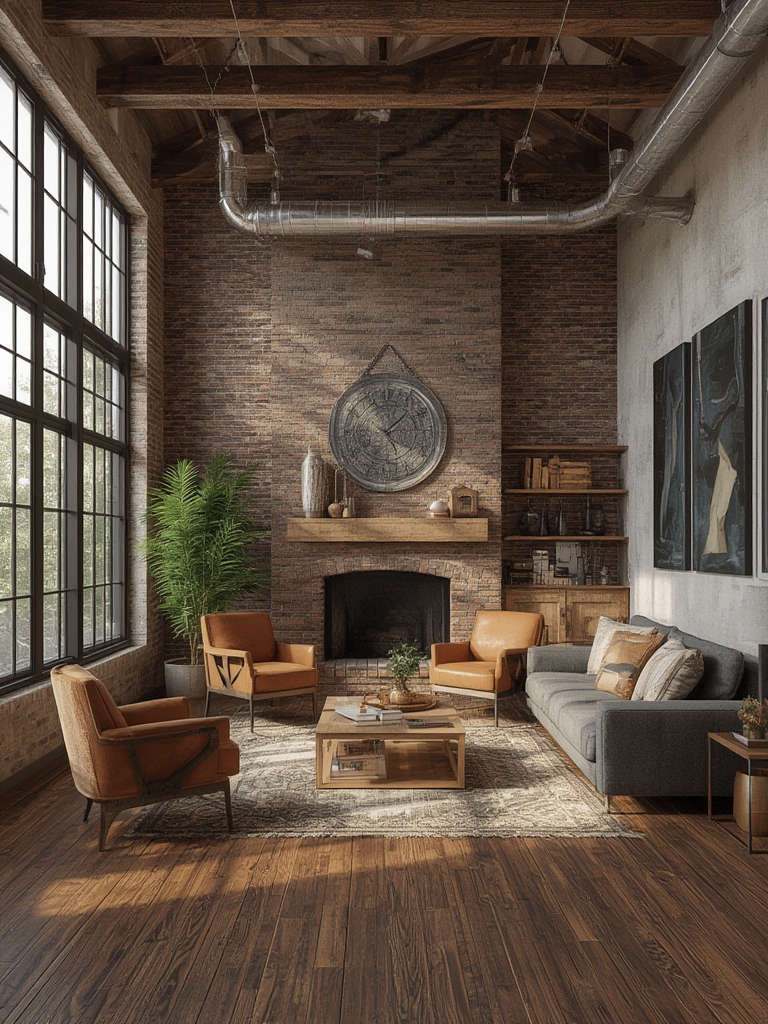
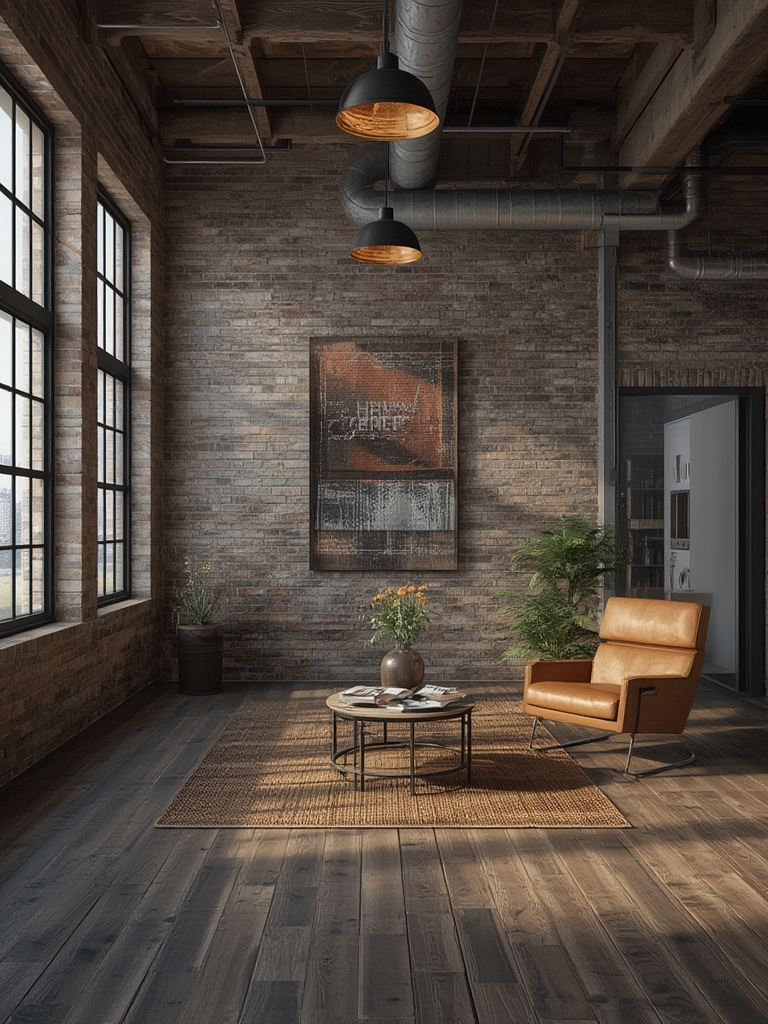
Industrial home interior design blends raw, utilitarian elements with modern comfort, creating spaces that feel both edgy and inviting. By leveraging exposed brick, reclaimed wood, metal fixtures, and a neutral color palette, homeowners can achieve a look that’s timeless yet contemporary. Below is a data‑driven, step‑by‑step guide that walks you through planning, sourcing, and executing an industrial interior that not only ranks well in search engines but also delivers a cohesive, livable environment.
Step 1: Define the Industrial Aesthetic with Data‑Backed Inspiration
Start by researching the most popular industrial design trends using tools like Google Trends, Pinterest analytics, and interior design forums. Look for high‑performing keywords such as “exposed brick walls,” “metal pipe lighting,” and “reclaimed wood furniture.” Incorporate these terms naturally throughout your content to boost SEO.
Practical Tips
- Keyword Mapping: Create a spreadsheet mapping each design element to its top‑ranking keywords. This ensures you cover all SEO opportunities.
- Visual Mood Board: Use Canva or Milanote to compile images from the Cozyaura Home gallery and other sources. Tag each image with the corresponding keyword for easy reference.
- Room Assessment: Measure your space and note existing features (e.g., ceiling height, natural light). This data will guide which industrial elements will work best.
Step 2: Choose Core Materials and Color Palette
Industrial interiors rely on a restrained color scheme—typically shades of gray, black, white, and muted earth tones—paired with raw materials like steel, concrete, and reclaimed wood. According to a recent Houzz survey, 68% of homeowners who adopted an industrial style chose a neutral base, while 45% added a single bold accent color.
Actionable Advice
- Paint Selection: Opt for matte finishes in charcoal or slate gray for walls. Use a high‑quality primer to ensure durability.
- Flooring: Install polished concrete or reclaimed wood planks. If budget is a concern, consider concrete-look laminate that mimics the texture at a lower cost.
- Accent Elements: Introduce a pop of rust orange or deep navy through pillows, rugs, or a statement wall. This creates visual interest without overwhelming the industrial vibe.
Step 3: Incorporate Signature Industrial Fixtures
Lighting, hardware, and furniture are the heart of industrial design. Data from Home Depot’s sales reports shows a 32% increase in demand for metal pendant lights and a 27% rise in reclaimed wood tables over the past year.
Implementation Steps
- Lighting: Hang oversized metal pipe pendant lights above the kitchen island or living area. Choose LED bulbs with a warm 2700K temperature to soften the rawness.
- Furniture: Select pieces with a mix of metal frames and wooden tops. A reclaimed wood coffee table paired with a steel-frame sofa balances comfort and industrial edge.
- Hardware: Replace standard cabinet knobs with brushed steel or black iron handles. These small details reinforce the overall theme.
Step 4: Add Textures and Greenery for Warmth
While the industrial look is inherently stark, adding texture and plants prevents the space from feeling cold. A study by the University of Michigan found that indoor plants can increase perceived comfort by up to 15% in minimalist interiors.
Tips for Success
- Rugs: Lay a distressed jute or wool rug to soften concrete floors and add acoustic dampening.
- Throw Pillows & Blankets: Choose fabrics like linen or leather in muted tones to introduce tactile contrast.
- Plants: Opt for low‑maintenance varieties such as snake plant, ZZ plant, or pothos. Place them in metal or concrete planters to maintain the industrial aesthetic.
Step 5: Optimize for SEO and User Experience
Once your design is complete, ensure the blog post itself follows SEO best practices so readers can discover your guide easily. Use the following checklist:
SEO Checklist
- Meta Title & Description: Include primary keywords (“industrial home interior,” “industrial design tips”) within 60 characters for the title and 155 characters for the description.
- Header Structure: Use H2 for main sections and H3 for sub‑steps, as demonstrated above. This hierarchy helps search engines understand content flow.
- Internal Linking: Link to related posts on your site, such as “How to Choose Industrial Lighting” or “Top 10 Reclaimed Wood Furniture Pieces.”
- Image Optimization: Compress images from the source site, add descriptive alt text (e.g., “exposed brick wall with metal pendant lighting”), and use descriptive file names.
- Schema Markup: Implement
Articleschema to enhance search result appearance.
Step 6: Maintain and Evolve Your Industrial Space
Industrial interiors age gracefully, but regular upkeep ensures they remain fresh. Track maintenance tasks in a simple spreadsheet: cleaning schedule, fixture checks, and seasonal decor updates.
Actionable Maintenance Tips
- Dust Metal Surfaces: Use a microfiber cloth weekly to prevent buildup that can dull the finish.
- Seal Wood Elements: Reapply a clear sealant to reclaimed wood furniture every 12 months to protect against wear.
- Refresh Lighting: Replace LED bulbs annually to maintain consistent warmth and energy efficiency.
- Seasonal Accents: Swap out pillows or artwork each season to keep the space dynamic without overhauling the core design.
By following these data‑driven steps, you’ll create an industrial home interior that balances raw authenticity with modern comfort, while also positioning your blog post for strong organic traffic. Remember, the key lies in thoughtful material selection, strategic SEO implementation, and ongoing care—ensuring your space looks stunning today and continues to inspire tomorrow.