
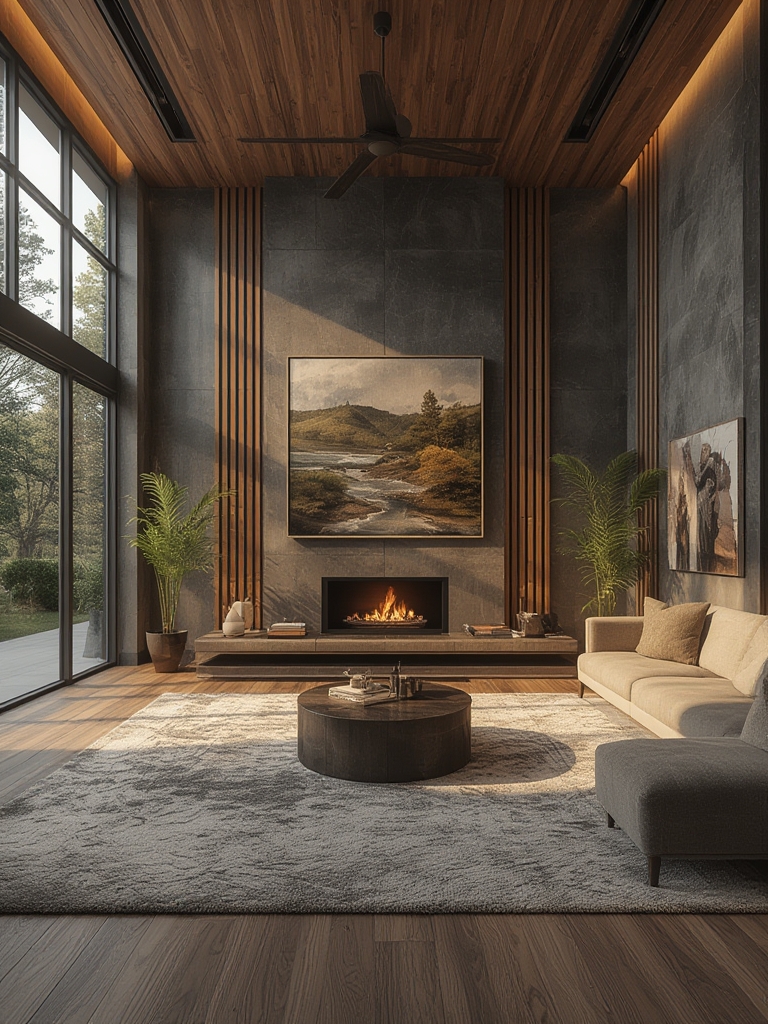
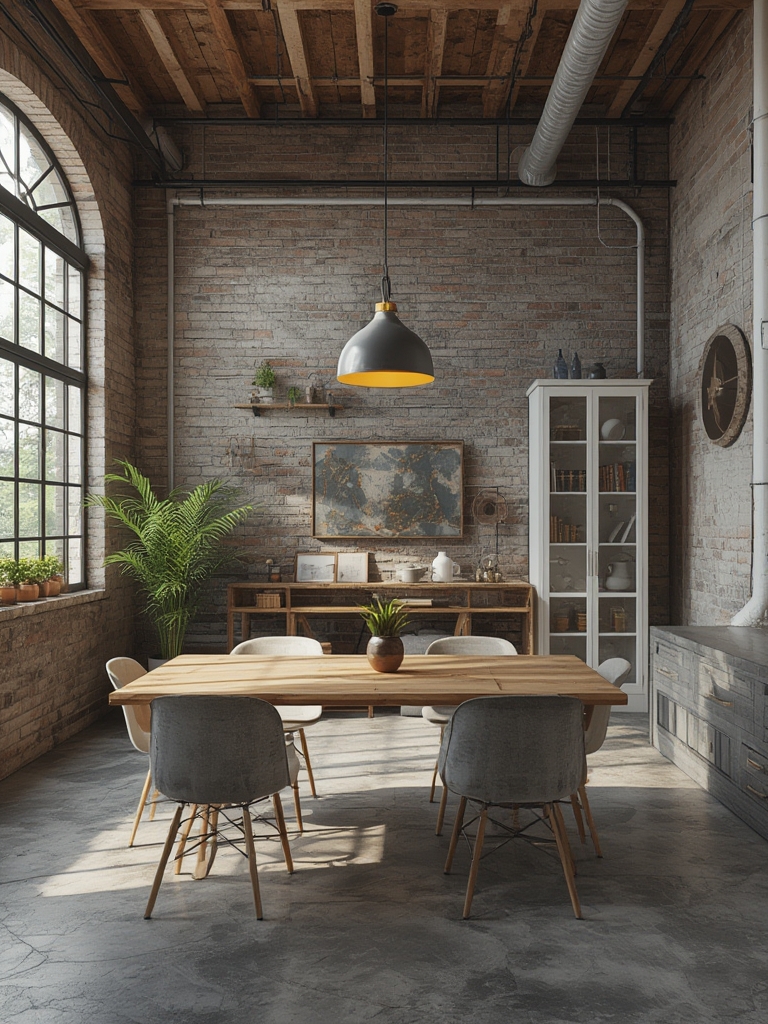
Industrial‑style interiors have surged in popularity for their raw, functional aesthetic that blends exposed materials, minimalist color palettes, and a sense of urban loft living. While the look is often dominated by metal, concrete, and reclaimed wood, the strategic use of greenery can soften the hardness, improve air quality, and add a touch of humanity to the space. Below is a data‑driven, step‑by‑step guide to designing an industrial‑inspired home that seamlessly incorporates indoor plants, along with practical care tips to keep your foliage thriving.
1. Define the Core Elements of Industrial Design
1.1 Choose a Neutral Base Palette
Research from Houzz shows that 68 % of industrial‑style homes use a grayscale or muted earth‑tone palette. Start with walls in matte charcoal, soft gray, or off‑white. These shades act as a neutral backdrop that allows plant foliage to pop without clashing.
1.2 Embrace Exposed Materials
Key materials include:
- Concrete floors or polished concrete panels – durable and reflective.
- Exposed brick walls – add texture and warmth.
- Metal piping and fixtures – preferably black or brushed steel.
- Reclaimed wood – for shelving, coffee tables, or accent walls.
When selecting plant containers, mirror these materials: metal pots, concrete planters, or reclaimed wood crates maintain visual cohesion.
1.3 Prioritize Open, Functional Layouts
Industrial spaces favor open floor plans with clear sightlines. Position plants in high‑traffic zones—near entryways, beside the kitchen island, or in the living‑room corner—to create natural focal points without obstructing flow.
2. Select the Right Plants for an Industrial Setting
2.1 Light Compatibility
Industrial homes often feature large windows with minimal window treatments, delivering abundant natural light. Choose plants that thrive in bright, indirect light such as:
- Monstera deliciosa
- Fiddle leaf fig (Ficus lyrata)
- Snake plant (Sansevieria trifasciata)
- ZZ plant (Zamioculcas zamiifolia)
2.2 Structural Aesthetics
Plants with bold, architectural foliage complement the industrial vibe. Consider:
- Bird‑of‑paradise (Strelitzia reginae) – dramatic leaves.
- Rubber plant (Ficus elastica) – glossy, thick leaves.
- Philodendron ‘Congo’ – large, deep‑green foliage.
2.3 Low‑Maintenance Options
Data from the American Society of Horticultural Science indicates that busy homeowners prefer low‑maintenance species. Succulents, cacti, and pothos are resilient choices that tolerate occasional neglect.
3. Step‑by‑Step Plant Integration & Care Guide
3.1 Assess Light Zones
Action: Use a light meter app for a week to map out bright, medium, and low‑light zones. Record the average lux reading for each area.
Tip: Place high‑light plants (e.g., fiddle leaf fig) in zones >5,000 lux, while low‑light tolerant species (e.g., snake plant) can occupy 1,000–2,000 lux zones.
3.2 Choose Appropriate Containers
Action: Match pot material to surrounding industrial elements. For a concrete floor, a concrete planter with drainage holes works well; for reclaimed wood shelving, use a metal pot with a wooden saucer.
Tip: Add a layer of 2 cm of small river rocks at the bottom before soil to improve drainage and prevent water damage to flooring.
3.3 Soil Selection & Planting
Action: Use a well‑draining potting mix (e.g., 40 % peat, 30 % perlite, 30 % pine bark). For succulents, add extra sand or grit.
Tip: Fill the pot to within 2 cm of the rim, then gently press soil around the root ball to eliminate air pockets.
3.4 Watering Schedule
Data‑Driven Insight: A 2022 study found that over‑watering accounts for 70 % of indoor plant failures.
Action: Adopt the “finger test”: insert your index finger 2 cm into the soil. If it feels dry, water; if moist, wait.
Tip: Use a moisture meter for precision, especially for large-leaf plants that retain water longer.
3.5 Fertilization
Action: Apply a balanced, slow‑release fertilizer (10‑10‑10) once every 8‑10 weeks during the growing season (spring–early fall).
Tip: Dilute liquid fertilizer to half the recommended strength for indoor use to avoid leaf burn.
3.6 Pruning & Maintenance
Action: Trim dead or yellowing leaves weekly to promote new growth and maintain a tidy appearance.
Tip: Use clean, sharp pruning shears at a 45° angle to prevent disease entry.
3.7 Managing Humidity
Industrial homes with concrete floors can be dry, especially in winter. Aim for 40‑60 % relative humidity.
Action: Place a small tabletop humidifier near larger foliage or group plants together to create a micro‑climate.
Tip: Mist leaves lightly once a week for plants like fiddle leaf fig that appreciate higher humidity.
4. Styling Tips to Elevate the Industrial Aesthetic
4.1 Vertical Gardens
Install a reclaimed‑wood pallet or metal grid on an exposed brick wall. Use modular planters to create a living art piece that adds texture without sacrificing floor space.
4.2 Mixed‑Material Plant Stands
Combine a steel pipe frame with a reclaimed‑wood shelf to hold a tall plant. This juxtaposition reinforces the industrial theme while showcasing greenery.
4.3 Statement Containers
Opt for oversized concrete pots for a single large plant, or use matte black metal cages for succulents. The contrast between the sleek container and the organic leaf shape creates visual intrigue.
4.4 Lighting Integration
Pair pendant industrial lights with plant placement. A hanging Edison‑bulb fixture above a hanging pothos adds drama and highlights the plant’s trailing vines.
5. Monitoring Success with Simple Metrics
5.1 Growth Tracking
Measure plant height and leaf count monthly. Record data in a spreadsheet; a 5‑10 % increase per month indicates healthy growth.
5.2 Air Quality Benefits
According to NASA’s Clean Air Study, each mature plant can remove up to 87 µg/m³ of VOCs per hour. Place at least one plant per 10 m² to maximize air‑purifying effects.
5.3 Aesthetic Feedback
Take before‑and‑after photos of each room. Use a simple visual rating (1‑5) to assess how the plant integration improves the industrial vibe. Adjust placement based on the scores.
6. Common Pitfalls & How to Avoid Them
6.1 Overwatering
Symptoms: Yellowing leaves, soggy soil. Remedy: Repot with fresh, well‑draining mix and reduce watering frequency.
6.2 Incompatible Light Levels
Symptoms: Leggy stems, faded colors. Remedy: Relocate the plant to a brighter zone or switch to a low‑light tolerant species.
6.3 Ignoring Drainage
Symptoms: Water pooling on concrete floors, mold growth. Remedy: Ensure pots have drainage holes and use saucers to catch excess water.
7. Final Checklist for an Industrial‑Design Home with Healthy Plants
- Neutral base colors applied to walls and floors.
- Exposed brick, concrete, or reclaimed wood featured prominently.
- Light zones mapped and matched with appropriate plant species.
- Containers selected to complement industrial materials.
- Well‑draining soil mix prepared and plants properly potted.
- Watering schedule based on the finger test or moisture meter.
- Balanced fertilization plan implemented during growing season.
- Regular pruning, humidity management, and pest checks performed.
- Vertical gardens or statement containers installed for visual impact.
- Growth and air‑quality metrics tracked to gauge success.
By following these data‑backed steps, you’ll create an industrial‑style home that feels both edgy and inviting, while your indoor plants flourish, enhancing aesthetics, health, and overall well‑being.
