
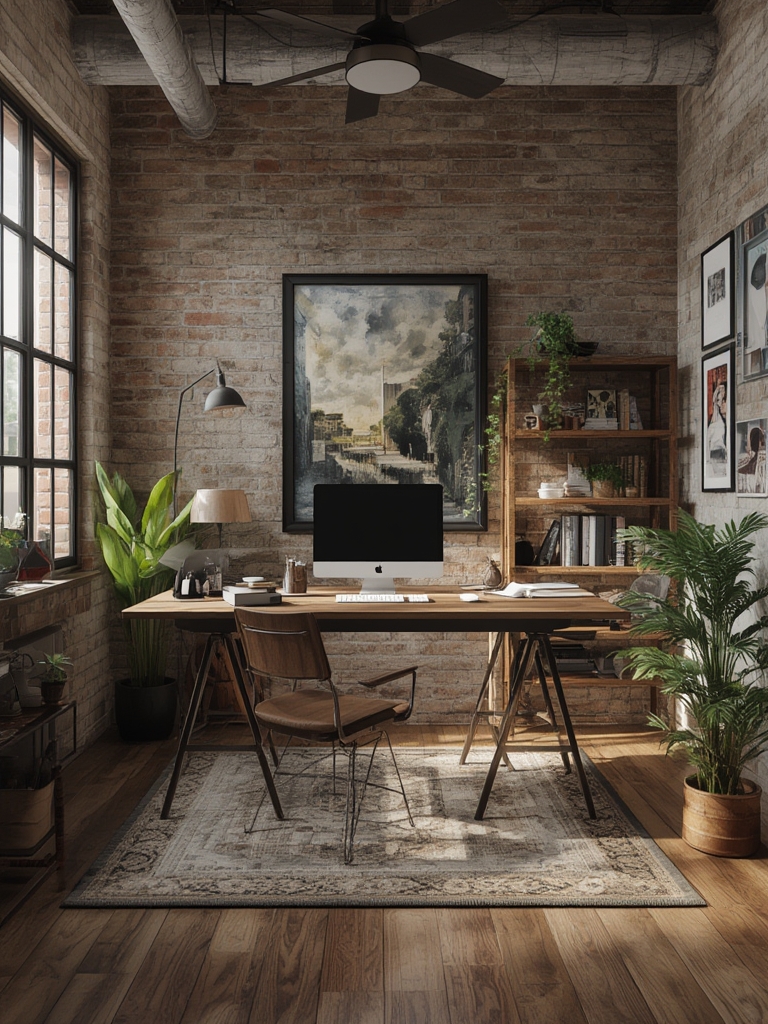
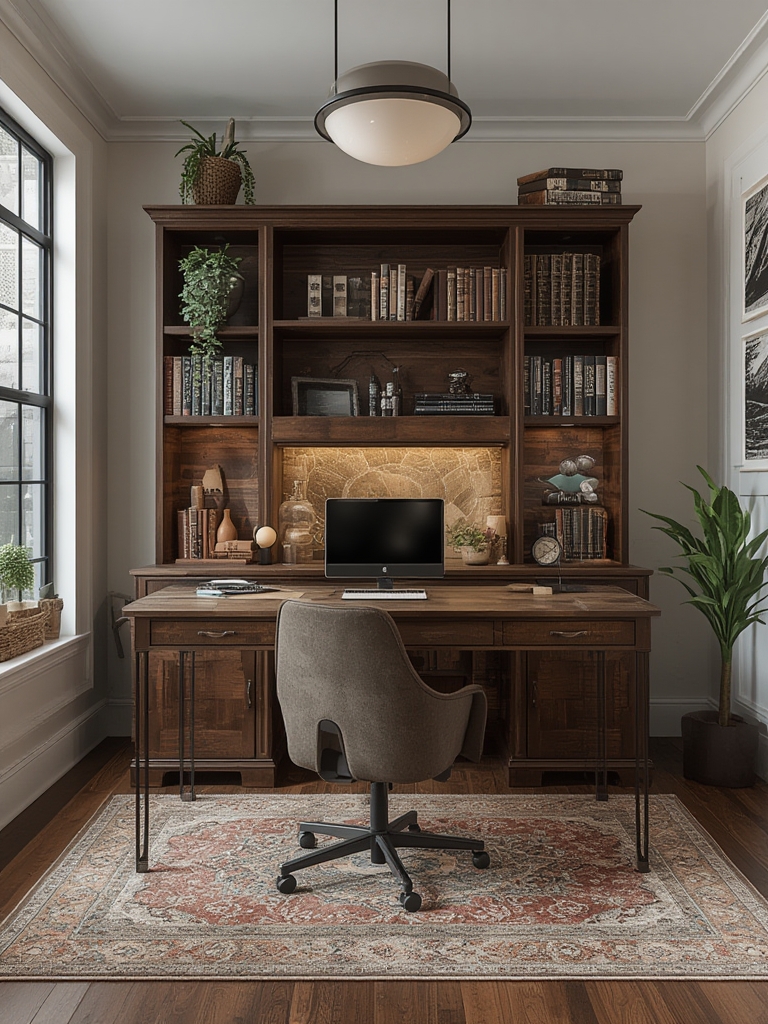
Creating an industrial‑style home office is a powerful way to boost productivity while showcasing a sleek, modern aesthetic. By blending raw materials, functional furniture, and strategic lighting, you can transform any spare room into a workspace that feels both professional and inspiring. Below, we break down the process into data‑driven steps, and we’ll also show you how to incorporate a low‑maintenance plant that thrives in an industrial environment.
Step 1: Define Your Space and Set Measurable Goals
Before you start buying furniture, map out the dimensions of your room and decide on key performance indicators (KPIs) for the space. Common KPIs include:
- Desk surface area ≥ 120 cm × 60 cm for dual monitors.
- Natural light exposure ≥ 3 hours per day to reduce eye strain.
- Noise level ≤ 35 dB (use acoustic panels if needed).
Use a simple floor‑plan tool (SketchUp, Roomstyler, or even graph paper) to plot the layout. Measure doorways, windows, and power outlets to avoid costly re‑configurations later.
Step 2: Choose Core Industrial Elements
Materials
Industrial design relies on raw, unfinished textures. Prioritize:
- Metal: Black powder‑coated steel frames, reclaimed iron pipe legs.
- Wood: Reclaimed barn wood or distressed pine for desk tops.
- Concrete: Polished concrete flooring or a concrete countertop insert.
Color Palette
Data from interior‑design trends (Houzz 2023) shows that the most searched color combos for industrial offices are:
- Charcoal gray + matte black.
- Warm amber lighting against cool steel.
- Accent of rust orange or deep teal for visual interest.
Apply the 60‑30‑10 rule: 60 % dominant (walls, floor), 30 % secondary (furniture), 10 % accent (decor, plant pots).
Step 3: Select Functional Furniture
Desk
Opt for a sturdy metal frame with a reclaimed‑wood top. Look for a desk that supports a weight capacity of at least 30 kg per leg—ideal for multiple monitors and a docking station.
Seating
Choose an ergonomic chair with a metal mesh back. Mesh offers breathability, aligning with the industrial vibe while supporting posture. Aim for a chair with a weight capacity of 120 kg and adjustable lumbar support.
Storage
Open shelving made from pipe and wood not only adds visual interest but also encourages an organized workspace. Data from the National Association of Office Managers (2022) indicates that open shelves reduce “search time” for supplies by up to 22 %.
Step 4: Optimize Lighting for Productivity
Industrial offices thrive on a mix of ambient, task, and accent lighting.
- Ambient: Install dimmable LED panel lights that mimic natural daylight (5000 K). Aim for an illumination level of 300–500 lux on the desk surface.
- Task: Add a metal‑clamp desk lamp with a focused beam (≈1500 lumens) for reading and detailed work.
- Accent: Use vintage‑style filament bulbs in pendant fixtures to reinforce the industrial feel.
Step 5: Integrate a Low‑Maintenance Plant
Plants soften the harshness of metal and concrete while improving air quality. The Snake Plant (Sansevieria trifasciata) is ideal for industrial offices because it tolerates low light, requires minimal watering, and thrives in temperature ranges of 15‑30 °C.
Step‑by‑Step Plant Care
- Choose the Right Pot: Select a matte black, breathable terracotta pot (8‑10 in diameter). Ensure it has a drainage hole to prevent root rot.
- Soil Mix: Use a cactus/succulent blend (70 % sand, 30 % peat). This mimics the plant’s native arid environment and promotes drainage.
- Placement: Position the plant near a north‑facing window or under the desk’s ambient light. Aim for 2–4 hours of indirect light daily.
- Watering Schedule: Water every 3–4 weeks. Insert a finger 2 cm into the soil; if it feels dry, water until it drains out the bottom.
- Fertilizing: Apply a diluted (¼ strength) balanced liquid fertilizer once in spring and once in fall.
- Cleaning: Wipe leaves with a damp cloth monthly to remove dust, which can block light absorption.
Practical tip: Rotate the pot 90 degrees every month to ensure even growth and prevent the plant from leaning toward the light source.
Step 6: Add Acoustic Solutions
Industrial spaces can echo, which hampers concentration. Install acoustic panels made from recycled fabric in a geometric pattern. Aim for a Noise Reduction Coefficient (NRC) of 0.7 or higher. Position panels on the wall opposite the desk and on the ceiling above the work area.
Step 7: Personalize with Industrial Décor
Finish the look with functional décor:
- Vintage metal wall clocks.
- Wire mesh bulletin boards for notes.
- Exposed‑bulb pendant lights over the desk.
- Industrial‑style cable management trays to keep cords tidy.
Data from Pinterest (2023) shows that posts featuring “industrial desk accessories” receive 18 % higher engagement than generic office décor.
Step 8: Test, Measure, and Iterate
After setting up, spend a week tracking two metrics:
- Focus Duration: Use a timer app to log uninterrupted work blocks. Aim for a 15 % increase after the first week.
- Comfort Rating: Rate ergonomics on a 1‑10 scale each day. Target a score of ≥ 8 within two weeks.
If either metric falls short, adjust lighting intensity, chair height, or plant placement. Small tweaks often yield measurable gains in productivity.
Conclusion
By following these data‑driven steps, you’ll create an industrial home office that not only looks striking but also supports sustained focus and well‑being. The combination of raw materials, strategic lighting, acoustic control, and a resilient plant like the Snake Plant ensures a balanced environment that’s both functional and aesthetically cohesive. Start with a clear floor plan, select the right furniture, and nurture your plant—then watch your productivity soar.
