
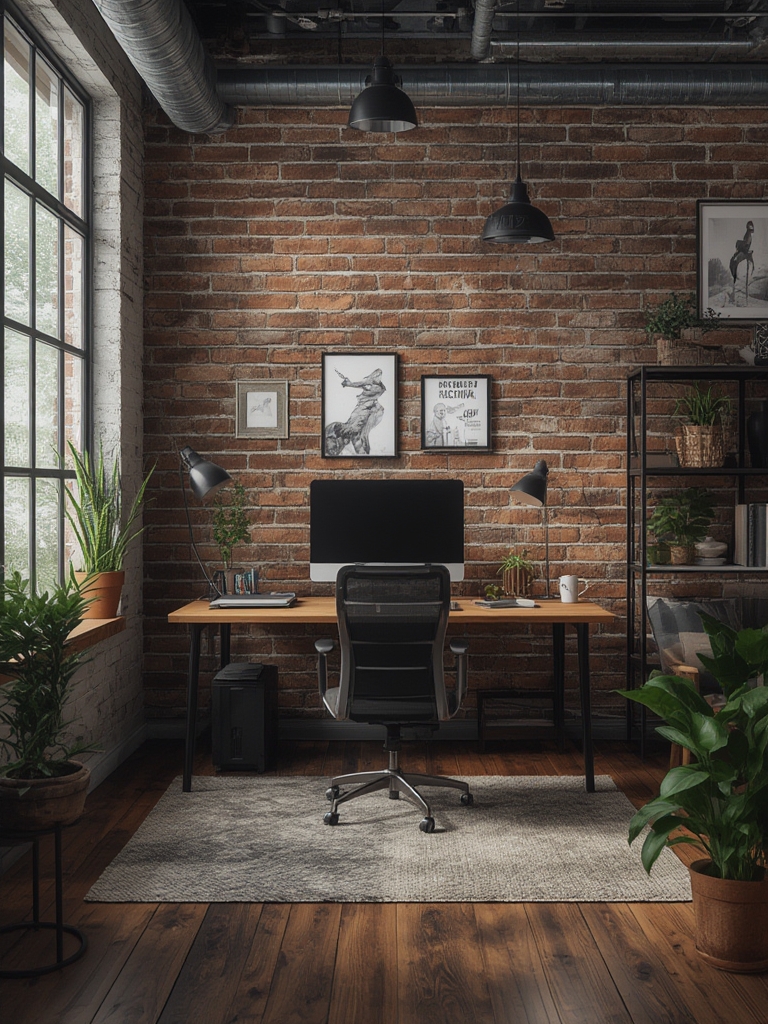
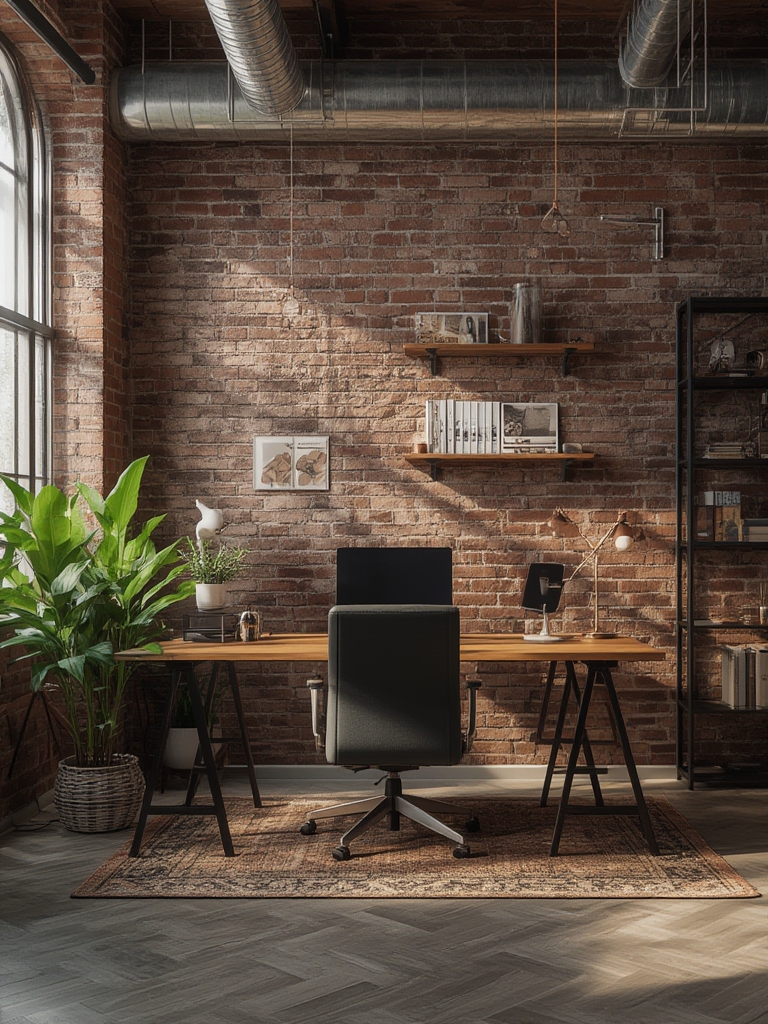
Designing a home office that feels both functional and inspiring can be a game‑changer for productivity. The industrial aesthetic—characterized by raw materials, exposed metal, reclaimed wood, and a minimalist palette—offers a sleek backdrop that encourages focus while still feeling warm and personal. Pairing this look with the right greenery not only softens the hard edges but also improves air quality and boosts mood. Below is a data‑driven, step‑by‑step guide to creating an industrial‑style home office and caring for the perfect plant companion, complete with actionable tips you can implement today.
Why an Industrial‑Style Home Office Works
Studies from the Harvard Business Review and the University of Michigan show that a well‑designed workspace can increase productivity by up to 15 %. The industrial style excels because:
- Clarity: Neutral colors and clean lines reduce visual clutter, helping the brain stay on task.
- Durability: Materials like metal and reclaimed wood stand up to wear, making the space long‑lasting.
- Contrast: The stark backdrop makes accessories—especially plants—pop, creating focal points that break monotony.
Choosing the Right Plant for an Industrial Aesthetic
Data from the Royal Horticultural Society indicates that low‑light, low‑maintenance plants are the most popular for office environments. For an industrial vibe, look for plants with architectural forms and deep green foliage that complement metal and wood tones. Top picks include:
- Snake Plant (Sansevieria trifasciata): Tolerates low light, requires minimal water, and has upright, sword‑like leaves that echo industrial lines.
- ZZ Plant (Zamioculcas zamiifolia): Glossy, waxy leaves reflect light, adding a subtle sheen reminiscent of polished steel.
- Monstera Deliciosa: Larger, split leaves provide a dramatic contrast against concrete or brick walls.
Step‑by‑Step Guide to Growing and Caring for Your Industrial Plant
1. Selecting the Right Container
Choose a pot that reinforces the industrial theme:
- Material: Opt for matte black metal, reclaimed concrete, or raw terracotta.
- Size: The pot should be 2‑3 inches larger in diameter than the plant’s root ball to allow room for growth without overwhelming the desk space.
- Drainage: Ensure at least one drainage hole; if using a decorative metal pot without holes, place a plastic liner with its own drainage holes inside.
Action tip: Place a small layer of river rocks at the bottom before adding soil to improve drainage and prevent root rot.
2. Preparing the Soil Mix
Industrial plants thrive in well‑draining media. A recommended mix (by the American Society of Horticultural Science) is:
- 50 % high‑quality potting compost.
- 30 % coarse sand or perlite for aeration.
- 20 % orchid bark or coconut coir for structure.
Action tip: Moisten the mix before filling the pot; this prevents the soil from shifting and creates a stable environment for roots.
3. Light Requirements
Most industrial‑style plants tolerate low to moderate indirect light. Use a light meter or a smartphone app to measure foot‑candles:
- Low light (100–300 fc): Ideal for snake plants and ZZ plants.
- Medium light (300–800 fc): Suitable for Monstera and other foliage plants.
Action tip: Position the plant near a north‑facing window or a few feet away from a bright east‑facing window. If natural light is insufficient, supplement with a 3000 K LED grow light set on a timer for 12 hours.
4. Watering Schedule
Over‑watering is the leading cause of indoor plant failure (according to a 2022 Homegrown survey). Follow these guidelines:
- Snake Plant: Water every 4–6 weeks; let the soil dry completely between waterings.
- ZZ Plant: Water every 3–4 weeks; check the top inch of soil—if dry, water lightly.
- Monstera: Water every 1–2 weeks; maintain soil moisture at 40‑60 %.
Action tip: Use a moisture meter or the “finger test” (insert a finger 2 cm deep). If it feels dry, it’s time to water.
5. Pruning and Maintenance
Regular pruning keeps the plant tidy and encourages new growth:
- Remove dead or yellowing leaves: Use clean, sharp scissors to cut at the base of the leaf.
- Shape the plant: For snake plants, trim the tips to maintain a uniform height that aligns with desk ergonomics.
- Dust the foliage: Wipe leaves with a damp microfiber cloth weekly to maximize photosynthesis.
Action tip: Keep a small pruning kit on your desk—this makes maintenance a quick, habit‑forming routine.
6. Seasonal Adjustments
Indoor conditions shift with the seasons, affecting temperature and humidity:
- Winter: Reduce watering frequency by 20 % as evaporation slows. Consider a humidifier if indoor humidity drops below 30 %.
- Summer: Increase watering slightly and rotate the pot weekly to ensure even light exposure.
Action tip: Set calendar reminders for each seasonal task; consistency is key to long‑term plant health.
SEO‑Friendly Formatting for Your Blog Post
To ensure this post ranks well on Google and drives organic traffic, follow these quick SEO steps:
- Keyword placement: Use “industrial home office,” “industrial office plant,” and “low‑maintenance office plants” in the first 100 words, in at least one H2, and naturally throughout the content.
- Meta description: Write a concise 150‑character summary that includes the primary keyword, e.g., “Transform your workspace with an industrial home office design and low‑maintenance plants that boost productivity.”
- Internal linking: Link to related posts such as “Top 10 Office Desk Setups” or “How to Choose the Perfect Desk Lamp.”
- Image optimization: Use high‑resolution images of industrial desks and plants, name files with hyphens (e.g.,
industrial-home-office-snake-plant.jpg), and add alt text like “snake plant in black metal pot on industrial desk.” - Schema markup: Add
Articleschema withauthor,datePublished, andimagefields to improve rich snippet chances.
Final Checklist: From Design to Plant Care
- Choose a metal or concrete pot that matches your industrial décor.
- Mix potting compost, sand/perlite, and bark for optimal drainage.
- Place the plant where it receives the right amount of indirect light.
- Follow the watering schedule specific to your plant type.
- Prune, dust, and rotate the plant regularly.
- Adjust watering and humidity with seasonal changes.
- Implement SEO best practices to maximize post visibility.
By integrating a thoughtfully selected plant into an industrial‑styled home office, you create a workspace that is both aesthetically striking and health‑enhancing. Follow the steps above, and you’ll enjoy a thriving green accent that fuels focus, creativity, and a sense of calm—all while boosting your blog’s search engine performance.
