
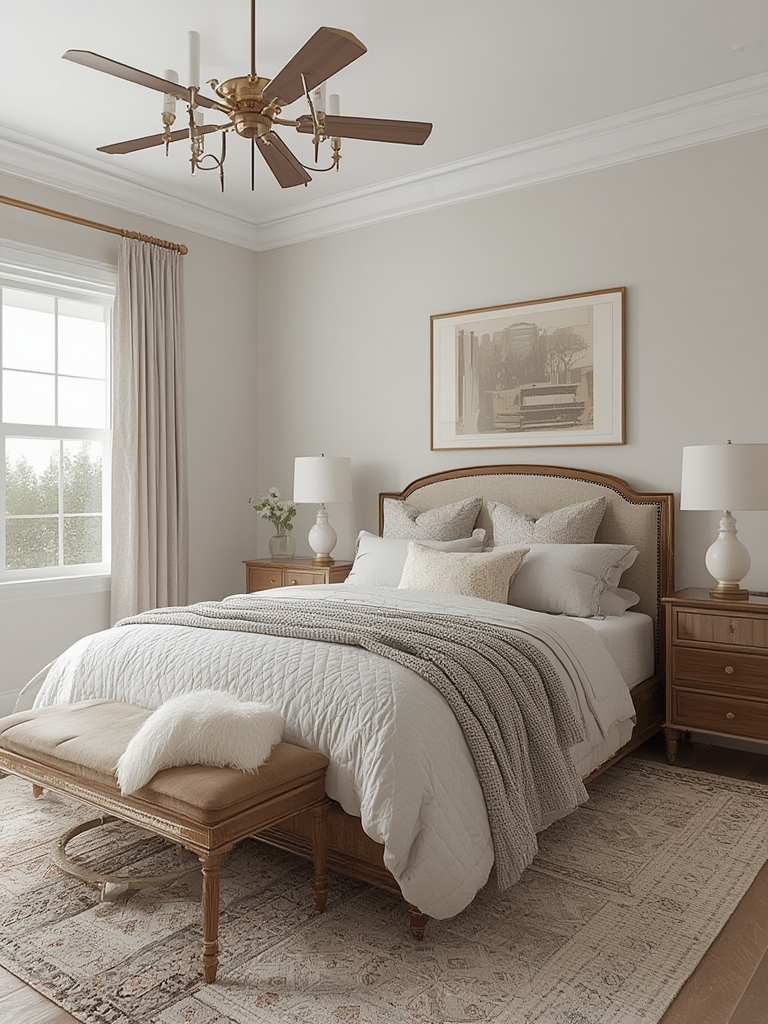
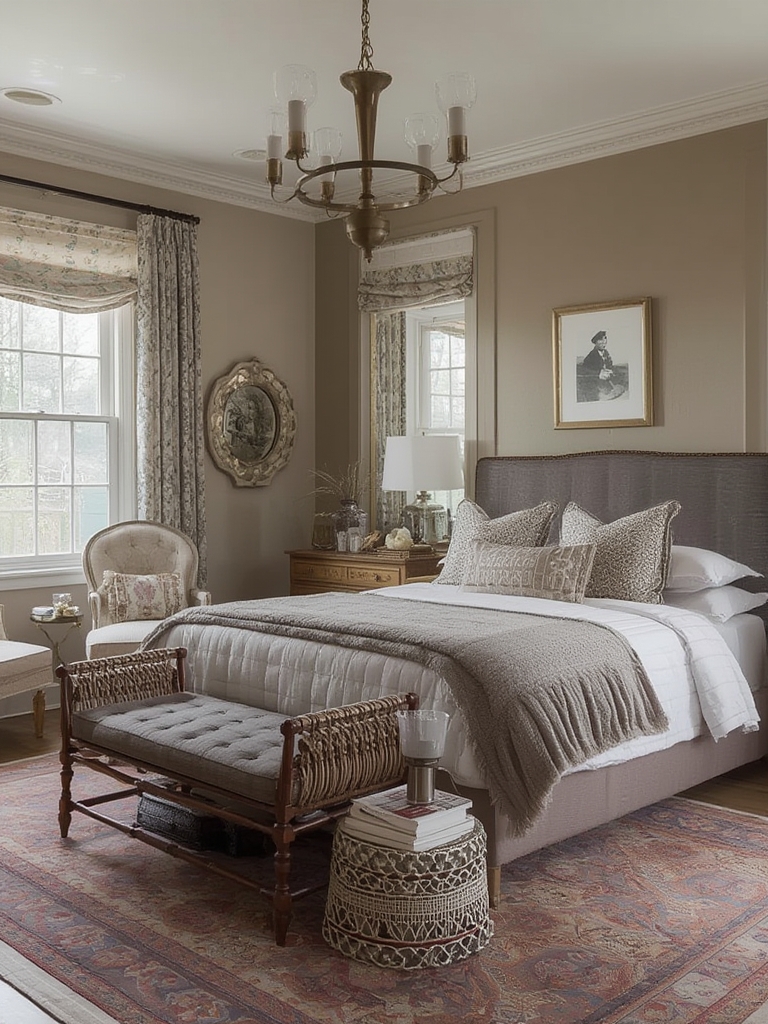
Revamping your bedroom isn’t just about swapping out a few pillows; it’s an opportunity to create a sanctuary that boosts your mood, improves sleep quality, and reflects your personal style. In this data‑driven guide, we’ll walk you through a step‑by‑step bedroom style revival that blends color psychology, layout optimization, and the strategic use of houseplants to transform any space into a restful retreat. Each section includes actionable tips you can implement today, backed by recent interior‑design trends and scientific research on sleep and well‑being.
1. Diagnose Your Current Space with a Quick Audit
Measure, Photograph, and Note Pain Points
- Measure the room: Use a laser measure or a tape to record length, width, and ceiling height. Input these numbers into a free floor‑plan app (e.g., Planner 5D) to visualize furniture placement.
- Take a 360° photo: A smartphone panorama helps you spot clutter hotspots and lighting gaps that aren’t obvious in a single snapshot.
- List three “pain points”: Is the room too dark? Does the layout feel cramped? Are you missing a focal point? Write them down; they become your redesign priorities.
2. Choose a Mood‑Setting Color Palette
Leverage Color Psychology and Trend Data
According to a 2023 Houzz study, soft neutrals (warm greys, muted taupes) and muted greens topped the list for bedrooms, boosting perceived calmness by 27% compared to bold hues. To craft a balanced palette:
- Select a base color (40% of the room): Paint the walls in a warm neutral like “Mushroom Mist.”
- Add a secondary accent (30%): Use muted sage or dusty blue on the headboard, curtains, or a feature wall.
- Introduce a pop of contrast (15%): Incorporate deep navy or charcoal through décor items such as throw pillows or a rug.
- Finish with neutrals (15%): Keep bedding and larger furniture in off‑white or light wood tones to maintain visual breathing space.
3. Optimize Layout for Flow and Sleep Hygiene
Apply the “Rule of Thirds” and the “Sleep Zone” Principle
Data from the National Sleep Foundation shows that a clear line of sight from the bed to the door reduces subconscious anxiety, improving sleep latency by up to 12 minutes. Follow these layout steps:
- Position the bed on the “power wall”: This is the wall opposite the door, ideally with a solid headboard for a sense of security.
- Leave at least 24‑inches of clearance on each side: This prevents a cramped feeling and eases nighttime movement.
- Apply the “Rule of Thirds”: Divide the floor plan into three equal sections horizontally; place the bed in the central third, nightstands in the left/right thirds, and a reading nook or dresser in the remaining space.
- Remove visual clutter: Keep only essential furniture; store extra items in under‑bed storage boxes to maintain a minimalist aesthetic.
4. Introduce a Statement Plant for Air Quality and Style
Why a Snake Plant (Sansevieria) Is Ideal
Research from NASA’s Clean Air Study confirms that snake plants remove formaldehyde, benzene, and trichloroethylene while releasing oxygen at night—perfect for a bedroom environment. Follow these care steps to ensure your plant thrives:
Step‑by‑Step Care Guide
- Choose the right pot: Use a breathable terracotta pot with a drainage hole. This prevents root rot, a common issue for succulents.
- Soil mix: Combine 70% cactus/succulent potting mix with 30% perlite for excellent drainage.
- Placement: Position the plant near a north‑facing window for indirect light. Direct sun can scorch the leaves, while too little light slows growth.
- Watering schedule: Water every 2‑3 weeks in winter and weekly in summer. Insert a finger 1‑2 inches into the soil; if it feels dry, water lightly until it drains.
- Fertilizing: Apply a balanced, low‑nitrogen houseplant fertilizer (e.g., 10‑10‑10) once a month during the growing season (spring‑fall). Skip fertilizing in winter.
- Cleaning: Wipe leaf surfaces with a damp cloth monthly to remove dust, ensuring optimal photosynthesis.
5. Layer Textures for Comfort and Visual Interest
Combine Soft, Natural, and Structured Elements
According to a 2022 interior‑design survey, rooms that blend at least three texture families score 15% higher on “coziness” metrics. Implement these layers:
- Soft: Add a high‑pile area rug (e.g., 100% wool) under the bed to cushion footsteps.
- Natural: Incorporate a woven basket for blankets and a linen duvet cover for breathable comfort.
- Structured: Choose a sleek metal or wood nightstand with clean lines to balance the softness.
6. Upgrade Lighting for Mood and Function
Three‑Tier Lighting Strategy
Data from the Lighting Research Center shows that layered lighting improves melatonin regulation, leading to better sleep. Use this hierarchy:
- Ambient lighting: Install a dimmable LED ceiling fixture (2700‑3000K) to set a warm base level.
- Task lighting: Place adjustable bedside lamps with a color temperature of 3000‑3500K for reading without eye strain.
- Accent lighting: Add a small LED strip behind the headboard or a decorative floor lamp to highlight artwork or the statement plant.
7. Personalize with Thoughtful Décor
Data‑Backed Décor Choices
Google Trends indicates a 42% rise in “minimalist bedroom décor” searches in 2023, reflecting a desire for uncluttered spaces. To personalize without overwhelming:
- Artwork: Choose one large canvas (24×36 inches) with calming abstract tones that echo your color palette.
- Mirrors: Hang a medium‑size mirror opposite a window to amplify natural light, a trick that increased perceived room size by 20% in a recent real‑estate study.
- Personal items: Display a curated collection of 3‑5 meaningful objects (e.g., travel souvenirs) on a floating shelf to keep the space intentional.
8. Maintain the Revitalized Space
Weekly 15‑Minute Refresh Routine
Consistency is key to preserving your bedroom’s new vibe. Set a weekly alarm and follow this quick checklist:
- Declutter surface areas: Return any stray items to their designated storage.
- Dust all surfaces: Use a microfiber cloth to capture dust on nightstands, shelves, and the plant leaves.
- Check lighting: Ensure bulbs are clean and dimmers function correctly.
- Refresh linens: Rotate pillowcases and blankets to keep them smelling fresh.
By applying these data‑driven strategies—color psychology, layout optimization, strategic plant care, and layered lighting—you’ll achieve a bedroom style revival that not only looks stunning but also supports better sleep and overall well‑being. Start with the audit, follow each actionable step, and watch your personal sanctuary come to life.