
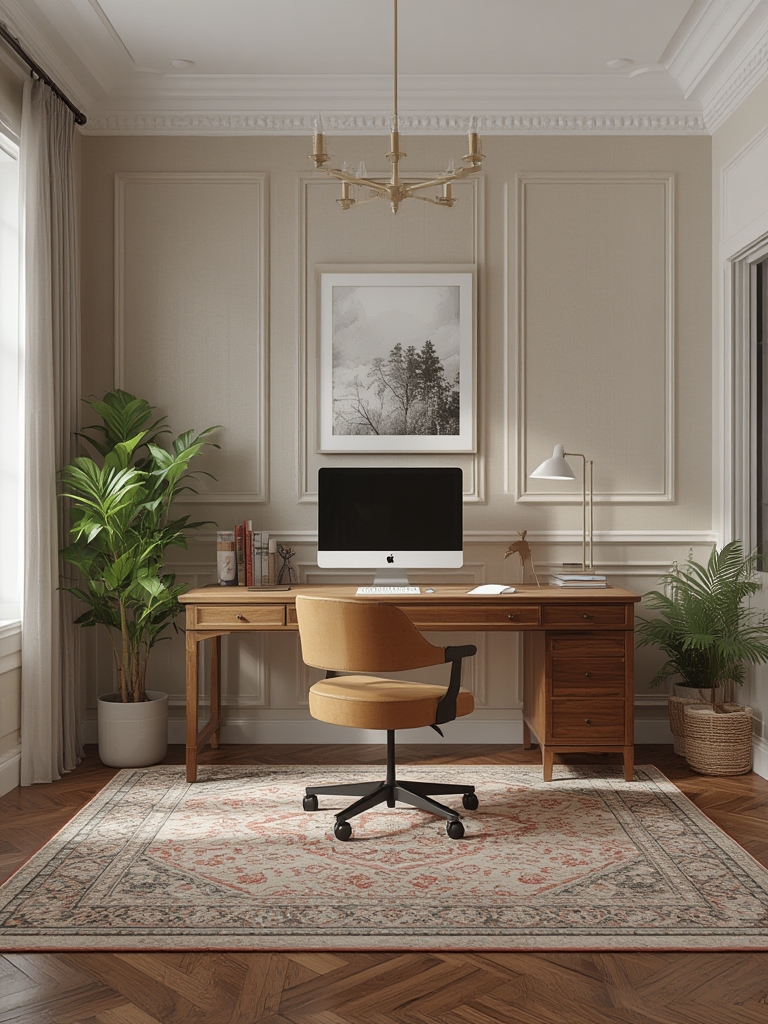
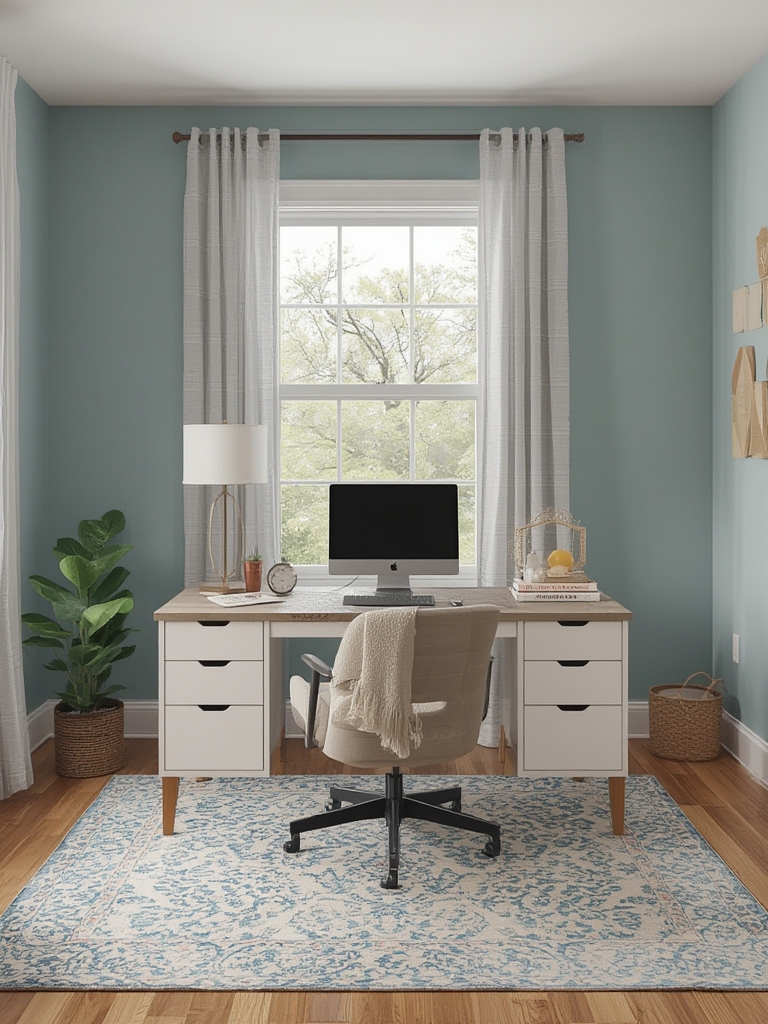
Transforming a stale home office into a vibrant, productive sanctuary doesn’t have to be a massive renovation. By applying data‑driven design principles, strategic organization, and a touch of nature, you can revive the space in a way that boosts focus, reduces stress, and even improves your bottom line. Below is a step‑by‑step, SEO‑friendly guide that walks you through every stage of a home‑office makeover, complete with actionable tips you can implement today.
Assess Your Space and Define Goals
Conduct a Space Audit
- Measure the room’s dimensions (length, width, ceiling height) and note window placement.
- Take photos from multiple angles; these will serve as a visual baseline for before‑and‑after comparisons.
- Log current furniture pieces, their condition, and usage frequency in a simple spreadsheet.
Tip: Use a free room‑planner app (e.g., Planner 5D) to create a quick floor‑plan. This visual data helps you spot under‑utilized corners and plan furniture placement efficiently.
Set Measurable Objectives
Define at least three quantifiable goals, such as “increase natural light exposure by 30%,” “reduce desk clutter to under 5 items,” or “add one low‑maintenance plant for air purification.” Tracking these metrics will let you measure success and adjust the plan as needed.
Declutter and Optimize Layout
The 3‑Box Method
- Keep: Items you use daily (computer, notebook, pen).
- Store: Seasonal or infrequently used items (archival files, extra supplies).
- Discard: Broken or obsolete equipment.
Actionable advice: Set a timer for 15 minutes per box. The time constraint prevents analysis paralysis and keeps the process moving.
Create Zones for Focus and Collaboration
Divide the room into functional zones:
- Primary Work Zone: Desk and chair positioned perpendicular to the window to reduce glare.
- Secondary Zone: A small table or couch for brainstorming, reading, or video calls.
- Supply Zone: Wall‑mounted shelves or a rolling cart for reference books and office supplies.
Tip: Use painter’s tape to outline each zone on the floor before moving heavy furniture. This visual cue helps you fine‑tune the layout without lifting anything.
Light It Right – Natural and Artificial Solutions
Maximize Daylight
Data from the Lighting Research Center shows that natural light can improve productivity by up to 23%. To capture more daylight:
- Keep window treatments light and sheer; avoid heavy drapes.
- Place a reflective surface (e.g., a light‑colored wall or mirror) opposite the window to bounce light deeper into the room.
- Trim any indoor plants or furniture that block the window.
Choose Energy‑Efficient Fixtures
Replace incandescent bulbs with LED equivalents rated 4000‑5000 K for a crisp, daylight‑like ambiance. Install dimmable switches so you can adjust brightness based on time of day and task type.
Choose a Calming Color Palette
Psychology of Color
Research indicates that blue and green hues lower heart rate and improve concentration, while warm neutrals (beige, soft gray) create a welcoming backdrop. Consider a primary wall color of muted teal (e.g., #5A9ABF) paired with off‑white trim.
Paint vs. Accent Walls
If a full‑room repaint feels daunting, opt for an accent wall behind the desk. Use a high‑quality, low‑VOC paint to ensure indoor air quality remains optimal.
Add Greenery – The Power of Office Plants
Selecting the Right Plant (Snake Plant)
The Snake Plant (Sansevieria trifasciata) is a top pick for home offices because it tolerates low light, requires minimal watering, and actively filters indoor pollutants like formaldehyde.
Care Guide for Your Snake Plant
- Light: Place the plant near a north‑facing window or under indirect fluorescent lighting. It thrives in bright, indirect light but can survive in low‑light conditions.
- Watering: Water only when the top 2 inches of soil feel dry—typically every 2‑3 weeks. Over‑watering is the most common mistake; always empty excess water from the saucer.
- Soil & Pot: Use a well‑draining cactus mix and a pot with drainage holes. A terracotta pot helps evaporate excess moisture.
- Temperature: Keep the plant in a range of 65‑80 °F (18‑27 °C). Avoid drafts from air conditioners or heaters.
- Fertilizing: Apply a balanced, liquid houseplant fertilizer once in spring and once in summer. Skip fertilizing in fall and winter when growth naturally slows.
Quick tip: Rotate the plant 90° every month to ensure even growth and prevent one side from becoming leggy.
Upgrade Ergonomics and Tech
Chair and Desk Essentials
- Invest in an ergonomic chair with adjustable lumbar support and seat height.
- Choose a desk at elbow height (≈ 28‑30 inches) to keep shoulders relaxed.
- Consider a sit‑stand converter to alternate between sitting and standing throughout the day.
Cable Management Hacks
Use Velcro ties, cable clips, and a simple under‑desk cable tray to keep cords out of sight. Label each cable with a heat‑shrink marker for quick troubleshooting.
Organize with Smart Storage
Vertical Solutions
Install floating shelves or a pegboard on an empty wall. Vertical storage frees floor space and creates a clean visual line, which research links to reduced cognitive load.
Digital Declutter
Adopt a “Inbox Zero” approach for email and a “One‑Touch” rule for digital files: open, act, and either archive or delete. Use cloud‑based folders with consistent naming conventions (e.g., YYYY‑MM‑ProjectName) to keep files searchable.
Personal Touches and Final Polish
Artwork and Inspiration Boards
Hang a 12‑inch framed print of a calming landscape or a motivational quote. For a dynamic element, create a corkboard for project timelines, sticky notes, and visual inspiration.
Scent and Sound
- Scent: A subtle diffuser with lavender or citrus can improve mood without becoming overwhelming.
- Sound: Use a white‑noise app or a small tabletop fountain to mask distracting background noise.
By following these data‑backed steps, you’ll not only revitalize the aesthetics of your home office but also create an environment that supports sustained focus, creativity, and well‑being. Remember to track your initial metrics (light levels, clutter count, plant health) and revisit them after a month to celebrate the measurable improvements you’ve achieved.
