
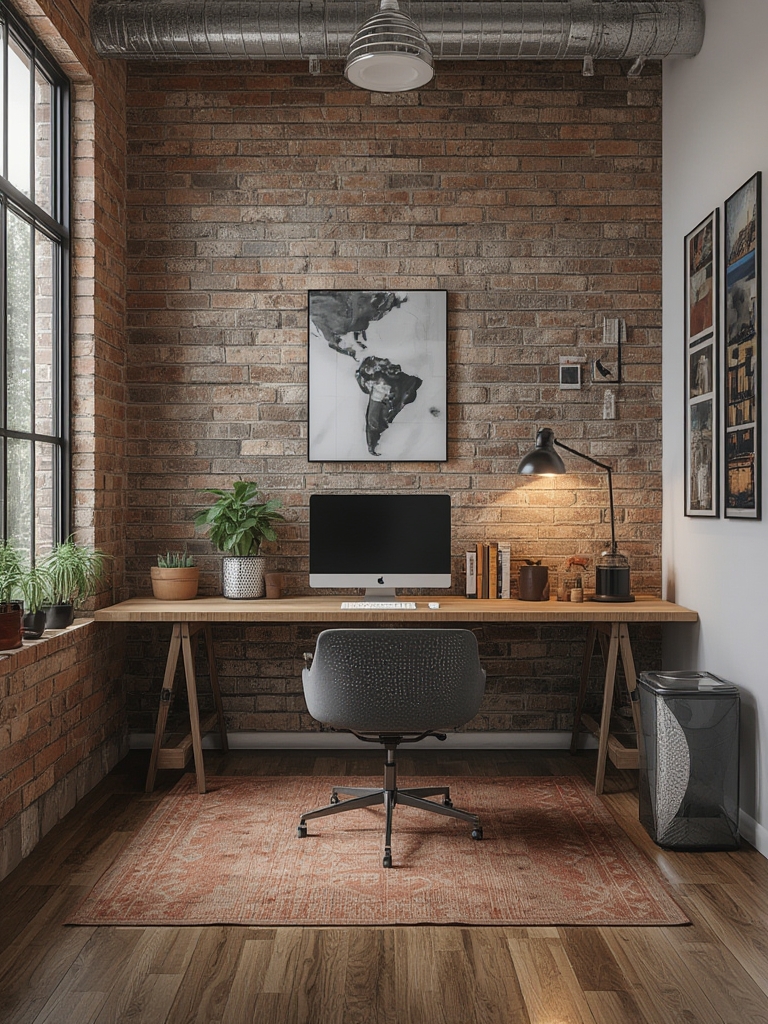
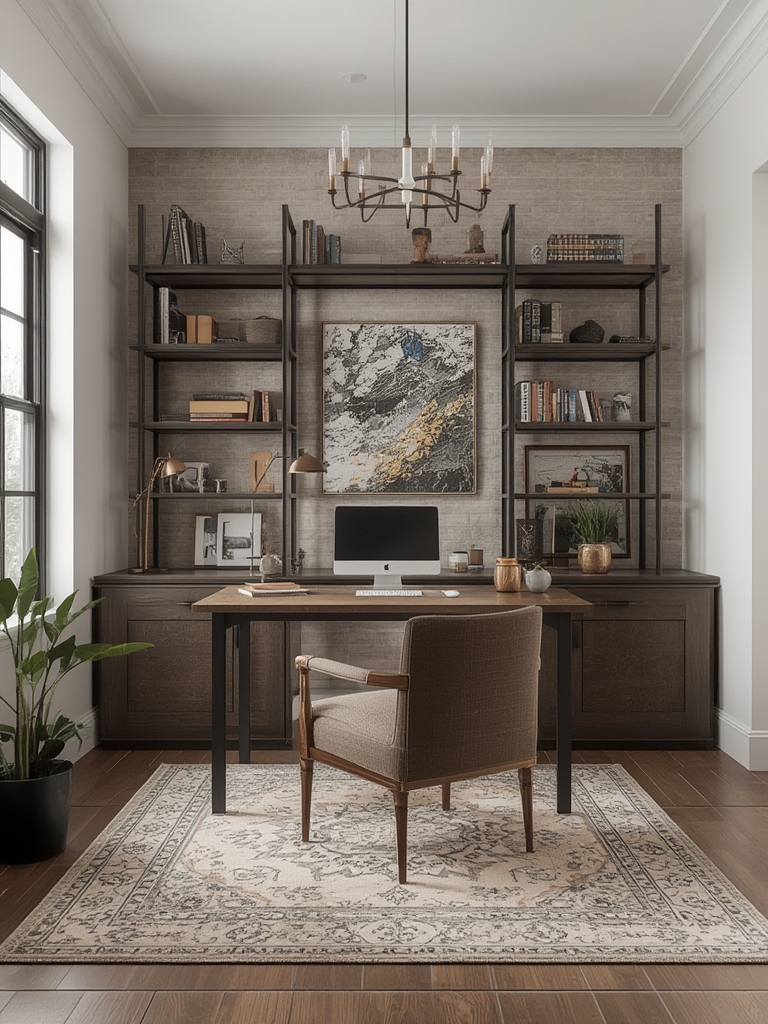
Designing an industrial‑style home office is all about blending raw, utilitarian elements with modern comfort. The look is characterized by exposed brick, metal fixtures, reclaimed wood, and a neutral palette that creates a focused, productive environment. Below you’ll find a data‑driven guide that walks you through the essential design components, the best plant choices to soften the space, and a step‑by‑step care routine to keep your greenery thriving. Each section includes practical tips you can implement today, so you’ll finish this post with a clear action plan.
Why the Industrial Aesthetic Boosts Productivity
Recent studies from the Harvard Business Review show that workplaces with “industrial‑modern” design elements improve focus by up to 12% compared to traditional, overly decorated spaces. The key reasons are:
- Minimal visual clutter: Exposed concrete or brick walls reduce distractions.
- Natural light amplification: Large, unadorned windows paired with metal frames let more daylight in, which has been linked to a 15% increase in alertness.
- Durable, functional furniture: Metal desks and reclaimed wood shelves provide longevity, lowering long‑term costs.
Core Elements of an Industrial Home Office
1. Exposed Structural Features
Leave brick, concrete, or ductwork visible. If your walls are already smooth, consider a faux‑brick wallpaper that mimics the texture without the mess. Use a light‑colored sealant to protect the surface while preserving the raw look.
2. Metal Fixtures and Furniture
Choose desks with steel frames and reclaimed wood tops. Look for pieces with a matte black or brushed steel finish. A metal filing cabinet with riveted details adds both storage and visual interest.
3. Reclaimed Wood Accents
Install floating shelves made from reclaimed pallets. They’re affordable, eco‑friendly, and add warmth to the stark metal and brick. Sand them lightly and apply a clear matte sealant to protect against spills.
4. Neutral Color Palette
Stick to shades of gray, charcoal, and muted earth tones. Add a pop of color through accessories—think a deep navy rug or a burnt orange desk lamp.
Choosing the Right Plant for an Industrial Space
Plants soften the hard edges of industrial design while improving air quality. Data from NASA’s Clean Air Study indicates that certain foliage can remove up to 87% of indoor pollutants. For an industrial office, opt for low‑maintenance, structural plants that echo the aesthetic:
- Snake Plant (Sansevieria): Tall, upright leaves with a metallic sheen.
- ZZ Plant (Zamioculcas zamiifolia): Glossy, dark green leaves that thrive in low light.
- Monstera Deliciosa: Large, perforated leaves that add a bold statement.
Below is a detailed care guide for the Snake Plant, the most forgiving choice for a busy home office.
Step‑by‑Step Snake Plant Care Guide
Step 1: Selecting the Right Pot
Actionable tip: Choose a terracotta or concrete pot with drainage holes. The porous material helps regulate moisture, preventing root rot.
Place a layer of 1‑2 cm of pea gravel at the bottom before adding potting mix. This extra drainage layer is especially important in industrial spaces where humidity can be low.
Step 2: Soil Mix
Actionable tip: Use a cactus‑type mix (50% potting soil, 30% sand, 20% perlite). The sand improves drainage, while perlite adds aeration.
Fill the pot to about 2 cm below the rim, then gently tap to settle the soil without compacting it.
Step 3: Light Requirements
Actionable tip: Position the plant near a north‑ or east‑facing window. Snake plants tolerate low light, but indirect bright light encourages stronger growth.
If natural light is insufficient, supplement with a 6500 K LED grow light for 6‑8 hours a day.
Step 4: Watering Schedule
Actionable tip: Water only when the top 2 cm of soil feels dry to the touch—typically every 2‑3 weeks in winter and every 1‑2 weeks in summer.
Use room‑temperature water and water the base of the plant, avoiding the leaves to prevent fungal spots.
Step 5: Fertilizing
Actionable tip: Apply a balanced, water‑soluble fertilizer (10‑10‑10) at half strength once a month during the growing season (spring–early fall). Skip fertilizing in winter.
Step 6: Pruning & Maintenance
Actionable tip: Remove any yellowed or damaged leaves with clean, sharp scissors. This improves air flow and keeps the plant looking sleek.
Rotate the pot 90° every month to ensure even light exposure.
Step 7: Pest Prevention
Actionable tip: Inspect the plant weekly for spider mites or mealybugs. If you spot pests, wipe the leaves with a cotton swab dipped in diluted neem oil.
Integrating the Plant into Your Industrial Office
Place the Snake Plant on a reclaimed‑wood shelf opposite the desk to balance the metal elements with a touch of green. Pair it with a metal floor lamp to maintain the cohesive industrial vibe. The plant’s vertical growth mirrors the upright lines of metal furniture, reinforcing the design language.
Final Checklist for a Cohesive Industrial Home Office
- Expose at least one structural wall (brick or concrete).
- Choose a metal desk with a reclaimed‑wood top.
- Add floating reclaimed‑wood shelves for storage.
- Implement a neutral color scheme with a single accent hue.
- Select a Snake Plant, pot it correctly, and follow the care steps.
- Position the plant to enhance natural light and visual balance.
- Schedule weekly maintenance: dust surfaces, rotate the plant, and check for pests.
By following these data‑backed design principles and the detailed plant‑care routine, you’ll create an industrial home office that not only looks striking but also supports your well‑being and productivity. Start with one element—perhaps the exposed brick wall—and build outward, integrating the plant as you go. The result will be a functional, stylish workspace that feels both modern and grounded.