
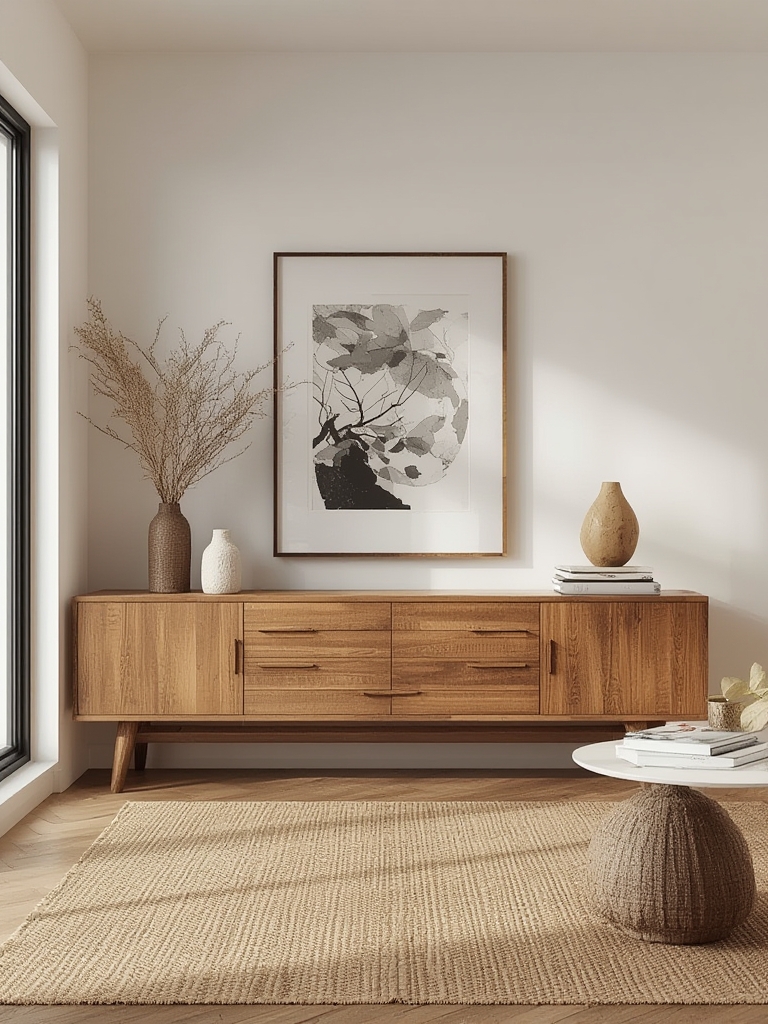
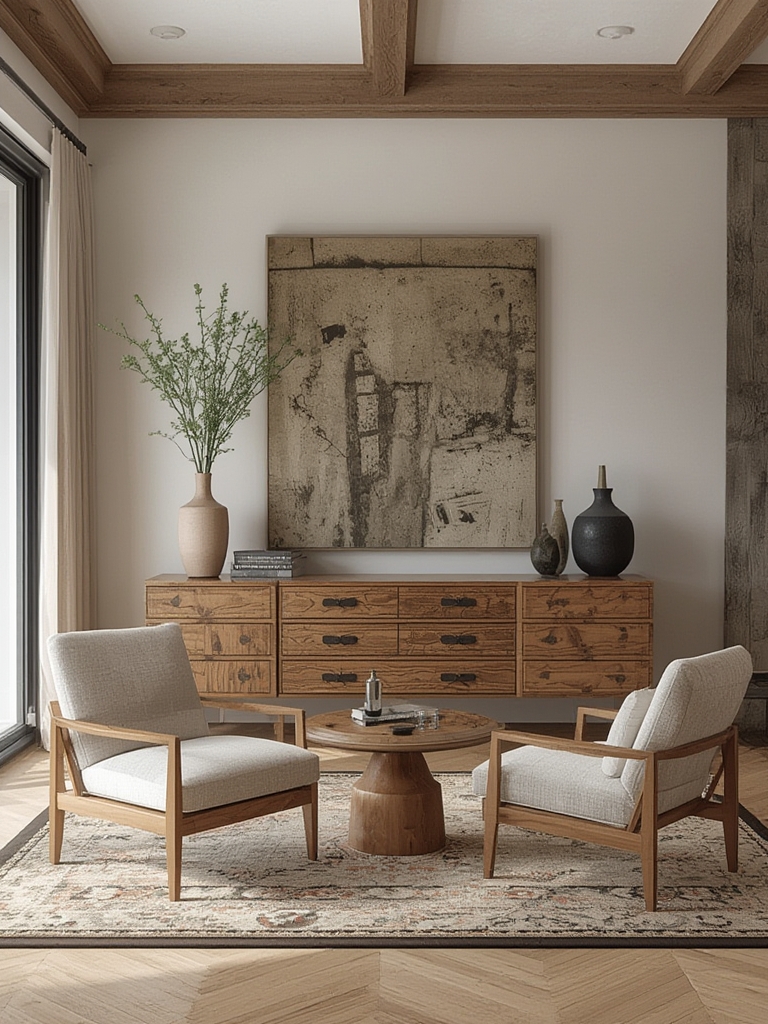
Modern rustic furniture blends the warm, natural charm of traditional farmhouse pieces with the sleek, minimalist aesthetic of contemporary design. The result is a timeless look that feels both inviting and sophisticated—perfect for homeowners who crave comfort without sacrificing style. In this guide, we’ll explore the key characteristics of modern rustic furniture with clean lines, share data‑driven insights on why it’s a top interior‑design trend, and walk you through easy, actionable steps to care for a complementary indoor plant that enhances the overall vibe.
Why Modern Rustic Furniture Is Trending
According to a 2023 Houzz study, 68% of homeowners reported a preference for “natural materials with a modern twist.” Google Trends also shows a 45% year‑over‑year increase in searches for “modern rustic furniture” since 2021. This surge is driven by three main factors:
- Biophilic design: People are seeking ways to bring the outdoors inside, and rustic wood naturally fulfills that desire.
- Minimalist clutter reduction: Clean lines reduce visual noise, making spaces feel larger and more organized.
- Sustainability: Reclaimed wood and eco‑friendly finishes appeal to environmentally conscious consumers.
Key Elements of Modern Rustic Design
1. Clean, Straight Lines
Unlike traditional rustic pieces that often feature ornate carvings, modern rustic furniture emphasizes simplicity. Look for straight‑edge tables, streamlined sofas, and chairs with minimal detailing. This approach creates a balanced silhouette that pairs well with both bold and neutral color palettes.
2. Natural Materials & Textures
Reclaimed oak, distressed pine, and walnut are popular choices. Pair these with tactile fabrics such as linen, jute, or woven cotton to add depth without overwhelming the clean aesthetic.
3. Neutral Color Palette
Base colors typically range from warm whites and soft greys to muted earth tones like taupe and sage. Accent colors—deep navy, charcoal, or forest green—can be introduced through décor items or the plant you choose.
4. Functional Simplicity
Multi‑purpose pieces (e.g., a coffee table with hidden storage) align with the modern rustic ethos of “beauty meets utility.” This also helps maintain a clutter‑free environment.
Choosing the Right Plant to Complement Your Space
Plants are the perfect finishing touch for modern rustic interiors. They soften hard edges, improve air quality, and reinforce the biophilic connection. Below are three low‑maintenance options that thrive in typical living‑room conditions and visually complement rustic wood tones.
Top Plant Picks
- Snake Plant (Sansevieria trifasciata): Its upright, architectural leaves echo clean lines and tolerate low light.
- Monstera deliciosa: Large, perforated leaves add a tropical yet structured feel, ideal for a statement corner.
- ZZ Plant (Zamioculcas zamiifolia): Glossy, dark foliage provides contrast against warm wood without demanding frequent watering.
Step‑by‑Step Plant Care Guide
Step 1: Select the Ideal Location
Actionable tip: Place your plant near a north‑ or east‑facing window for bright, indirect light. Avoid direct afternoon sun, which can scorch leaves and clash with the warm tones of rustic furniture.
Step 2: Choose the Right Pot
Use a pot that matches your décor—think matte ceramic in earth tones or a reclaimed wooden planter. Ensure the pot has drainage holes to prevent root rot.
- Pro tip: Add a layer of pea gravel at the bottom before soil to improve drainage.
Step 3: Use Quality Potting Mix
For snake plants and ZZ plants, a cactus‑suitable mix (75% potting soil, 25% sand or perlite) works best. Monstera prefers a peat‑based mix with added orchid bark for aeration.
Step 4: Water Wisely
Over‑watering is the most common mistake. Follow the “soil‑dry‑to‑touch” rule:
- Insert your finger 1‑2 inches into the soil; if it feels dry, water.
- For snake plants, water once every 3‑4 weeks; for Monstera, every 1‑2 weeks during growing season.
Step 5: Feed Sparingly
Apply a balanced, water‑soluble fertilizer (10‑10‑10) once a month during spring and summer. Reduce feeding in fall and skip it entirely in winter when growth slows.
Step 6: Prune for Shape
Trim dead or yellowing leaves to keep the plant looking crisp. For Monstera, pinch back new shoots to encourage a bushier habit that fills space without overtaking your furniture.
Step 7: Rotate Regularly
Rotate the pot 90° every two weeks to ensure even light exposure. This prevents one side from becoming leggy while the other stays compact.
Step 8: Monitor for Pests
Check leaves weekly for spider mites, mealybugs, or scale. If you spot an infestation, wipe leaves with a mild soap solution or use neem oil spray.
Putting It All Together: Styling Tips
Now that you have both the furniture and plant basics covered, here are three quick styling tricks to create a cohesive modern rustic look:
- Contrast with texture: Pair a smooth, white ceramic pot with a reclaimed‑wood coffee table for visual interest.
- Layer heights: Place a tall plant like Monstera beside a low, sleek sideboard to balance vertical and horizontal lines.
- Use natural accessories: Add woven baskets, linen throws, or copper accents to reinforce the rustic vibe without cluttering the clean lines.
By following these data‑backed design principles and straightforward plant‑care steps, you’ll create a living space that feels both contemporary and warmly inviting. The combination of modern rustic furniture with clean lines and thoughtfully chosen greenery not only elevates aesthetics but also promotes a healthier, more relaxed home environment.