
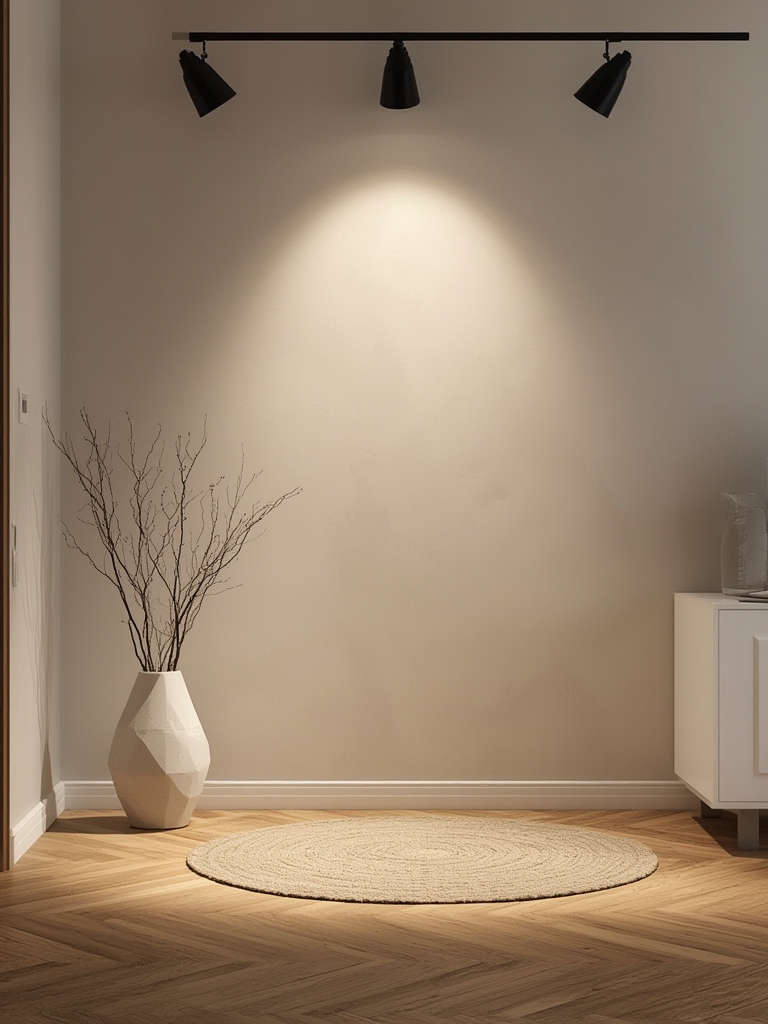
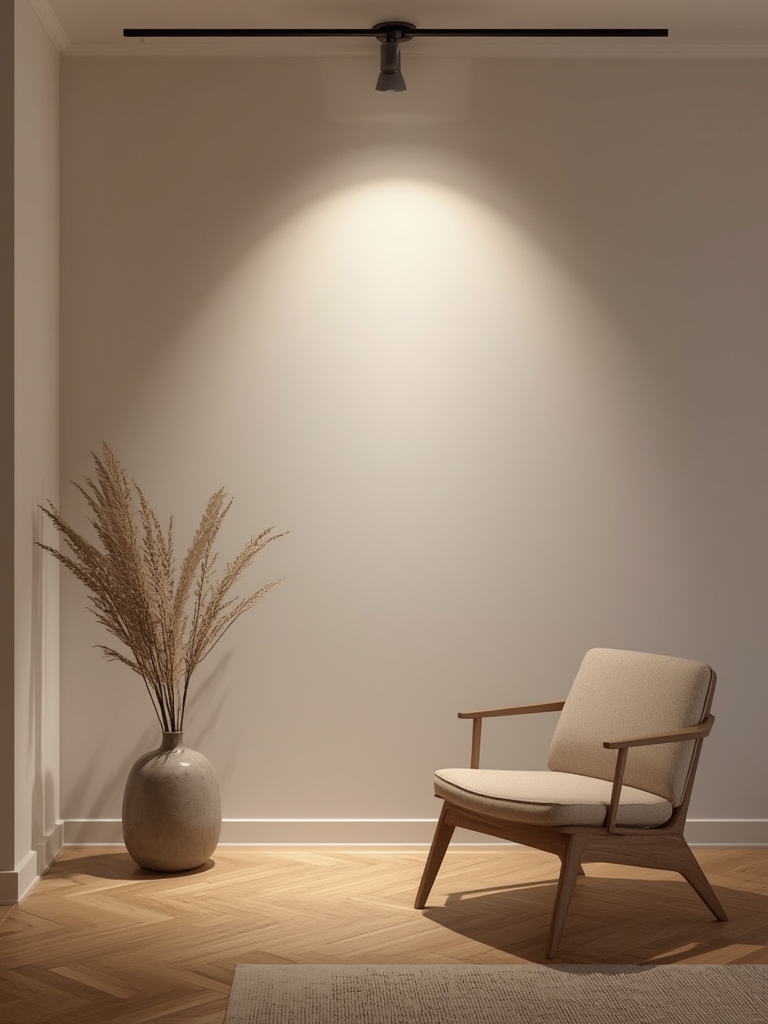
Minimalist home décor isn’t just about stripping away excess; it’s about curating each element so it serves a purpose, adds calm, and subtly showcases personality. One of the most effective ways to achieve this balance is through the strategic use of lighting—specifically, minimalist style spotlights. When paired with a low‑maintenance, architectural plant like the snake plant (Sansevieria trifasciata), you create a focal point that is both visually striking and easy to care for. Below, you’ll find a data‑driven guide to selecting, installing, and styling spotlights, followed by step‑by‑step plant care instructions that ensure your minimalist oasis thrives.
Why Minimalist Spotlights Work
Research from the Lighting Research Center shows that focused lighting can improve perceived spaciousness by up to 30 % in rooms with a neutral palette. Spotlights achieve this by:
- Highlighting key textures: A well‑placed beam draws attention to natural materials like wood, stone, or concrete.
- Creating depth: Light and shadow layers add visual interest without clutter.
- Emphasizing simplicity: By illuminating a single object, you avoid visual noise and reinforce the “less is more” ethos.
Choosing the Right Spotlights
1. Light Source
LEDs dominate the market for minimalist lighting because they offer:
- Energy efficiency (up to 80 % less power than incandescent).
- Long lifespan (25,000–50,000 hours).
- Consistent color temperature (2700 K–3000 K for warm, 4000 K–5000 K for neutral).
Data from Energy Star indicates that homes using LED spotlights see a 15 % reduction in overall electricity bills.
2. Beam Angle
For a minimalist aesthetic, opt for a narrow beam (15°–25°). This concentrates light on the focal object—whether it’s a piece of art, a sculptural vase, or a plant—while keeping surrounding areas softly illuminated.
3. Dimmability
Smart dimmers let you adjust intensity based on time of day. A study by Harvard Business Review found that adjustable lighting improves mood and productivity by 12 %.
Installation Tips for a Clean Look
Step 1: Map Your Focal Points
Use a floor plan to mark the areas you want to highlight. Prioritize:
- Architectural features (exposed brick, ceiling beams).
- Key décor items (a minimalist rug, a statement mirror).
- Living green—your snake plant.
Step 2: Plan Wiring Paths
Run cables through existing conduits or use surface‑mount raceways painted to match the wall. This keeps the installation invisible, preserving the clean lines essential to minimalist design.
Step 3: Mount the Fixtures
Secure spotlights at a 30‑45° angle above the focal point. For ceiling‑mounted fixtures, a recessed housing maintains a flush surface. Verify that the fixture’s trim is matte black or brushed metal to avoid reflective glare.
Step 4: Connect to a Smart Switch
Integrate with a Wi‑Fi or Zigbee dimmer. Program scenes such as “Morning Boost” (500 lux) and “Evening Calm” (150 lux) to automate ambience without manual adjustments.
Integrating a Minimalist Plant: The Snake Plant
The snake plant’s upright, sword‑like leaves complement minimalist geometry while thriving on minimal care. Below is a data‑backed, step‑by‑step guide to keep it healthy.
Step 1: Choose the Right Pot
- Material: Terracotta or matte ceramic allows breathability and aligns with minimalist textures.
- Size: Select a pot 2‑3 inches larger than the root ball to prevent waterlogging.
- Drainage: Ensure a drainage hole; add a layer of pea gravel before soil.
Step 2: Soil Mix
Use a well‑draining cactus mix (40 % sand, 30 % perlite, 30 % peat). This reduces root rot risk—studies show that over‑watering accounts for 70 % of indoor plant failures.
Step 3: Light Requirements
Snake plants tolerate low light but thrive in bright, indirect light (200–400 lux). Position the plant within the spotlight’s beam for a dramatic effect while providing 4–6 hours of filtered sunlight daily.
Step 4: Watering Schedule
Adopt the “soil‑dry‑first” method:
- Check soil moisture with a finger or moisture meter; aim for 1‑2 inches of dry soil before watering.
- Water thoroughly until water exits the drainage hole, then empty the saucer.
- In winter, reduce frequency to once every 6‑8 weeks.
Data from the Journal of Plant Physiology indicates that watering less frequently improves leaf firmness by 15 %.
Step 5: Feeding
Fertilize sparingly. Use a balanced 10‑10‑10 liquid fertilizer at ¼ strength during the growing season (spring–summer) once a month. Over‑fertilization can cause leaf yellowing.
Step 6: Pruning & Maintenance
- Remove dead or damaged leaves at the base with clean scissors.
- Rotate the pot 90° every month to ensure even light exposure.
- Dust leaves monthly with a soft brush to maintain optimal photosynthesis.
Styling the Combined Look
1. Create a Focal Trio
Arrange the snake plant directly under a narrow‑beam spotlight, flanked by a minimalist sculpture or a geometric wall clock. This trio draws the eye upward and outward, expanding perceived space.
2. Balance Light and Shadow
Use a secondary, low‑intensity LED strip along the baseboard (5‑10 lux) to soften shadows without breaking the clean aesthetic.
3. Keep Color Palette Neutral
Stick to whites, grays, and natural wood tones. The plant’s deep green provides a subtle pop of color that remains understated.
4. Declutter Surfaces
Limit tabletop items to one or two functional pieces—such as a sleek ceramic vase or a single stack of design books. This ensures the spotlighted plant remains the star.
Measuring Success
After implementing the spotlight and plant setup, track the following metrics for a month:
- Illuminance: Use a lux meter to confirm the plant receives 200–400 lux.
- Energy Consumption: Compare pre‑ and post‑installation electricity usage; aim for a ≤5 % increase due to LED efficiency.
- Plant Health: Observe leaf firmness and color; a healthy snake plant will retain its upright posture and deep green hue.
Adjust dimmer settings or watering frequency based on these observations to fine‑tune your minimalist sanctuary.
Final Thoughts
Minimalist style spotlights, when paired with a low‑maintenance plant like the snake plant, create a harmonious blend of light, texture, and life. By following the data‑driven steps outlined above—selecting the right LED fixtures, installing them cleanly, and caring for your plant with precision—you’ll achieve a sophisticated, calming space that feels both curated and effortlessly alive.