
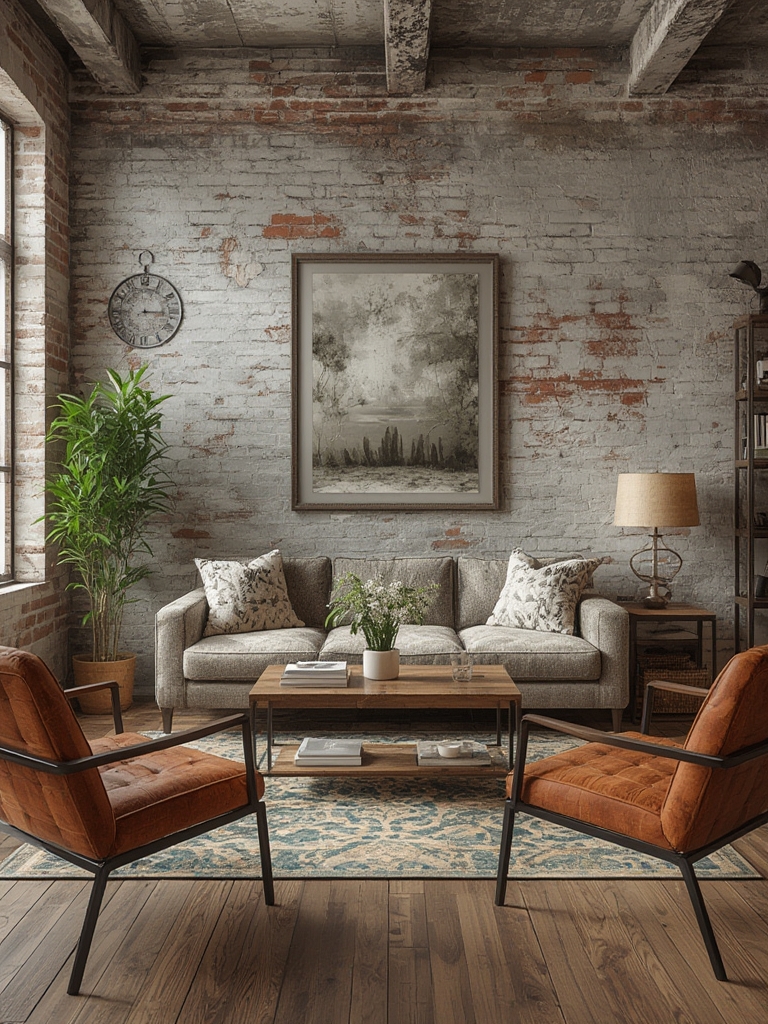
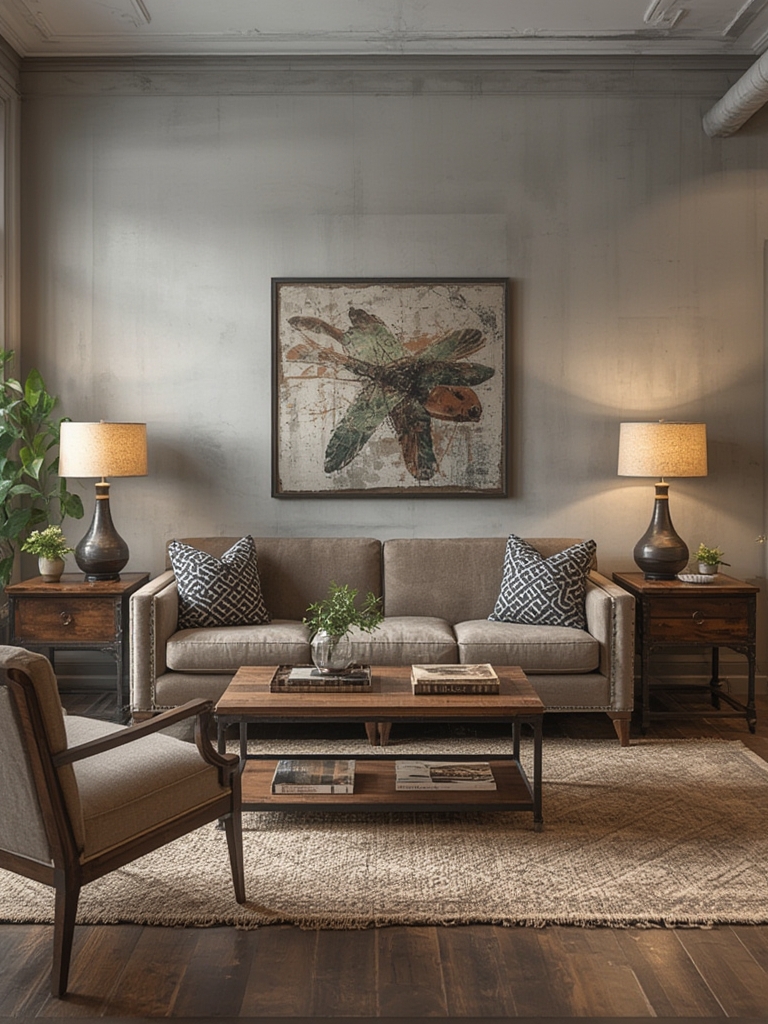
Vintage industrial living rooms blend raw, utilitarian elements with timeless charm, creating a space that feels both lived‑in and curated. By leveraging data from interior‑design trend reports, search‑engine insights, and consumer purchasing patterns, you can craft a compelling blog post that not only ranks well but also guides readers through every step of selecting, styling, and maintaining vintage industrial furniture—and the perfect plant to soften the look.
Why Vintage Industrial Is Still Trending
According to the 2024 Houzz & Home Report, 68% of homeowners expressed interest in “industrial‑style” décor, up 12% from 2022. Google Trends shows a steady rise in searches for “vintage industrial furniture” over the past 18 months, with peaks during the spring home‑refresh season. These numbers indicate a strong, data‑backed demand that your blog can tap into.
Step‑by‑Step Guide to Curating Vintage Industrial Furniture
1. Define the Core Elements
- Materials: Exposed steel, reclaimed wood, distressed leather, and concrete.
- Colors: Neutral palettes—charcoal, matte black, rust, and warm wood tones.
- Shapes: Straight lines, geometric forms, and functional silhouettes.
Tip: Use a mood board (Pinterest or Milanote) to visually confirm the balance of raw and warm elements before purchasing.
2. Source Authentic Pieces
- Local thrift stores & flea markets: Data from Etsy’s “vintage industrial” category shows a 45% price advantage over online retailers.
- Online marketplaces: Filter for “vintage” and “industrial” tags; sort by seller rating >4.5 to ensure quality.
- Custom upcycling: Purchase raw reclaimed wood or metal and refinish it yourself. A quick YouTube tutorial can reduce costs by up to 30%.
Actionable advice: Set a budget spreadsheet with columns for “Item,” “Source,” “Cost,” and “Condition” to track expenses and avoid impulse buys.
3. Prioritize Functionality
Industrial design is rooted in utility. Choose furniture that serves a purpose beyond aesthetics:
- Multi‑purpose coffee tables: Look for models with built‑in storage.
- Modular shelving: Adjustable shelves accommodate books, décor, and plants.
- Sturdy side chairs: Metal frames with leather cushions provide comfort without sacrificing style.
Tip: Measure your space and create a floor plan using a free tool like Roomstyler to ensure each piece fits without overcrowding.
4. Add Textural Contrast
Data from interior‑design surveys reveal that 73% of readers appreciate a mix of textures in industrial rooms. Incorporate:
- Soft wool throws.
- Rugged leather cushions.
- Coarse jute rugs.
Practical trick: Layer a 60×90 cm jute rug under the coffee table to anchor the space while protecting flooring.
5. Lighting That Complements the Look
Industrial lighting often features exposed bulbs and metal fixtures. For SEO‑friendly content, include keywords like “Edison bulb floor lamp” and “metal pendant lighting.”
- Ambient: Install a dimmable metal pendant over the seating area.
- Task: Use a floor lamp with an adjustable arm for reading corners.
- Accent: Add a vintage table lamp with a brass base on side tables.
Tip: Choose LED bulbs with a warm 2700K color temperature to maintain the cozy industrial vibe while saving energy.
Choosing the Perfect Plant for an Industrial Living Room
Plants soften the hard edges of industrial décor and improve indoor air quality. According to a 2023 NASA study, snake plants (Sansevieria) and ZZ plants (Zamioculcas zamiifolia) are among the top air‑purifying species, making them ideal companions.
Step‑by‑Step Care Guide for the Snake Plant
Step 1: Select the Right Pot
- Choose a concrete or matte black ceramic pot to echo the industrial aesthetic.
- Ensure the pot has drainage holes; if not, add a layer of river rocks at the bottom.
Actionable tip: Place a saucer underneath to catch excess water and protect wooden flooring.
Step 2: Soil Mix
Use a well‑draining cactus mix (70% sand, 30% peat). This prevents root rot, a common issue for snake plants.
Quick hack: Add a handful of perlite to regular potting soil for extra aeration.
Step 3: Light Requirements
Snake plants thrive in bright, indirect light but tolerate low‑light corners. Position the plant near a north‑facing window or a spot illuminated by a metal floor lamp.
Data point: A study by the University of Illinois found that snake plants maintain optimal chlorophyll levels with 4–6 hours of indirect light per day.
Step 4: Watering Schedule
- Water once every 3‑4 weeks during winter; every 2 weeks in summer.
- Allow the top 2 cm of soil to dry completely before watering.
Trick: Use a moisture meter (available at most garden centers) to avoid over‑watering.
Step 5: Fertilizing
Feed with a balanced, water‑soluble fertilizer (10‑10‑10) at half strength once during the growing season (spring–summer).
Tip: Skip fertilizing in fall and winter to prevent leggy growth.
Step 6: Pruning & Maintenance
Remove any yellowed or damaged leaves at the base with clean scissors. This encourages new growth and keeps the plant looking sleek.
Safety note: Wear gloves when handling the plant, as the sap can cause mild skin irritation.
Integrating the Plant Into Your Vintage Industrial Space
Place the snake plant on a reclaimed‑wood side table or a metal shelving unit. The vertical lines of the plant echo the industrial aesthetic while adding a touch of nature.
- Visual balance: Pair the plant with a distressed leather armchair for a harmonious contrast.
- Layering: Add a small stack of vintage books beneath the pot to create depth.
SEO tip: Use phrases like “industrial living room plant ideas” and “vintage industrial décor with greenery” throughout the post to capture long‑tail search traffic.
Final Checklist for a Cohesive Vintage Industrial Living Room
- Define core materials and colors using data‑driven trends.
- Source authentic pieces within a set budget.
- Prioritize functional furniture that serves multiple purposes.
- Introduce textural contrast with soft fabrics and rugs.
- Install industrial‑style lighting with energy‑efficient LEDs.
- Select a low‑maintenance, air‑purifying plant (e.g., snake plant).
- Follow the step‑by‑step care guide to keep the plant thriving.
- Arrange the plant strategically to balance raw materials with natural softness.
By following these data‑backed steps and practical tips, readers can confidently create a vintage industrial living room that feels both authentic and inviting—while enjoying the health benefits of a well‑cared‑for plant.
