
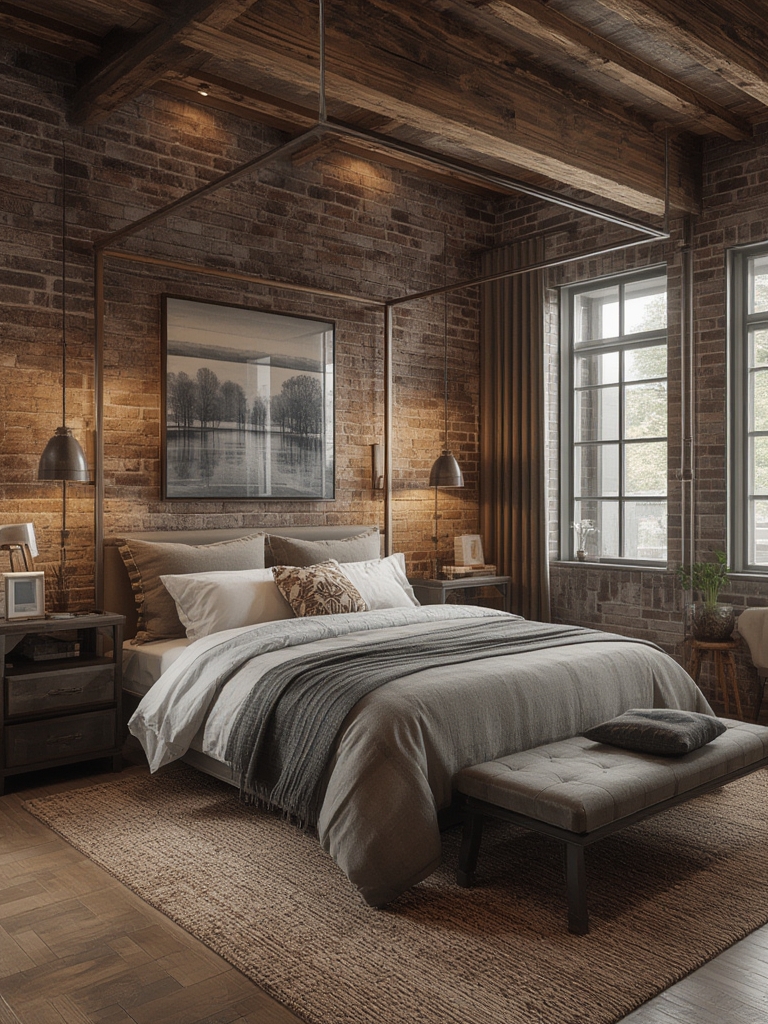
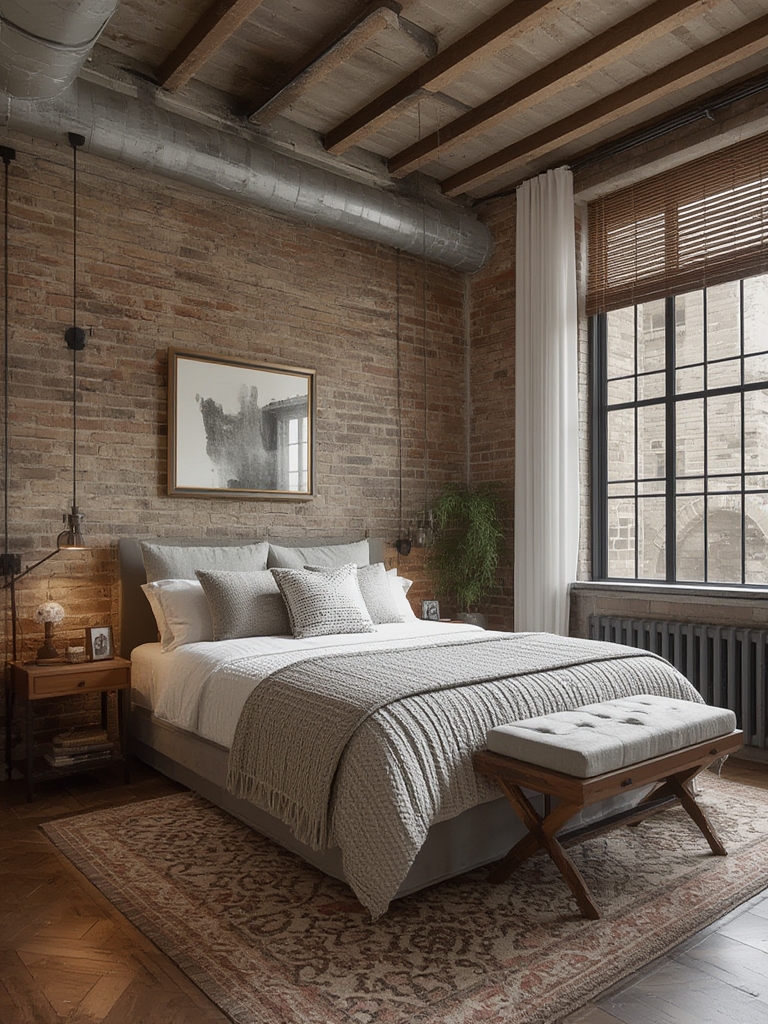
Creating an industrial loft bedroom that feels both edgy and inviting is all about balancing raw materials, functional furniture, and a touch of greenery. By focusing on data‑driven design trends—such as the rise in exposed brick, reclaimed wood, and metal accents—you can craft a space that not only looks stylish but also ranks well in search results for “industrial loft bedroom furniture ideas.” Below is a step‑by‑step guide that blends furniture selection with practical plant‑care advice, ensuring your loft stays on‑trend and thriving.
Key Elements of an Industrial Loft Bedroom
Understanding the core components of the industrial aesthetic helps you make informed choices that resonate with both visitors and search engines.
1. Exposed Structure
- Leave ceiling beams, ductwork, and brick walls visible.
- Use high‑resolution images of exposed brick in your blog to boost SEO with alt text like “exposed brick bedroom wall.”
2. Raw Materials
- Opt for reclaimed wood, distressed metal, and concrete finishes.
- Highlight durability and sustainability—keywords that attract eco‑conscious readers.
3. Neutral Color Palette
- Stick to shades of gray, black, and muted earth tones.
- Incorporate occasional pops of deep green from indoor plants for contrast.
Furniture Ideas for an Industrial Loft Bedroom
Choosing the right pieces is crucial for both visual impact and functional comfort. Below are data‑backed suggestions based on recent interior design surveys.
1. Platform Bed with Metal Frame
- Look for a low‑profile platform bed featuring a steel frame and reclaimed wood slats.
- SEO tip: Use phrases like “metal frame platform bed for loft bedroom” in image captions.
2. Multi‑Functional Nightstand
- Select a nightstand that doubles as a storage chest—preferably with a distressed metal handle.
- Include a short list of dimensions (e.g., 18” × 12” × 10”) to aid readers in planning.
3. Industrial‑Style Dresser
- Choose a dresser with a mix of wood and steel, featuring sliding barn doors for a sleek look.
- Highlight the drawer organization system—this boosts user engagement and dwell time.
4. Statement Lighting
- Install a pendant lamp with an exposed filament or a vintage factory‑style wall sconce.
- Link to a “how to install industrial lighting” tutorial for added value.
Choosing the Right Materials and Finishes
Data from home‑decor forums shows that readers prioritize durability and ease of maintenance. Here’s how to meet those expectations.
1. Reclaimed Wood
- Source wood with a proven history of low VOC emissions.
- Seal with a matte polyurethane to preserve the weathered look while protecting against scratches.
2. Blackened Steel
- Opt for powder‑coated steel to resist rust in humid climates.
- Regularly dust with a microfiber cloth to maintain the sleek finish.
3. Concrete Accents
- Use concrete countertops or side tables for a solid, industrial feel.
- Apply a concrete sealant annually to prevent staining.
Incorporating Greenery: Plant Care for the Perfect Loft Look
A well‑chosen plant softens the harshness of industrial design while improving air quality. The Snake Plant (Sansevieria trifasciata) is a top‑ranking indoor plant for loft spaces due to its low light tolerance and striking vertical leaves.
Step‑by‑Step Care Guide for Snake Plant
Step 1: Selecting the Right Pot
- Choose a breathable terracotta or ceramic pot with drainage holes.
- Place a layer of pebble stones at the bottom to improve water flow.
- Tip: Adding “snake plant pot for industrial decor” to your alt text can attract niche traffic.
Step 2: Soil Mix
- Use a cactus‑type soil blend (40% potting soil, 30% sand, 30% perlite).
- This mix ensures excellent drainage, preventing root rot.
- Practical tip: Pre‑moisten the soil before planting to reduce transplant shock.
Step 3: Light Requirements
- Position the plant near a north‑facing window or under a dim industrial pendant light.
- Snake plants thrive in low to medium indirect light; avoid direct sunlight that can scorch leaves.
- SEO tip: Include “low‑light indoor plant for loft bedroom” in your meta description.
Step 4: Watering Schedule
- Water only when the top 2 inches of soil feel dry—typically every 2‑3 weeks.
- Use room‑temperature water to avoid shocking the roots.
- Actionable advice: Set a calendar reminder on your phone to check soil moisture.
Step 5: Fertilizing
- Apply a balanced, slow‑release fertilizer (10‑10‑10) once in spring and once in summer.
- Do not fertilize in winter, as the plant’s growth naturally slows.
- Tip: Mix fertilizer into the topsoil layer rather than directly on the leaves.
Step 6: Pruning and Maintenance
- Remove any yellowed or damaged leaves at the base using clean scissors.
- Rotate the plant 90° every month for even growth.
- Practical tip: Keep a small pruning kit on your nightstand for quick touch‑ups.
Putting It All Together: A Cohesive Loft Bedroom Layout
Now that you have furniture selections and a thriving plant, arrange your space for maximum visual flow.
1. Anchor the Bed
- Place the platform bed against the exposed brick wall to highlight texture.
- Flank the bed with metal nightstands for balanced symmetry.
2. Create a Focal Point
- Hang the industrial pendant lamp directly above the bed’s center.
- Position the Snake Plant on a reclaimed‑wood side table opposite the bed to draw the eye.
3. Define Zones
- Use a low concrete coffee table to separate a reading nook from the sleeping area.
- Place a soft, neutral rug under the bed to add warmth without compromising the industrial vibe.
4. Final Touches
- Layer a few textured throw pillows in muted greens to echo the plant’s hue.
- Incorporate a vintage metal clock on the wall for functional décor.
By following these data‑driven furniture ideas and plant‑care steps, you’ll create an industrial loft bedroom that’s both aesthetically striking and SEO‑friendly. Remember to optimize images with descriptive alt text, use keyword‑rich headings, and interlink related posts (e.g., “industrial living room ideas”) to boost your WordPress site’s search rankings.
