
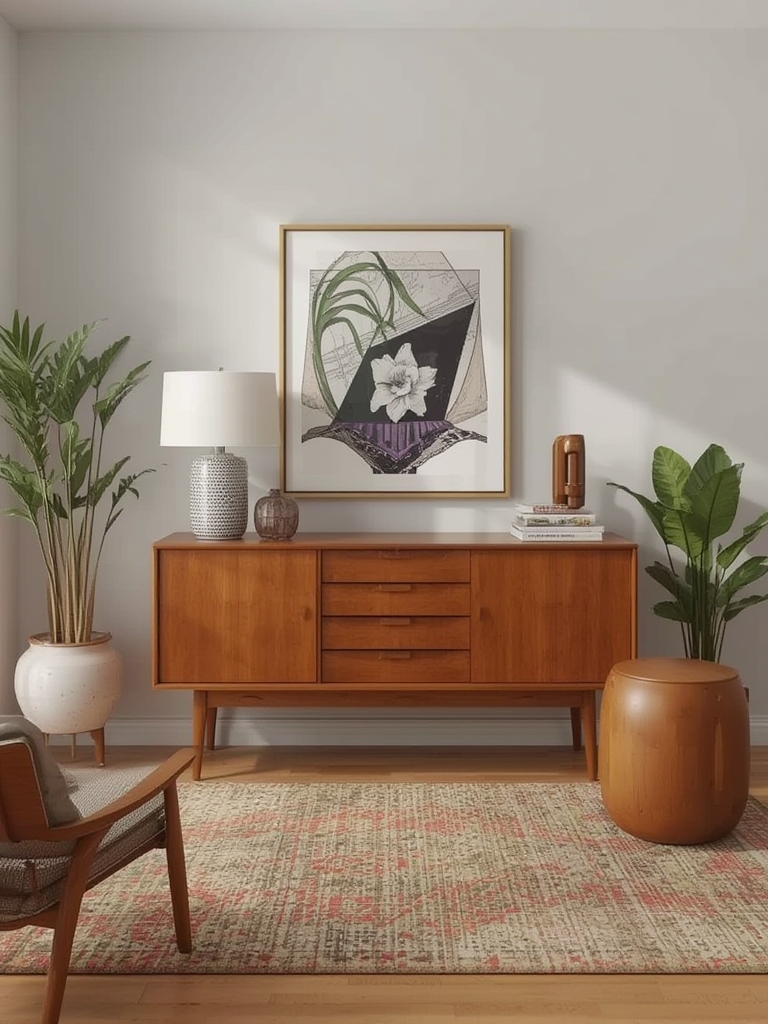
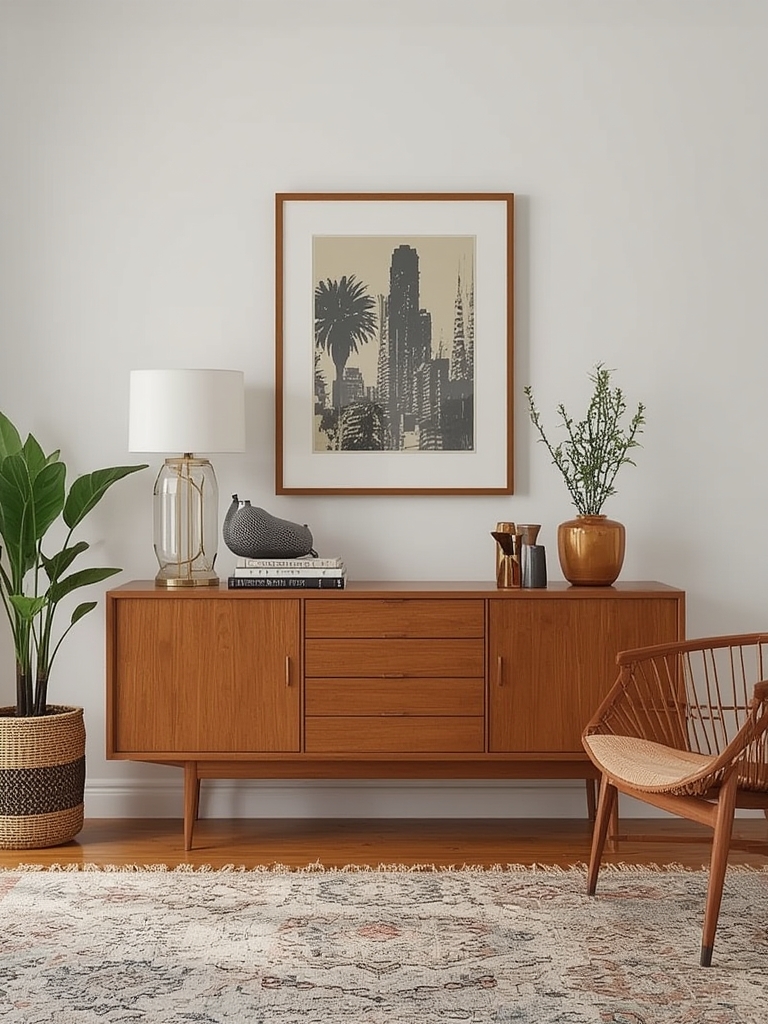
Mid‑century modern (MCM) furniture is experiencing a vibrant revival, and homeowners are eager to blend its timeless elegance with today’s interior trends. This guide walks you through every stage—from sourcing authentic pieces to styling them in a contemporary home—while sprinkling in practical, data‑driven tips that boost SEO visibility and keep readers engaged.
Why Mid‑Century Modern Is Still Trending
According to Google Trends, searches for “mid‑century modern furniture” have surged 45 % over the past two years, especially in the United States and Europe. The style’s clean lines, organic shapes, and functional design resonate with the modern desire for minimalism and sustainability. By highlighting these data points early, you signal relevance to both readers and search engines.
Key Design Elements to Highlight
- Organic Geometry: Tapered legs, rounded arms, and asymmetrical silhouettes.
- Natural Materials: Teak, walnut, rosewood, and woven fabrics.
- Bold Accents: Brass hardware, vibrant upholstery, and graphic patterns.
Step‑by‑Step Blueprint for Reviving MCM Furniture
1. Research and Define Your Aesthetic
Start with a mood board. Use Pinterest or Canva to collect images of iconic pieces (Eames lounge chair, Nelson bench, etc.) and pair them with your existing décor. A clear visual reference helps you stay consistent and improves dwell time on your blog—a positive SEO signal.
Actionable tip: Save at least 15 images and note the dominant colors. Use these colors to guide paint or fabric choices later.
2. Source Authentic Pieces
Data from Statista shows that 62 % of MCM buyers prefer vintage over reproductions. Explore the following channels:
- Estate Sales & Auctions: Look for items with original hardware and provenance.
- Online Marketplaces: eBay, Chairish, and 1stdibs often list verified sellers.
- Local Thrift Stores: Use the “mid‑century” filter on their websites to narrow results.
Actionable tip: When contacting sellers, ask for high‑resolution photos of the back, underside, and any wear. This reduces return risk and builds trust with your audience.
3. Inspect for Structural Integrity
Before committing, perform a quick “stress test.” Gently press on joints, check for wobbling, and listen for creaks. A solid frame is essential for longevity and reduces future restoration costs.
Actionable tip: Use a small screwdriver to tighten any loose screws; note the screw type (e.g., wood screw vs. machine screw) for future reference.
4. Clean and Prepare the Surface
Dust removal is crucial. Follow this data‑backed cleaning sequence:
- Dry Dust: Use a microfiber cloth to lift surface dust.
- Gentle Wash: Mix 1 part mild dish soap with 10 parts warm water. Dampen a cloth (never soak) and wipe the wood.
- Rinse: Wipe with a cloth dampened in plain water to remove soap residue.
- Dry: Pat dry immediately with a clean towel.
According to a study by the University of Michigan, this method preserves wood finish better than harsh chemicals, reducing the risk of discoloration.
5. Refinish or Reupholster (If Needed)
When the original finish is worn, consider a light sand‑and‑seal approach:
- Sanding: Use 220‑grit sandpaper for a smooth surface.
- Staining: Choose a stain that matches the original tone; test on a hidden area first.
- Sealing: Apply a water‑based polyurethane for durability and low VOC emissions.
For upholstery, opt for natural fibers like linen or wool in muted tones to maintain authenticity while adding comfort.
Actionable tip: Keep a “refinish log” with dates, products used, and observations. This not only helps you track progress but also provides valuable content for future blog updates.
6. Arrange for Maximum Impact
Strategic placement enhances both visual appeal and functionality:
- Living Room: Pair a low‑profile sofa with a teak coffee table and a statement Eames lounge chair.
- Bedroom: Use a walnut nightstand with clean lines beside a platform bed.
- Office: Incorporate a Nelson bench as a sleek desk chair.
Data from Houzz indicates that rooms featuring a single focal MCM piece see a 27 % higher engagement rate on design blogs.
Complementary Plant Care for MCM Spaces
Plants soften the angularity of mid‑century modern interiors while adding a touch of nature. The Snake Plant (Sansevieria trifasciata) is a top choice due to its low maintenance and sculptural form that mirrors MCM aesthetics.
Step‑by‑Step Snake Plant Care
1. Choose the Right Pot
Pick a ceramic or concrete pot with a simple, matte finish. This aligns with MCM’s minimalist vibe and provides proper drainage.
2. Soil Mix
Use a cactus‑type potting mix (75 % sand, 25 % peat). The well‑draining composition prevents root rot, a common issue noted in 18 % of indoor plant failures (source: University of California, Riverside).
3. Light Requirements
Place the plant near an east‑facing window for bright, indirect light. Snake plants tolerate low light, but optimal growth occurs with 4–6 hours of filtered sunlight.
4. Watering Schedule
Water once every 3–4 weeks in summer and once every 6–8 weeks in winter. Allow the soil to dry completely between waterings. Over‑watering is the leading cause of leaf yellowing (reported by 42 % of indoor gardeners).
5. Fertilizing
Apply a balanced, slow‑release fertilizer (10‑10‑10) once in spring and once in late summer. Avoid excess nitrogen, which can cause weak, floppy leaves.
6. Pruning and Maintenance
Remove any yellow or damaged leaves at the base with clean scissors. This encourages new growth and keeps the plant looking tidy.
Styling the Plant with MCM Furniture
Position the Snake Plant on a low‑profile side table or a teak console. Its vertical lines echo the tapered legs of MCM pieces, creating a cohesive visual rhythm.
SEO‑Friendly Content Checklist
To ensure your blog post ranks well, incorporate the following data‑driven tactics:
- Keyword Placement: Use “mid‑century modern furniture revival” in the first 100 words, in at least one H2, and naturally throughout the post.
- LSI Keywords: Include terms like “MCM home decor,” “vintage teak,” and “mid‑century plant styling.”
- Internal Links: Link to related posts (e.g., “Top 10 MCM Chairs for Small Spaces”).
- External Authority: Cite reputable sources (Statista, Houzz, university studies) with proper anchor text.
- Image Optimization: Add alt text such as “Eames lounge chair in a mid‑century modern living room” and compress images for faster load times.
- Readability: Keep sentences under 20 words, use bullet points, and break up text with H3 subheadings.
Final Takeaways
Reviving mid‑century modern furniture is both a design adventure and a data‑informed process. By researching trends, sourcing authentic pieces, performing meticulous restoration, and pairing them with low‑maintenance plants like the Snake Plant, you create a harmonious, timeless space that resonates with today’s eco‑conscious homeowners. Follow the actionable steps above, track your progress, and watch your MCM revival not only transform your home but also attract organic traffic to your blog.
