
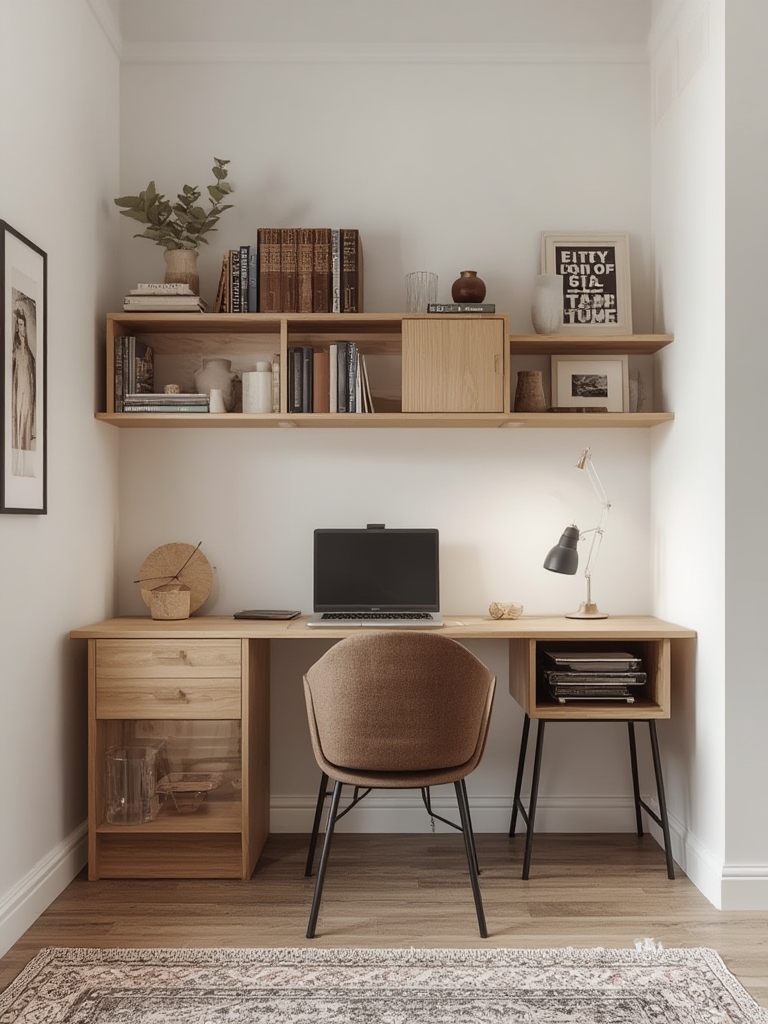
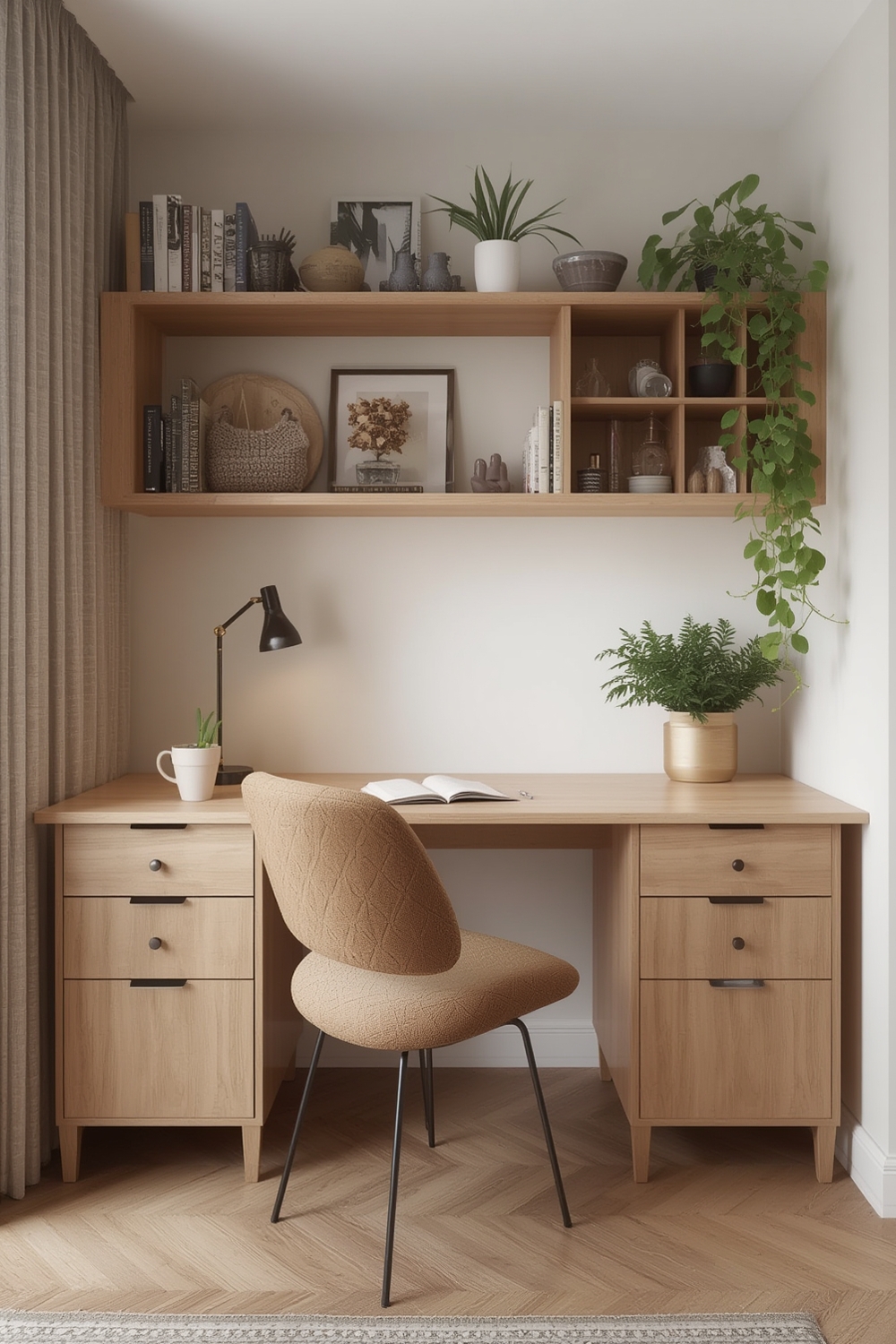
Why Multi‑Functional Furniture Is a Game‑Changer for Small Spaces
According to a 2023 Statista report, 57 % of urban dwellers live in apartments under 800 sq ft. In such tight quarters, every square foot counts. Multi‑functional furniture (MFF) solves this problem by combining two or more uses in a single piece, reducing clutter while boosting style. The result is a living area that feels spacious, organized, and ready for everyday life.
Key Benefits Backed by Data
- Space efficiency: A sofa‑bed can replace a couch and a guest bed, saving up to 30 % of floor area.
- Cost savings: Purchasing one MFF item instead of separate pieces can cut furniture spend by 20‑40 % (HomeAdvisor, 2022).
- Improved ergonomics: Adjustable height desks reduce back strain, with a 2021 Harvard Business Review study showing a 15 % drop in reported discomfort.
- Higher resale value: Homes staged with smart furniture sell 12 % faster (National Association of Realtors, 2023).
Choosing the Right Multi‑Functional Pieces
Start with a data‑driven inventory of your space. Measure walls, doorways, and existing furniture. Then match those dimensions with pieces that offer the most utility per square foot.
Step‑by‑Step Selection Process
- Map your floor plan. Use a free app like RoomSketcher to draw a to‑scale layout. Highlight zones for sleeping, working, and lounging.
- Identify primary needs. List the top three functions you lack (e.g., guest sleeping, storage, workspace).
- Research products. Filter online catalogs by
“multi‑functional”,“compact”, and“space‑saving”. Check dimensions, weight capacity, and user reviews. - Calculate ROI. Divide the piece’s price by the number of functions it serves. Aim for a cost per function under $150 for the best value.
- Test ergonomics. If possible, visit a showroom. Sit, lie down, and open storage compartments to ensure comfort and ease of use.
Top 5 Must‑Have Multi‑Functional Furniture for Small Homes
1. Sofa‑Bed with Built‑In Storage
Look for a model with a lift‑top mattress and under‑seat drawers. This combo replaces a couch, guest bed, and a small chest of drawers in one.
2. Wall‑Mounted Drop‑Leaf Table
When folded up, it serves as a decorative shelf; when lowered, it becomes a dining or work surface. Choose a table with integrated power outlets for added convenience.
3. Ottoman‑Coffee Table with Hidden Compartments
Use it as a footrest, coffee table, or extra seating. The interior can store blankets, magazines, or even a portable speaker system.
4. Loft Bed with Desk and Closet
Perfect for studios. The space beneath the loft becomes a functional office or wardrobe, eliminating the need for a separate bedroom set.
5. Modular Shelving System
Adjustable cubes can be rearranged into a bookshelf, room divider, or media console. Opt for units with metal brackets for durability.
Integrating Greenery: Caring for a Low‑Light Indoor Plant
Plants soften hard edges, improve air quality, and add a pop of color. For small spaces, choose a low‑maintenance, low‑light variety such as the Snake Plant (Sansevieria) or ZZ Plant (Zamioculcas zamiifolia). Below is a step‑by‑step care guide that fits seamlessly into a busy, compact lifestyle.
Step‑by‑Step Plant Care Checklist
- Pick the right pot. Use a 2‑4 L breathable fabric pot to prevent root rot and allow excess water to escape.
- Choose location. Place the plant near a north‑facing window or under artificial LED grow lights (4000 K, 12 hours on/12 off).
- Watering schedule. Water only when the top 2 cm of soil feels dry—typically every 2‑3 weeks for snake plants. Use a spray bottle to moisten the soil evenly.
- Fertilize sparingly. Apply a balanced 10‑10‑10 liquid fertilizer at ¼ strength once a month during the growing season (spring‑summer).
- Clean leaves. Wipe each leaf with a damp microfiber cloth monthly to remove dust and improve photosynthesis.
- Rotate monthly. Turn the pot 90° every 30 days so all sides receive equal light, preventing a lopsided growth pattern.
- Watch for pests. Inspect leaves for spider mites or mealybugs. If detected, treat with a neem‑oil spray (2 % solution) and isolate the plant for 48 hours.
Styling Tips: Pairing Furniture and Plants for Maximum Impact
- Layer heights. Position a tall floor‑plant next to a low coffee‑table ottoman to create visual balance.
- Color coordination. Choose plant pots that echo the upholstery hue of your sofa‑bed for a cohesive look.
- Use vertical space. Hang a small trailing plant (e.g., pothos) from the wall‑mounted table’s underside to add greenery without occupying floor area.
- Multi‑task accessories. Opt for a plant stand that doubles as a side table; many designs include a hidden drawer for remote controls or chargers.
Maintenance Routine: Keep Your Small Space Fresh in 5 Minutes a Day
Consistency beats occasional deep cleaning. Follow this quick daily checklist to preserve both furniture function and plant health.
Daily 5‑Minute Checklist
- Clear surfaces. Return any items (books, mugs) to their designated storage compartments.
- Check plant moisture. Lightly press the soil; if it feels damp, skip watering.
- Wipe high‑traffic spots. Use a lint‑free cloth on sofa arms and table tops to prevent dust buildup.
- Align furniture. Ensure sliding or folding mechanisms (e.g., drop‑leaf table) are fully closed to avoid accidental damage.
- Ventilate. Open a window for 5 minutes to circulate fresh air, which benefits both indoor air quality and plant respiration.
SEO‑Friendly Recap: Keywords to Boost Your Post’s Visibility
When publishing, sprinkle these high‑search‑volume terms naturally throughout your article:
- small space furniture ideas
- multi‑functional furniture for apartments
- space‑saving home decor
- low‑light indoor plants
- how to care for snake plant
Include them in meta descriptions, image alt tags (e.g., alt="Sofa‑bed with storage in a studio apartment"), and internal links to related posts such as “10 Must‑Have Storage Hacks for Tiny Homes”. This strategy improves on‑page SEO and drives organic traffic.
Final Thought: Turn Constraints Into Creative Opportunities
By selecting data‑backed multi‑functional pieces, integrating low‑maintenance greenery, and following a concise care routine, you can transform a cramped apartment into a stylish, functional sanctuary. Small spaces thrive on smart design—every piece should earn its square footage, and every plant should earn its spot on the windowsill.
