
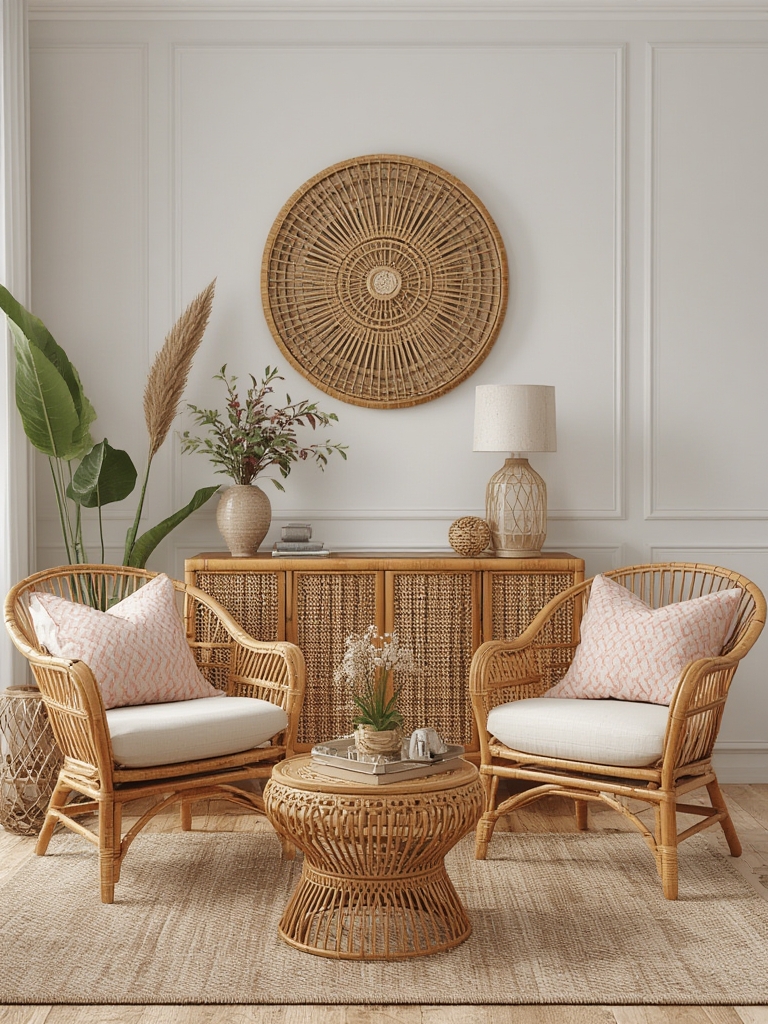
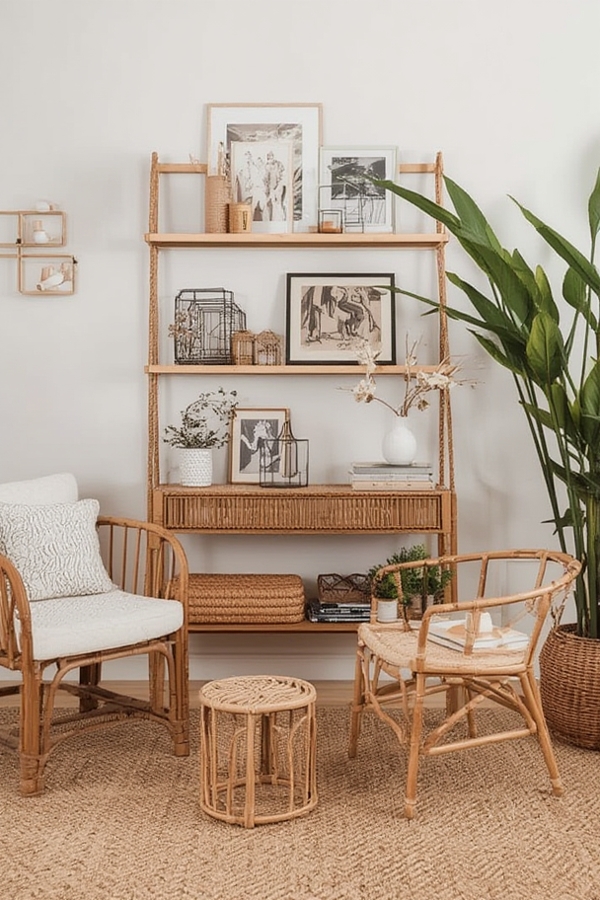
Rattan and cane furniture have become the go‑to accent pieces for homeowners who crave a blend of natural warmth, lightweight durability, and timeless style. Whether you’re dressing up a minimalist loft or adding texture to a cozy cottage, these woven wonders can instantly elevate any space. Below you’ll find a data‑driven guide that walks you through selecting, styling, and caring for rattan and cane accents—plus a practical “grow‑or‑care” section for those who want to nurture the source plant itself.
Why Rattan & Cane Remain Home‑Decor Staples
According to a 2023 interior‑design market report, sales of natural‑fiber furniture grew 12% year‑over‑year, outpacing synthetic alternatives. The surge is driven by three key factors:
- Eco‑friendly appeal: Rattan (a climbing palm) and cane (a type of bamboo) are renewable, biodegradable, and harvested with minimal impact.
- Lightweight strength: The hollow, tubular structure gives a high strength‑to‑weight ratio, making pieces easy to move without sacrificing durability.
- Versatile aesthetics: From boho‑chic to modern minimalism, the natural grain adds texture while blending seamlessly with wood, metal, or glass.
Choosing the Perfect Accent Pieces
1. Identify Your Space’s Needs
Start by measuring the area where you plan to place the accent. A quick rule of thumb is to keep the piece under 30% of the floor space to avoid visual clutter.
2. Match the Style Vocabulary
Use data from Google Trends (2022‑2024) to see which keywords are popular in your region. For example, “mid‑century rattan side table” spikes in urban markets, while “cane woven wall art” trends in suburban areas. Align your purchase with these trends to boost both visual harmony and resale value.
3. Check Construction Quality
- Weave tightness: A tighter weave resists sagging.
- Joint reinforcement: Look for metal or wooden dowels at stress points.
- Finish: Natural oil finishes protect against moisture; avoid heavy varnish that can crack.
Styling Tips That Convert Look‑Into‑Love
Layer Textures
Pair rattan or cane pieces with plush cushions, linen throws, or a woven rug. The contrast of smooth fabrics against the natural grain creates depth and invites Instagram‑ready shots.
Play With Color
While the natural hue is a safe bet, a white‑washed or charcoal‑stained finish can modernize the look. Use a color‑palette generator (e.g., Adobe Color) to ensure complementary tones across your décor.
Strategic Placement
- Living room: A rattan side table beside a sofa offers a convenient surface without overwhelming the seating arrangement.
- Bedroom: Cane bedside lamps or a small woven basket for linens add subtle texture.
- Outdoor patio: Choose UV‑treated rattan to resist sun fading; pair with weather‑resistant cushions.
Caring for Rattan & Cane Furniture
Step‑by‑Step Maintenance Routine
- Dust weekly: Use a soft microfiber cloth or a feather duster. Avoid abrasive sponges that can fray fibers.
- Spot‑clean monthly: Mix
1 part mild dish soapwith4 parts warm water. Dampen a cloth, wipe the area, then dry with a clean towel. - Condition quarterly: Apply a natural oil (e.g., tung oil or linseed oil) using a soft brush. Let it soak for 15 minutes, then wipe excess. This restores luster and adds a moisture barrier.
- Protect from extremes: Keep pieces away from direct sunlight, heating vents, or damp basements. UV rays cause discoloration; excess humidity encourages mold.
- Repair promptly: If a strand snaps, use a thin wooden dowel and wood glue to re‑secure. For larger damage, a professional rattan restorer can replace sections without compromising aesthetics.
Quick Troubleshooting Guide
| Issue | Cause | Solution |
|---|---|---|
| Yellowing | UV exposure | Apply a UV‑protective spray; relocate out of direct sun. |
| Dry, brittle fibers | Lack of moisture | Lightly mist with water and re‑oil. |
| Mold spots | High humidity | Wipe with diluted vinegar (1:4); improve airflow. |
Growing & Caring for the Rattan Plant (Optional for Green‑Thumbs)
Step 1: Choose the Right Species
Most furniture uses Calamus rotang (true rattan). It thrives in warm, humid climates (USDA zones 9‑11). If you live outside these zones, consider a container setup indoors with supplemental heat.
Step 2: Soil & Potting
- Soil mix: 40% peat moss, 30% perlite, 30% coconut coir for excellent drainage and moisture retention.
- Pot size: Choose a pot at least 20 L (5 gal) with drainage holes. Rattan roots spread horizontally, so a shallow, wide pot works best.
Step 3: Light & Temperature
Provide bright, indirect sunlight—ideally 4–6 hours daily. Maintain temperatures between 70–85 °F (21–29 °C). Use a grow light if natural light is insufficient.
Step 4: Watering Schedule
- Check soil moisture 2 cm deep; water when the top feels dry.
- Water thoroughly until water drains from the bottom—this encourages deep root growth.
- Reduce watering in winter (by ~30%) to mimic the plant’s natural dormancy.
Step 5: Feeding & Pruning
- Fertilizer: Apply a balanced 10‑10‑10 liquid fertilizer every 6 weeks during the growing season.
- Pruning: Trim any dead or yellowing stems to promote new growth. Use clean, sharp scissors to avoid damaging the vine.
Step 6: Harvesting (If You’re Ambitious)
After 3–5 years, mature stems can be harvested. Cut the cane at the base, strip the outer bark, and let it air‑dry for 2–3 weeks before weaving. Always follow local regulations regarding sustainable harvesting.
Maintenance Checklist (Print‑Friendly)
- 🗹 Dust weekly
- 🗹 Spot‑clean monthly
- 🗹 Condition quarterly
- 🗹 Rotate pieces every 6 months to prevent uneven wear
- 🗹 Inspect for cracks or loose joints after moving
- 🗹 For plant owners: water when top 2 cm of soil is dry; fertilize every 6 weeks
SEO‑Friendly Recap for WordPress
When publishing this post, follow these quick steps to boost discoverability:
- Set the focus keyword to “rattan and cane furniture accent pieces”.
- Include the keyword in the first 150 characters, at least one H2, and naturally throughout the content.
- Upload a high‑resolution image of a rattan side table, add
alt=”rattan side table accent piece”. - Enable schema markup for “Article” and add a “How‑to” schema for the care steps.
- Link to authoritative sources (e.g., USDA plant hardiness map, interior‑design market report) for credibility.
By selecting the right pieces, styling them thoughtfully, and maintaining both the furniture and the source plant, you’ll enjoy a lasting, eco‑friendly accent that keeps your home fresh and inviting for years to come.
