
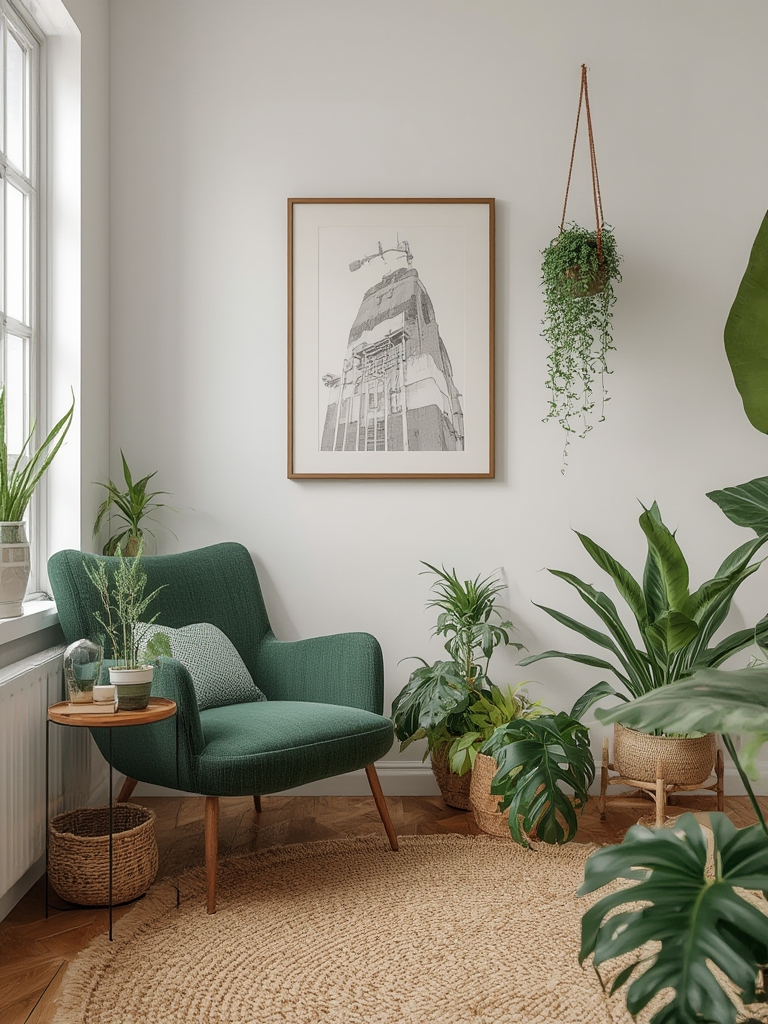
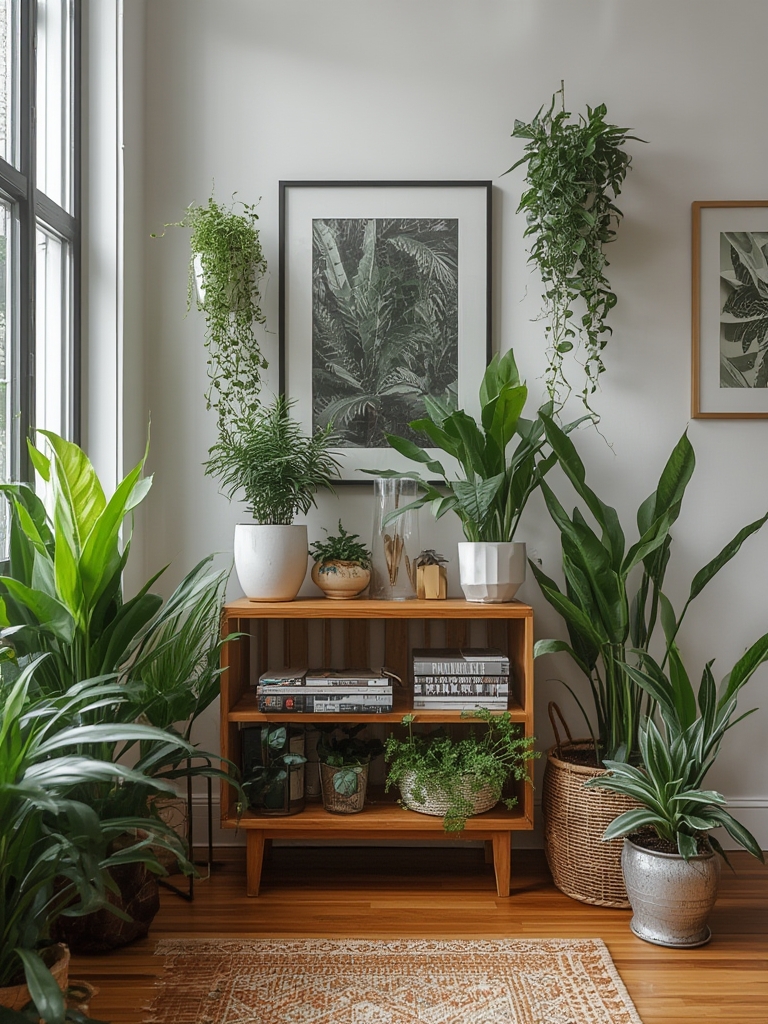
Welcome to the ultimate guide for turning a modest apartment into a thriving urban jungle. Whether you’re a city dweller with limited space or a plant‑enthusiast looking to boost your home’s aesthetic, this data‑driven roadmap will help you select, place, and care for the perfect foliage lineup. By following the actionable steps below, you’ll not only improve indoor air quality (NASA’s Clean Air Study shows certain houseplants can remove up to 87% of volatile organic compounds) but also boost your SEO‑friendly interior design content with eye‑catching visuals.
1. Choose the Right Jungle Plants for Small Spaces
Start with a curated list of low‑maintenance, space‑efficient species that thrive in typical apartment conditions (average temperature 68‑75°F, indirect light, and humidity 40‑60%). Use the table to compare key metrics:
| Plant | Light Needs | Water Frequency | Growth Rate | Air‑Purifying Score |
|---|---|---|---|---|
| ZZ Plant (Zamioculcas zamiifolia) | Low to bright indirect | Every 3‑4 weeks | Slow | High |
| Snake Plant (Sansevieria trifasciata) | Low to bright indirect | Every 2‑3 weeks | Slow | Very High |
| Pothos (Epipremnum aureum) | Low to bright indirect | When top 2 in. dry | Fast | Medium |
| Monstera Deliciosa | Bright indirect | Weekly | Medium | Medium |
| Philodendron Brasil | Medium indirect | When topsoil dry | Medium | Medium |
Actionable tip
Purchase plants from reputable local nurseries that provide a root health guarantee. Healthy roots = faster establishment and less pest risk.
2. Optimize Placement Using Light Mapping
Use a simple light‑mapping technique to decide where each plant belongs:
- Identify light zones: Divide your living area into three zones—low (no direct sun), medium (filtered light), and high (near windows).
- Match plants to zones: Place ZZ and Snake plants in low zones, Pothos on shelves that receive filtered light, and Monstera in medium‑high zones.
- Rotate weekly: Turn pots 90° every 7 days to ensure even growth and prevent one‑sided leaning.
Practical tip
Attach a small lux meter (or a smartphone app) to a wall near each zone. Aim for 100‑300 lux in low zones and 500‑800 lux in medium zones. Adjust curtains or add a grow light accordingly.
3. Master Watering with the “Finger Test” and Data‑Driven Scheduling
Over‑watering is the #1 cause of indoor plant death (according to a 2022 Houseplant Care Survey, 68% of beginners over‑water). Follow these steps:
- Finger test: Insert your index finger 2 inches into the soil. If it feels dry, water; if it feels moist, wait.
- Use a moisture meter: For precise data, set the meter to 30‑40% for succulents, 40‑60% for tropical foliage.
- Schedule reminders: Create calendar events based on each plant’s water frequency (e.g., “Water ZZ Plant – every 21 days”).
Actionable tip
Water with room‑temperature water and let it sit for 24 hours to dissipate chlorine, which can stress foliage.
4. Boost Humidity Without a Dehumidifier
Most tropical jungle plants thrive at 50‑70% humidity. In dry apartments (especially winter), raise humidity with these low‑cost hacks:
- Pebble trays: Fill a shallow tray with pebbles, add water just below the pebble surface, and place pots on top.
- Misting schedule: Lightly mist leaves once a day using a spray bottle; avoid over‑misting to prevent fungal issues.
- Group plants: Cluster 3‑5 plants together; transpiration creates a micro‑climate that naturally raises humidity.
Quick tip
Place a hygrometer near your plant cluster. If humidity dips below 45%, add a second pebble tray or run a humidifier for 15 minutes.
5. Feed Your Jungle with the Right Fertilizer Timing
Balanced nutrition fuels healthy growth and vibrant foliage. Follow this evidence‑based feeding plan:
- Spring & Summer (growth phase): Apply a 20‑20‑20 liquid fertilizer diluted to ¼ strength every 4 weeks.
- Fall (maintenance): Reduce to every 6‑8 weeks.
- Winter (dormant): Skip fertilizing; excess nutrients can cause root burn.
Pro tip
Use a slow‑release granular fertilizer (e.g., Osmocote) for low‑maintenance plants like ZZ and Snake. It releases nutrients over 3‑4 months, reducing the risk of over‑feeding.
6. Prune, Propagate, and Keep Your Jungle Neat
Regular pruning encourages bushier growth and prevents oversized plants from crowding limited spaces.
- Prune monthly: Trim yellowing leaves with clean shears; cut back leggy stems to just above a node.
- Propagate cuttings: Place 4‑6 in. stem cuttings in water; change water every 2 days. Roots usually appear in 7‑14 days.
- Re‑pot annually: In spring, move plants to a pot 1‑2 in. larger with fresh, well‑draining potting mix (e.g., peat‑coconut coir blend).
Actionable tip
Label each pot with the plant name and last watering date using a waterproof marker. This simple habit cuts down on confusion and improves care consistency.
7. Leverage SEO‑Friendly Visuals for Your Blog
To make your WordPress post rank higher and attract more readers, embed optimized images and meta data:
- File names: Use descriptive names like
urban-jungle-zz-plant.jpg. - Alt text: Write concise, keyword‑rich descriptions (e.g., “ZZ plant thriving in low‑light apartment corner”).
- Image size: Compress images to under 150 KB using tools like TinyPNG to improve page load speed.
Quick SEO tip
Include a short FAQ schema at the end of the post (e.g., “How often should I water a Snake Plant?”) to increase chances of appearing in Google’s featured snippets.
8. Track Success with Simple Metrics
Measure the health of your urban jungle and the impact of your blog using these key performance indicators (KPIs):
- Plant health score: Rate each plant monthly on a 1‑5 scale (leaf color, new growth, pest presence). Aim for an average >4.
- Engagement metrics: Monitor WordPress stats—page views, average time on page, and bounce rate. Target a 3‑minute average read time.
- Social shares: Encourage readers to share photos of their own apartment jungles; track hashtag usage (#UrbanJungleHome).
Actionable tip
Set up a Google Sheet with columns for plant name, watering date, fertilizing date, and health score. Review the sheet weekly to spot trends and adjust care routines.
By following this data‑driven, step‑by‑step framework, you’ll create a lush, Instagram‑ready urban jungle that not only beautifies your apartment but also supports healthier indoor air and boosts your blog’s SEO performance. Happy planting!
