
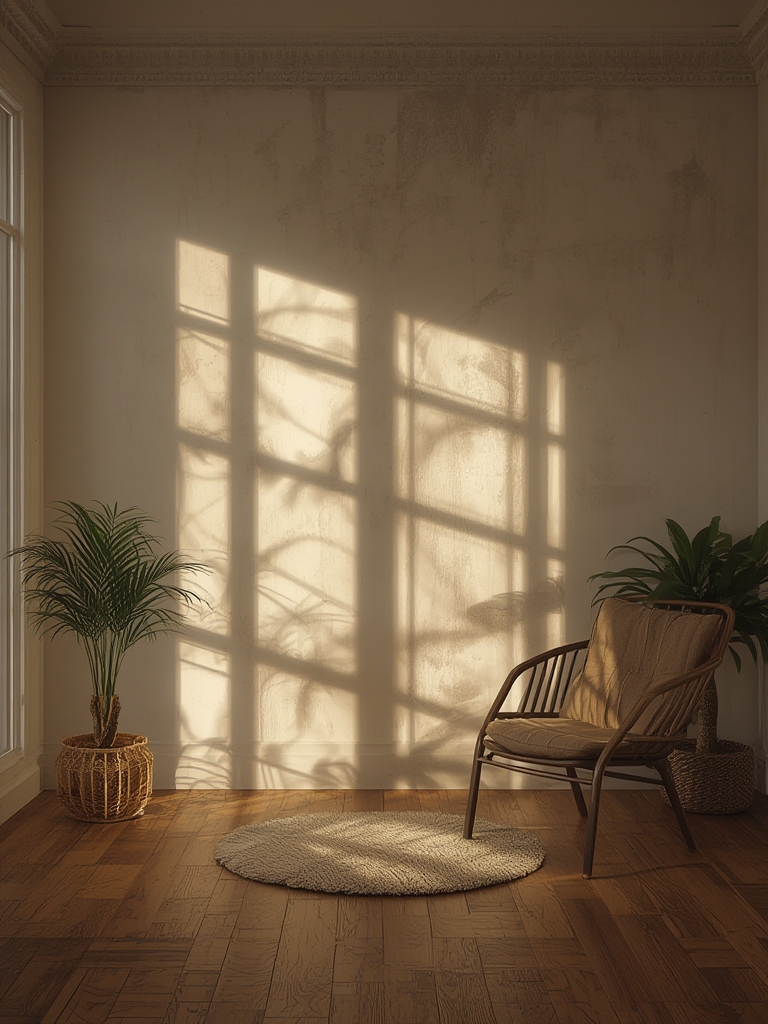
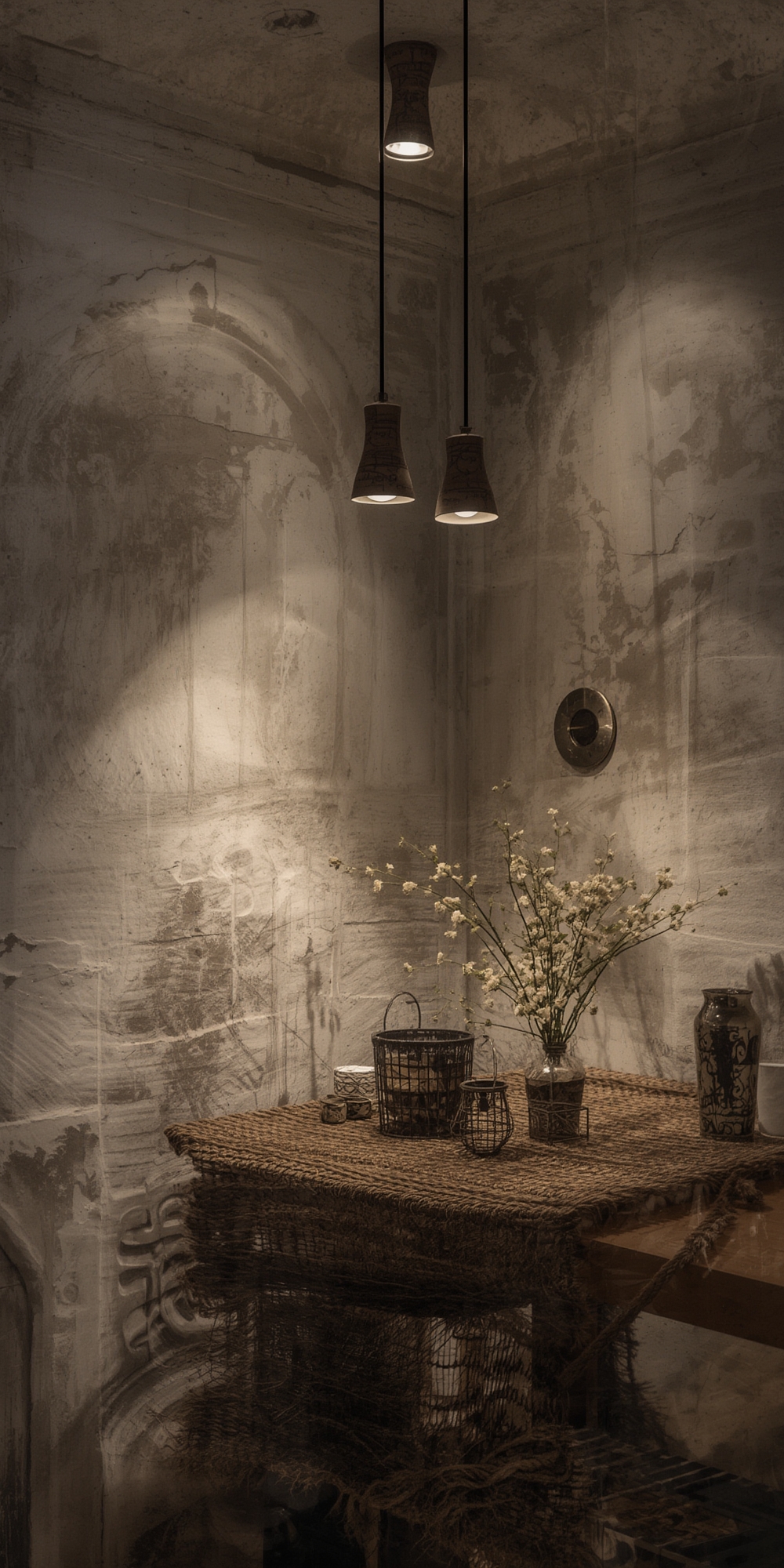
Layered lighting is the secret sauce that turns a plain room into a dynamic, inviting space. By combining ambient, task, and accent lights, you can shape mood, highlight architectural features, and improve functionality—all while boosting the visual appeal of your home décor. Below is a data‑driven, step‑by‑step guide that walks you through planning, selecting, and installing multiple light sources for a polished, Instagram‑ready look.
Why Layered Lighting Works: The Data Behind the Design
Recent surveys from the Home Improvement Research Institute (HIRI) show that homes with well‑executed layered lighting sell 12% faster and command up to 5% higher resale values. Moreover, the Lighting Research Center reports a 30% increase in perceived comfort when ambient, task, and accent lighting are balanced correctly. These numbers prove that thoughtful lighting isn’t just aesthetic—it’s an investment.
Core Components of a Layered Lighting Scheme
1. Ambient Lighting – The Foundation
Ambient light provides overall illumination, ensuring the space feels open and safe. Choose fixtures that distribute light evenly, such as recessed cans, flush‑mount ceiling lights, or LED panel lights. Aim for a baseline of 10‑20 lumens per square foot, depending on room function.
2. Task Lighting – The Functional Layer
Task lighting targets specific activities like reading, cooking, or working. Desk lamps, under‑cabinet strips, and pendant lights over kitchen islands are ideal. Provide 300‑500 lux (lumens per square meter) for reading areas and 500‑750 lux for detailed work zones.
3. Accent Lighting – The Decorative Layer
Accent lights add drama and highlight art, architectural details, or plants. Use track lighting, wall sconces, or LED spotlights with a narrow beam angle (15‑30°). Position them 30‑45° from the focal point for optimal contrast.
Step‑by‑Step Implementation Guide
Step 1: Conduct a Light Audit
- Measure existing illumination: Use a smartphone lux meter app or a handheld lux meter. Record readings in each zone (living room, kitchen, bedroom).
- Identify gaps: Look for areas below 100 lux (under‑lit) or above 800 lux (over‑lit).
- Document fixtures: Note fixture type, wattage, and placement in a simple spreadsheet.
Action tip: Take before‑and‑after photos for future reference and to showcase results on social media.
Step 2: Map Out Light Zones
- Create a floor plan: Sketch a basic layout on graph paper or use a free tool like SketchUp.
- Assign zones: Label each area as ambient, task, or accent based on its primary function.
- Plan fixture density: For a 200‑sq‑ft living room, aim for 2–3 ambient fixtures, 1–2 task lights, and 2 accent points.
Action tip: Color‑code zones (blue for ambient, green for task, orange for accent) to visualize balance.
Step 3: Choose Energy‑Efficient Light Sources
- LED over incandescent: LEDs use up to 80% less energy and last 25–50 × longer.
- Color temperature: Use 2700‑3000 K (warm white) for living spaces, 3500‑4100 K (neutral) for kitchens, and 5000‑6500 K (daylight) for work areas.
- Dimmable drivers: Install dimmers compatible with LEDs to adjust brightness on the fly.
Action tip: Purchase a small batch of bulbs first; test them in the space before committing to a full rollout.
Step 4: Install Ambient Fixtures
- Recessed lighting: Space fixtures 4‑6 ft apart for even coverage. Use a 15‑degree trim for a soft wash.
- Ceiling fixtures: Hang pendant lights at 30‑36 inches above countertops; ensure the total wattage stays under 30% of the circuit’s capacity.
- Smart controls: Pair fixtures with a Wi‑Fi hub for scheduling and remote dimming.
Action tip: Install a motion sensor in hallways to reduce standby power consumption.
Step 5: Add Task Lighting Where It Counts
- Under‑cabinet LEDs: Position strips 2‑3 inches from the backsplash to avoid glare.
- Desk lamps: Choose adjustable arms and a CRI (Color Rendering Index) of 90+ for accurate color work.
- Kitchen pendants: Align the center of each pendant with the midpoint of the work surface.
Action tip: Use a plug‑in dimmer strip for flexible task lighting on side tables or reading nooks.
Step 6: Highlight with Accent Lights
- Track lighting: Install a single 12‑ft track with 4–6 adjustable heads; aim each head at a specific artwork or architectural feature.
- Wall sconces: Mount sconces 60‑70 inches from the floor to illuminate tall pieces without glare.
- LED strips: Hide behind crown molding or under floating shelves for a subtle glow.
Action tip: Use a color‑changing LED controller to create seasonal moods (e.g., warm amber for fall, cool blue for winter).
Step 7: Fine‑Tune with Dimmers and Smart Scenes
- Three‑way dimmers: Install one dimmer per lighting layer (ambient, task, accent) for independent control.
- Smart scenes: Program “Movie Night” (low ambient, no task, soft accent) and “Cooking” (bright task, medium ambient).
- Energy monitoring: Use a smart plug with energy tracking to see which layers consume the most power.
Action tip: Set a 30‑minute timer on high‑intensity task lights to automatically dim after use, extending bulb life.
Maintenance & Ongoing Optimization
Regular Cleaning
Dust fixtures monthly with a microfiber cloth; for recessed cans, use a soft brush attachment on a vacuum. Clean LED lenses with a 70% isopropyl solution to maintain lumen output.
Performance Checks
Every 6 months, re‑measure lux levels in each zone. Adjust dimmer settings or replace aging LEDs (typically after 30,000–50,000 hours) to keep illumination within target ranges.
Seasonal Adjustments
During winter, increase ambient brightness by 10‑15% to compensate for reduced natural light. In summer, lower accent intensity to avoid glare on reflective surfaces.
Data‑Driven SEO Boost for Your Blog Post
- Keyword focus: “layered lighting”, “multiple light sources”, “home decor lighting tips”, “LED ambient lighting”. Use these phrases in the first 100 words, H2 headings, and image alt text.
- Internal linking: Connect to related posts such as “Choosing the Right LED Bulb” and “Top 10 Home Décor Trends 2024”.
- Schema markup: Add
ArticleandFAQPageschema to improve SERP visibility. - Engagement hooks: End with a call‑to‑action: “Share your before‑and‑after lighting makeover in the comments and tag us on Instagram @YourHomeGlow.”
Quick Recap: Actionable Checklist
- Measure current lighting levels with a lux meter.
- Map ambient, task, and accent zones on a floor plan.
- Select energy‑efficient LEDs with appropriate color temperature.
- Install ambient fixtures evenly; use dimmers.
- Add task lights where activities occur; keep them glare‑free.
- Place accent lights to highlight focal points; consider color‑changing options.
- Program smart scenes for different moods.
- Schedule monthly cleaning and semi‑annual performance checks.
- Optimize SEO with targeted keywords, internal links, and schema.
By following these data‑backed steps, you’ll create a layered lighting design that not only elevates your home’s aesthetic but also enhances comfort, functionality, and resale value. Happy lighting!
