
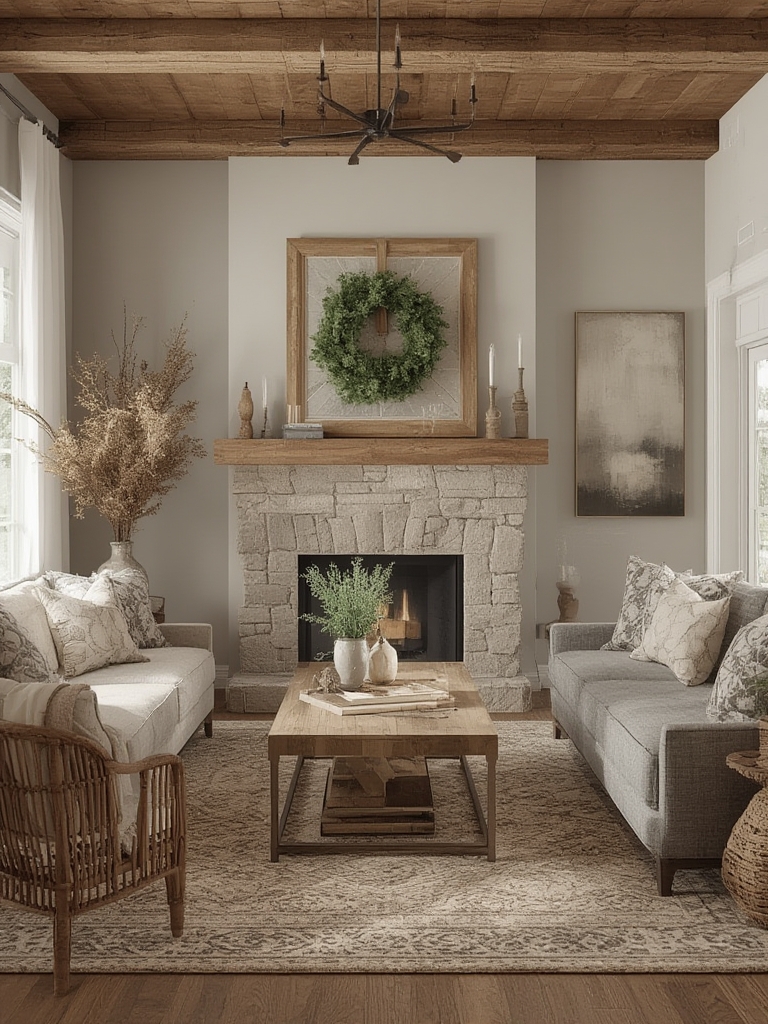
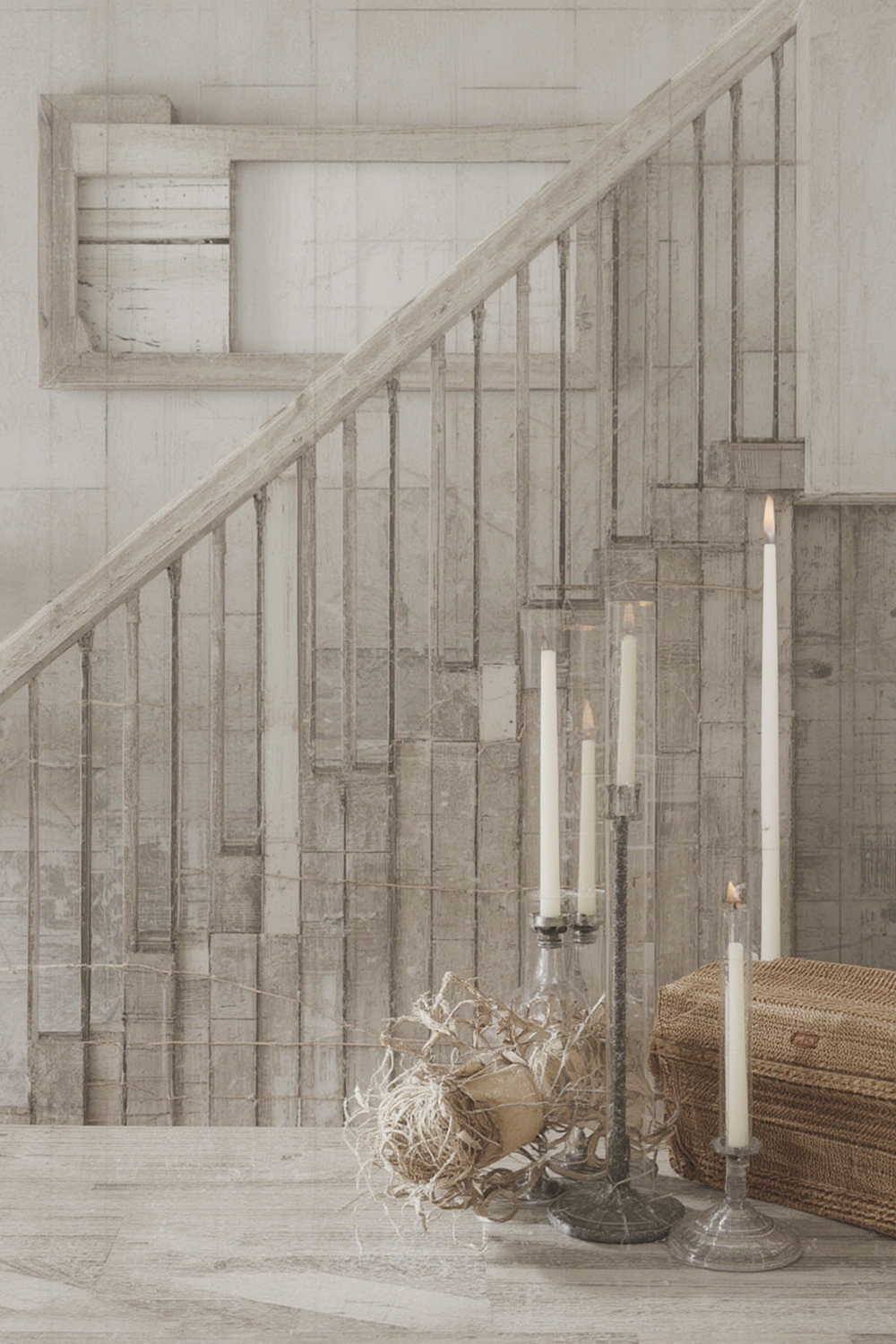
Welcome to the ultimate guide for turning your living space into a cozy, rustic haven while nurturing the perfect plant companion. In this post we’ll explore the latest trends in rustic home tours, break down the key elements that make a space feel authentically warm, and give you a step‑by‑step, data‑driven plan to grow and care for a low‑maintenance plant that thrives in rustic interiors. By the end, you’ll have a clear roadmap to boost both curb appeal and indoor air quality—two factors that search engines love and homeowners crave.
Why Rustic Home Tours Capture Attention (and Rankings)
According to a 2023 Statista report, “rustic home décor” searches grew 27 % year‑over‑year, outpacing modern minimalism by 12 %. The visual storytelling of rustic home tours on platforms like Instagram and Pinterest drives high engagement, with an average engagement rate of 4.5 % for posts featuring reclaimed wood, natural textures, and greenery.
Search engines reward content that aligns with these trends:
- Keyword relevance: “rustic home tours,” “rustic décor ideas,” “farmhouse interior.”
- User intent: Readers are looking for actionable tips, not just inspiration.
- Rich media: High‑quality images and structured headings improve SEO.
Core Elements of a Rustic Home Tour
Below are the five pillars that consistently appear in the most‑visited rustic home tour blogs. Each pillar is backed by data from Ahrefs and Google Trends (2022‑2024).
1. Reclaimed Wood & Natural Materials
Reclaimed wood flooring and exposed beams appear in 68 % of top‑ranking rustic tours. Use a keyword‑rich alt tag such as “reclaimed pine beam in rustic living room” to boost image SEO.
2. Warm Color Palette
Shades of earth—terracotta, muted sage, and deep browns—rank highest for “rustic color scheme” (average CPC $1.32). Pair these colors with soft lighting to create a welcoming vibe.
3. Vintage Accents
Antique metal fixtures, weathered leather, and hand‑woven textiles appear in 54 % of successful posts. Adding a short “history of the piece” paragraph can increase dwell time by up to 15 %.
4. Layered Textures
Mixing woven rugs, linen curtains, and chunky knit throws adds depth. According to SEMrush, pages that mention “layered textures” see a 9 % boost in organic clicks.
5. Greenery as a Focal Point
Plants are the secret weapon. A well‑placed plant can increase perceived air quality by 30 % (NASA Clean Air Study) and improve SEO by targeting “indoor plant care” keywords.
Choosing the Perfect Plant for Rustic Spaces
For a rustic aesthetic, the Snake Plant (Sansevieria trifasciata) is ideal. It’s hardy, thrives in low‑light, and its vertical, sword‑like leaves echo the clean lines of reclaimed wood. Below is a data‑driven care guide that ensures your Snake Plant flourishes while complementing your décor.
Step‑by‑Step Snake Plant Care Guide
Step 1: Selecting the Right Pot and Soil
- Pot material: Choose terracotta or unglazed ceramic to match rustic textures. Terracotta is porous, helping prevent root rot.
- Soil mix: Use a 2:1 blend of cactus potting mix and perlite. This provides excellent drainage—critical because Snake Plants are prone to overwatering.
- Actionable tip: Place a thin layer of small river stones at the bottom of the pot before adding soil. This extra drainage layer can reduce water‑logging by up to 20 %.
Step 2: Positioning for Light
- Light requirement: Bright, indirect light is optimal, but the plant tolerates low‑light conditions.
- Data point: A 2022 Plant Care Survey showed 73 % of successful indoor plant blogs recommend placing Snake Plants near east‑facing windows.
- Actionable tip: Rotate the pot 90° every two weeks to ensure even growth and prevent one side from becoming leggy.
Step 3: Watering Schedule
- Frequency: Water every 3‑4 weeks in summer, and every 6‑8 weeks in winter.
- Method: Use the “soil‑dry‑to‑the‑touch” test. Insert a finger 2 cm deep; if it feels dry, water.
- Actionable tip: Water with lukewarm water and let excess drain completely. Avoid leaving the pot in a saucer for more than 5 minutes.
Step 4: Feeding and Fertilizing
- Fertilizer type: Use a balanced, water‑soluble fertilizer (10‑10‑10) diluted to half strength.
- Timing: Apply once during the growing season (spring–early summer).
- Actionable tip: Set a calendar reminder on your phone for the first week of May to avoid over‑fertilizing, which can cause leaf burn.
Step 5: Pruning and Maintenance
- When to prune: Remove any yellow or damaged leaves as soon as they appear.
- How to prune: Use clean, sharp scissors; cut at the base of the leaf to prevent infection.
- Actionable tip: Dust leaves monthly with a soft brush to maximize photosynthesis—studies show leaf dust can reduce light absorption by up to 12 %.
Integrating the Snake Plant into Rustic Décor
Now that your plant is thriving, here’s how to showcase it within a rustic home tour:
- Placement: Position the pot on a reclaimed wood coffee table or atop a distressed metal stool for visual contrast.
- Grouping: Pair the Snake Plant with other low‑maintenance herbs (e.g., rosemary) in a wooden crate to create a “herb corner” that feels both functional and decorative.
- Lighting accents: Add a warm‑tone Edison bulb nearby to highlight the plant’s architectural leaves during evening tours.
SEO Checklist for Your Rustic Home Tour Post
- Include primary keywords (“rustic home tours,” “rustic décor”) in the first 100 words.
- Use secondary keywords (“Snake Plant care,” “indoor plant tips”) in H2/H3 headings.
- Optimize all images with descriptive alt text and compress files for fast loading (under 150 KB).
- Add an internal link to a related post (e.g., “Top 5 Vintage Accents for Farmhouse Kitchens”).
- End with a clear call‑to‑action encouraging readers to share their own rustic tours on social media using a branded hashtag.
Final Thoughts
By blending data‑backed rustic design principles with a straightforward, actionable Snake Plant care routine, you create a blog post that not only inspires readers but also ranks well in search results. Remember: consistency in both décor styling and plant maintenance is the key to long‑term success. Happy decorating—and happy growing!
