
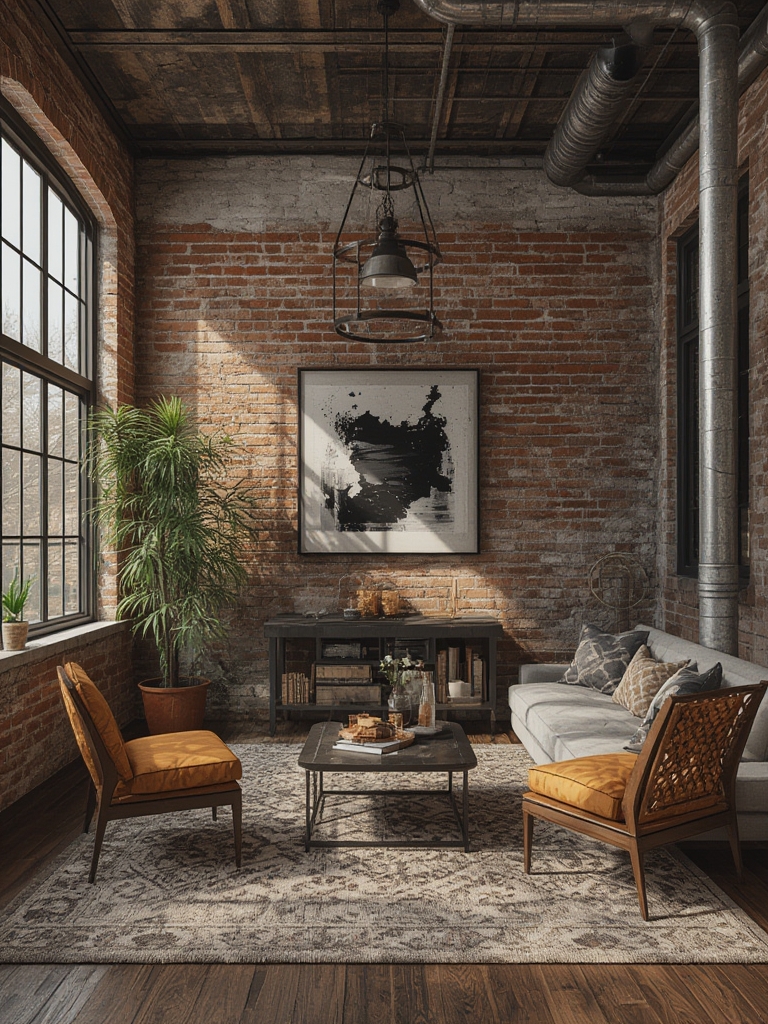
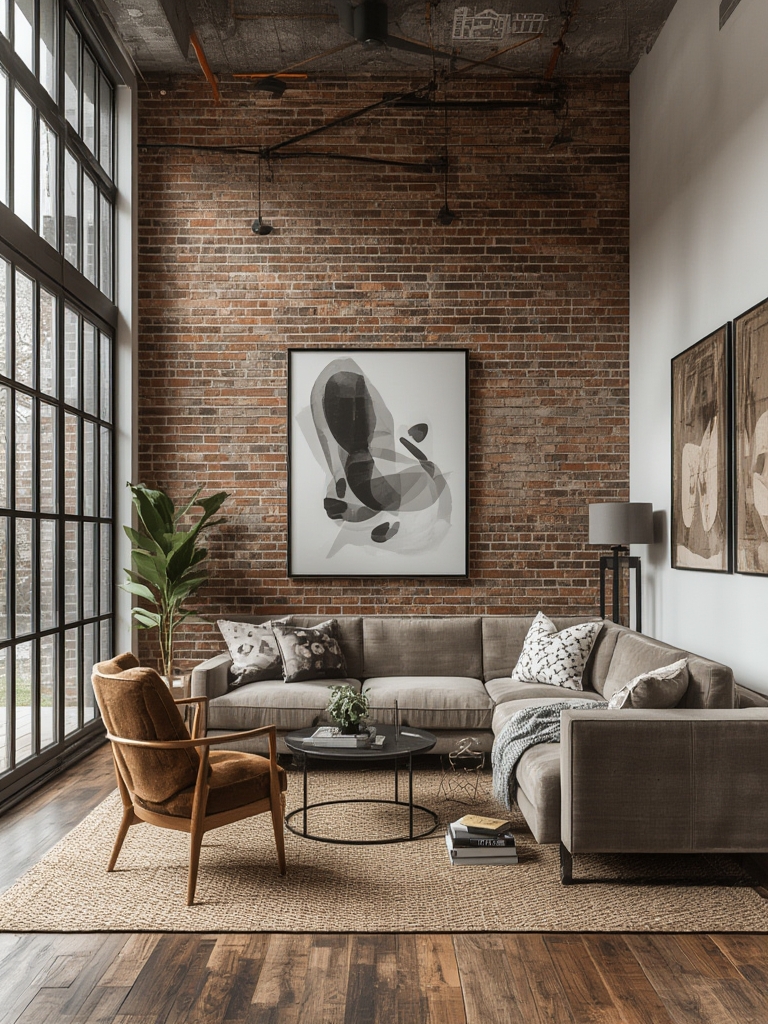
Industrial home interior design blends raw materials, exposed structures, and minimalist aesthetics to create a space that feels both edgy and inviting. When paired with the right greenery, the starkness of concrete, metal, and reclaimed wood softens, adding life without compromising the industrial vibe. This guide walks you through the core principles of industrial décor, helps you pick the perfect low‑maintenance plant, and provides a step‑by‑step care routine—using the resilient Snake Plant—as a practical example. Follow the actionable tips below to elevate your industrial interior while keeping your foliage thriving.
Understanding the Industrial Aesthetic
Key Elements of Industrial Design
Industrial interiors are defined by four main components: exposed brick or concrete walls, visible ductwork and piping, reclaimed wood accents, and metal fixtures such as steel beams or pipe shelving. Neutral color palettes—think charcoal, slate, and rust—anchor the space, while large, unfussy windows invite natural light. Furniture typically features raw finishes, reclaimed wood tables, and leather or metal seating. By focusing on texture and form rather than ornamentation, the style creates a spacious, loft‑like atmosphere that feels both modern and timeless.
Why Plants Matter in Industrial Spaces
Plants introduce organic texture, improve air quality, and break up the hardness of metal and concrete. A well‑chosen plant can echo the industrial palette—think deep greens against dark metal—while adding a subtle pop of color. Moreover, greenery creates a psychological balance, reducing the perceived coldness of raw materials and fostering a sense of comfort. For SEO‑focused content, keywords like “industrial interior plants” and “low‑maintenance greenery for lofts” attract readers searching for practical décor solutions.
Choosing the Right Plant for an Industrial Home
Top Low‑Maintenance Picks
When space is limited and lighting varies, opt for plants that tolerate low light, irregular watering, and temperature fluctuations. Popular choices include:
- Snake Plant (Sansevieria)
- ZZ Plant (Zamioculcas zamiifolia)
- Rubber Plant (Ficus elastica)
- Monstera deliciosa
- Philodendron ‘Xanadu’
These species thrive in the indirect light typical of loft apartments and require minimal upkeep—perfect for busy homeowners and SEO articles targeting “easy indoor plants for industrial décor.”
Spotlight: Snake Plant (Sansevieria)
The Snake Plant stands out for its architectural leaves, which echo the linear lines of industrial design. Its tolerance for low light, drought resistance, and air‑purifying qualities make it a go‑to choice. Additionally, its upright, sword‑like foliage complements metal shelving and concrete walls, reinforcing the aesthetic while delivering practical benefits.
Step‑by‑Step Guide to Growing and Caring for Your Snake Plant
Step 1 – Selecting the Perfect Pot and Soil
Choose a pot with drainage holes to prevent root rot. Concrete or matte black ceramic containers enhance the industrial look. Use a well‑draining cactus or succulent mix (approximately 50% sand, 30% peat, 20% perlite). This composition mimics the plant’s native arid environment and reduces water retention, a crucial tip for avoiding overwatering.
Step 2 – Light Requirements
Snake plants tolerate low to bright indirect light. Position the plant near a north‑facing window or a few feet from a large industrial‑style window with filtered sunlight. If natural light is scarce, a cool‑white LED grow light for 6–8 hours a day maintains vigor without altering the room’s aesthetic.
Step 3 – Watering Schedule
Water only when the top 2 inches of soil feel dry—typically every 3‑4 weeks in winter and every 2 weeks in summer. Use the “soak and dry” method: water thoroughly until it drains, then let the soil dry completely before the next watering. This routine prevents root rot and aligns with the plant’s drought‑tolerant nature.
Step 4 – Feeding and Fertilizing
Feed once during the growing season (spring to early fall) with a balanced, water‑soluble fertilizer diluted to half strength. Over‑fertilizing can cause soft, leggy growth that clashes with the crisp industrial vibe. Skip fertilization in winter when the plant’s growth naturally slows.
Step 5 – Pruning and Repotting
Remove any yellowed or damaged leaves using clean, sharp scissors to maintain a tidy appearance. Repot every 2‑3 years or when the plant outgrows its container, choosing a pot 1‑2 inches larger. Refresh the soil mix during repotting to restore optimal drainage and nutrient balance.
Styling Tips: Integrating the Plant into Industrial Interiors
Placement Strategies
Group Snake Plants in clusters on metal shelving or reclaimed wood consoles to create a focal point. Position them on the floor beside concrete pillars for a dramatic vertical line, or hang them in matte black macramé planters for a loft‑style touch. Ensure each placement respects the plant’s light needs while enhancing the room’s geometry.
Pairing with Industrial Materials
Combine the plant’s deep green leaves with raw metal frames, exposed brick backdrops, and distressed wood tables. Use neutral-colored pots—concrete gray, rusted copper, or matte black—to blend seamlessly with surrounding fixtures. This cohesive approach reinforces the industrial theme while allowing the plant to serve as a subtle accent.
Seasonal Adjustments
During winter, move the plant slightly closer to a light source to compensate for shorter days. In summer, rotate the pot 90° every few weeks to ensure even growth and prevent one side from leaning toward the window. These small actions keep the plant healthy and maintain visual balance throughout the year.
SEO Checklist for Your Industrial Design Blog Post
Keyword Placement
Incorporate primary keywords—“industrial home interior design,” “industrial interior plants,” and “Snake Plant care”—in the first 100 words, H2 headings, and naturally throughout the content. Use LSI (Latent Semantic Indexing) terms such as “loft décor,” “raw metal accents,” and “low‑maintenance indoor plants” to broaden relevance.
Meta Description and Alt Text
Write a concise meta description (150‑160 characters) that includes the main keyword and a call‑to‑action, e.g., “Discover how to style industrial interiors with the perfect low‑maintenance Snake Plant—step‑by‑step care guide included.” Add descriptive alt text to every image, e.g., “Snake Plant in matte black concrete pot on reclaimed wood shelf, industrial interior.” This boosts accessibility and search rankings.
Internal & External Links
Link to related posts on your site, such as “Top 5 Plants for Loft Apartments” or “How to Choose Industrial Lighting.” Include an external link to a reputable horticultural source (e.g., the Royal Horticultural Society) for credibility. Use anchor text that naturally incorporates secondary keywords.
By following these design principles, plant‑care steps, and SEO tactics, you’ll create an industrial interior that feels alive and inviting while attracting organic traffic to your WordPress blog. Happy styling—and happy growing!
