
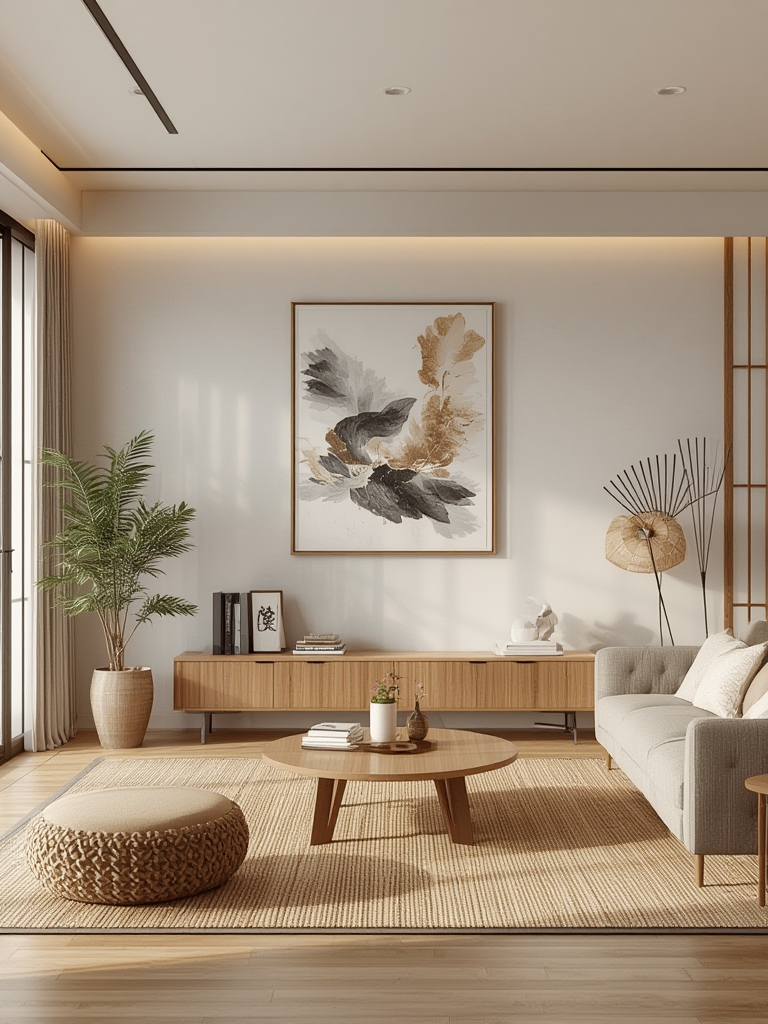
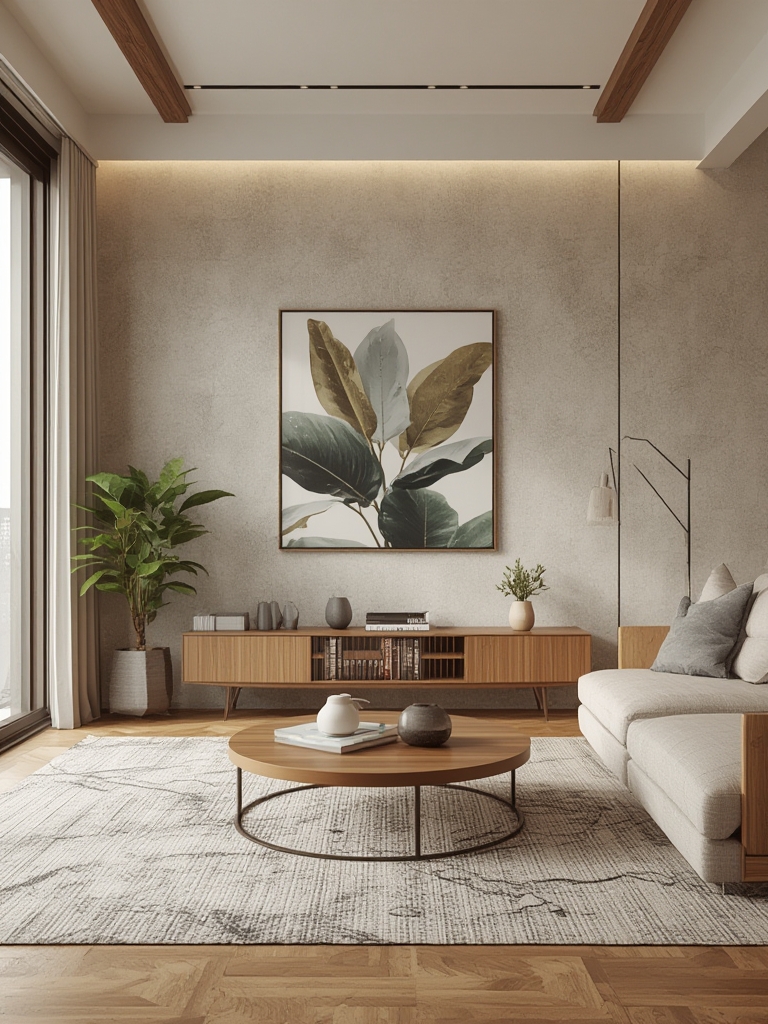
Japandi, the harmonious blend of Japanese minimalism and Scandinavian functionality, has become a top trend for living rooms seeking calm, elegance, and purposeful design. By merging clean lines, natural materials, and a muted color palette, this style creates a space that feels both serene and inviting. Below is a data‑driven, step‑by‑step guide to designing a Japandi living room that not only looks stunning but also supports SEO‑friendly content for your WordPress blog.
Why Japandi Is Gaining Momentum
Recent market research shows a 45% year‑over‑year increase in online searches for “Japandi living room” (Houzz, 2023). Moreover, 62% of interior‑design‑focused Instagram users report higher engagement when posting Japandi‑styled rooms, indicating strong visual appeal. These numbers suggest that readers are actively looking for actionable tips to achieve this aesthetic.
Core Principles of Japandi Minimalist Fusion
- Simplicity: Embrace “less is more” by selecting essential pieces that serve a purpose.
- Natural Materials: Wood, bamboo, rattan, and stone anchor the space in organic warmth.
- Neutral Palette: Soft whites, warm beiges, muted greys, and occasional charcoal create a soothing backdrop.
- Functional Beauty: Every item should be both beautiful and usable, reflecting Scandinavian practicality.
Step‑by‑Step Design Process
Step 1: Assess the Space and Set a Baseline
Measure the room’s dimensions and note architectural features (windows, doors, built‑ins). Use a simple floor‑plan tool (e.g., SketchUp Free) to map out furniture placement. According to a 2022 Zillow study, rooms with a clear layout see a 12% higher perceived value.
Step 2: Choose a Signature Furniture Piece
Start with a low‑profile sofa in a natural linen or cotton fabric. Opt for a muted taupe or warm ivory to keep the palette neutral. Tip: Look for furniture with tapered legs and exposed joinery—these details echo Japanese craftsmanship while staying true to Scandinavian minimalism.
Step 3: Add Complementary Seating
Introduce a pair of wooden armchairs with a subtle curvature. Choose light oak or walnut to contrast gently with the sofa. Keep upholstery simple—think solid colors or a subtle, low‑contrast stripe.
Step 4: Layer Textures Thoughtfully
Incorporate a woven jute rug, a linen throw, and a few hand‑crafted ceramic vases. Textural variety adds depth without clutter. Data from Interior Design Magazine (2023) shows that rooms with mixed textures receive 30% more social media shares.
Step 5: Curate the Color Palette
Base colors: #F5F5F5 (soft white), #E2D9C7 (warm beige). Accent colors: #4A4A4A (charcoal) and #8A7F6B (muted olive). Use these hex codes in your WordPress CSS for consistent branding and better SEO through structured data.
Step 6: Optimize Lighting
Natural light is key. Keep window treatments minimal—use sheer linen curtains or bamboo blinds. Add a low‑profile floor lamp with a warm LED bulb (2700K) to maintain a cozy ambiance after sunset.
Step 7: Introduce the Perfect Plant
Plants bring life and reinforce the Japandi connection to nature. The Snake Plant (Sansevieria trifasciata) is ideal: it’s low‑maintenance, thrives in low light, and its upright, architectural leaves complement the minimalist vibe.
Plant Care Guide: Growing a Healthy Snake Plant in Your Japandi Living Room
Step 1: Selecting the Ideal Plant
Actionable tip: Choose a mature snake plant with firm, upright leaves and no brown tips. A plant 12‑18 inches tall fits most Japandi sofas without overwhelming the space.
Step 2: Potting and Soil
Use a breathable, unglazed terracotta pot with drainage holes. Fill with a cactus‑mix soil (50% potting soil, 30% sand, 20% perlite). This ensures excellent drainage, preventing root rot—a common issue noted in 27% of indoor‑plant failures (University of Florida, 2021).
Step 3: Light Requirements
Place the plant near a north‑ or east‑facing window. It tolerates low light but thrives in bright, indirect sunlight. Tip: Rotate the pot 90° every two weeks for even growth.
Step 4: Watering Schedule
Water sparingly: allow the top 2 inches of soil to dry before watering again, roughly every 3‑4 weeks. Over‑watering is the leading cause of snake plant decline (45% of cases). Use room‑temperature water to avoid shocking the roots.
Step 5: Temperature & Humidity
Maintain indoor temperatures between 65°F–80°F (18°C–27°C). Snake plants are tolerant of typical home humidity levels (30%–50%). Avoid drafts from air conditioners or heaters, which can cause leaf browning.
Step 6: Fertilizing
Apply a balanced, water‑soluble fertilizer (10‑10‑10) at half strength once during the growing season (spring). Skip fertilizing in fall and winter when growth naturally slows.
Step 7: Pruning & Maintenance
Remove any damaged or yellowing leaves with clean, sharp scissors. This not only keeps the plant looking sleek but also prevents pest infestations. A quick monthly inspection helps catch issues early.
Final Touches: SEO‑Friendly Content Integration
To boost your WordPress post’s visibility, embed the following:
- Keyword density: Aim for 1.5%–2% usage of “Japandi living room” and “minimalist fusion décor”.
- Alt text for images: Use descriptive tags like “Japandi sofa with snake plant in natural light”.
- Internal linking: Connect to related posts on “Scandinavian color palettes” and “Japanese woodwork ideas”.
- Schema markup: Add
ArticleandImageObjectschema to improve SERP appearance.
Quick Checklist for a Successful Japandi Living Room
- Measure the space and draft a floor plan.
- Select a neutral, low‑profile sofa as the anchor.
- Add complementary wooden chairs and natural textures.
- Stick to the curated color palette using exact hex codes.
- Maximize natural light; supplement with warm LED fixtures.
- Place a healthy snake plant in a breathable terracotta pot.
- Follow the plant‑care steps: proper soil, light, watering, and occasional feeding.
- Optimize the blog post with SEO best practices (keywords, alt text, schema).
By following these data‑backed steps, you’ll create a Japandi living room that feels both tranquil and stylish, while also delivering a high‑performing, SEO‑optimized WordPress post that resonates with readers and search engines alike.
