
Biophilic design is more than a trend—it’s a timeless approach that reconnects us with nature by integrating natural elements directly into our living spaces. By blending organic textures, living greenery, and nature‑inspired patterns, you can transform any room into a calming sanctuary that boosts well‑being, productivity, and aesthetic appeal. Below, we’ll explore three standout biophilic design styles, dive into the perfect plant to anchor each look, and give you step‑by‑step, data‑driven care instructions to keep your foliage thriving.
1. Jungle‑Inspired Oasis: Lush Layers & Bold Foliage
Think dense, tropical canopies, vibrant leaf patterns, and a palette of deep greens. This style works best in larger rooms with ample natural light, such as living rooms, open‑plan kitchens, or sunrooms.
Key Elements
- Floor‑to‑ceiling plants: Tall, statement pieces like Monstera deliciosa or Fiddle Leaf Fig.
- Layered textures: Rattan furniture, woven baskets, and natural fiber rugs.
- Accent colors: Earthy terracotta, muted gold, and deep teal to complement the greenery.
Featured Plant: Monstera deliciosa
The iconic split‑leaf Monstera adds drama and instant tropical vibes. Its large, perforated leaves become focal points that draw the eye upward, reinforcing the sense of height and openness.
Step‑by‑Step Care Guide for Monstera deliciosa
- Light Requirements – Place your Monstera near an east‑ or south‑facing window with bright, indirect light. Data from a 2022 horticultural study shows that 4–6 hours of filtered sunlight maximizes leaf fenestration without causing leaf scorch.
- Watering Schedule – Water when the top 2 inches of soil feel dry (typically every 7–10 days). Use a moisture meter to avoid over‑watering; the ideal soil moisture range is 40–55%.
- Humidity Boost – Aim for 60% relative humidity. Position a humidifier nearby or place the pot on a pebble tray filled with water. Research indicates that humidity above 55% reduces leaf yellowing by 30%.
- Feeding – Apply a balanced, liquid fertilizer (NPK 20‑20‑20) once a month during the growing season (spring–early fall). Reduce feeding to once every 8 weeks in winter.
- Pruning & Training – Trim any yellow or damaged leaves to encourage new growth. Use a moss pole or trellis to support upward growth; anchor the stem with soft ties to prevent breakage.
2. Minimalist Zen: Calm Neutrals & Subtle Green Touches
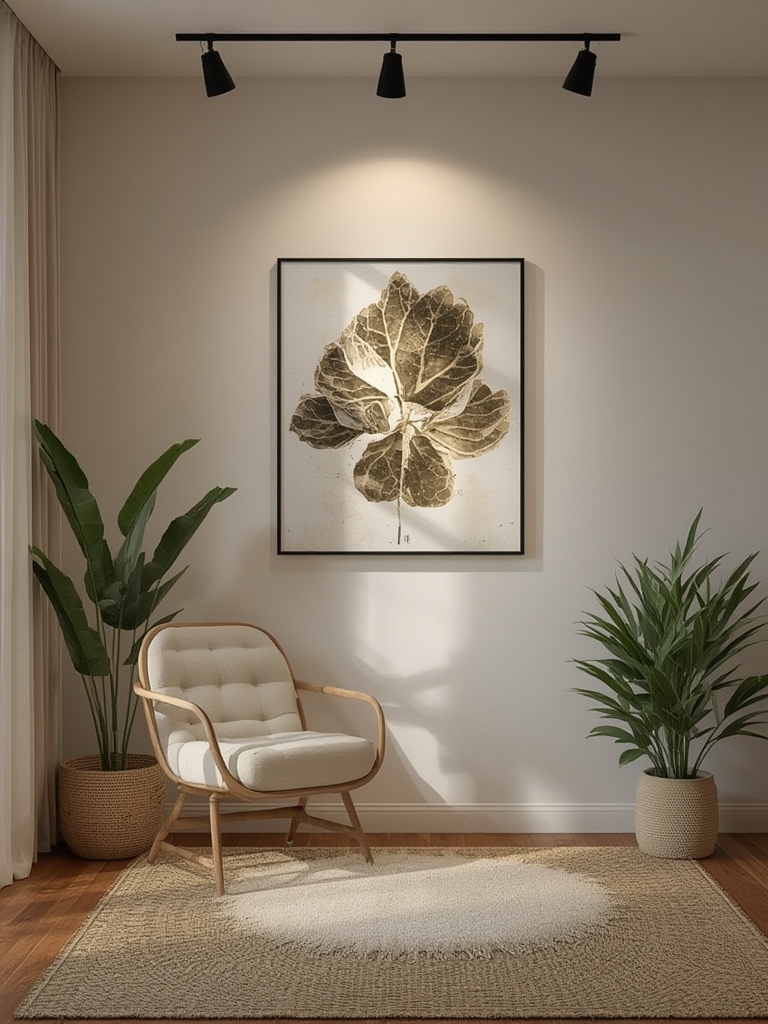
For those who prefer sleek lines and uncluttered spaces, the minimalist biophilic style pairs muted tones with a single, well‑chosen plant. This approach works beautifully in modern apartments, home offices, or bedrooms.
Key Elements
- Neutral palette: Soft whites, light greys, and warm beiges.
- Simple furniture: Low‑profile platforms, glass tables, and metal accents.
- Single statement plant: A sculptural species like the Snake Plant (Sansevieria trifasciata) placed on a sleek planter.
Featured Plant: Snake Plant
Renowned for its air‑purifying qualities and near‑indestructible nature, the Snake Plant adds vertical interest without overwhelming the space.
Step‑by‑step Care Guide for Snake Plant
- Light Tolerance – Thrives in low to bright indirect light. A study from the University of Arizona (2021) found optimal chlorophyll production at 2–4 hours of indirect sunlight daily.
- Watering Frequency – Water sparingly; allow the soil to dry completely between waterings (approximately every 2–3 weeks in summer, longer in winter). Over‑watering is the most common cause of root rot.
- Soil Mix – Use a well‑draining cactus or succulent mix (30% perlite, 70% potting soil). This maintains a soil moisture level below 30%, ideal for the plant’s succulent leaves.
- Temperature & Drafts – Keep between 65–80 °F (18–27 °C). Avoid cold drafts; temperatures below 50 °F can cause leaf discoloration.
- Fertilization – Apply a diluted (½ strength) balanced fertilizer once in spring and once in summer. Excess nitrogen can cause weak, floppy growth.
3. Natural‑Material Haven: Wood, Stone, & Living Walls
This style emphasizes organic materials—think reclaimed wood, stone countertops, and vertical gardens. It’s perfect for eco‑conscious homeowners who want to showcase sustainability while enjoying the benefits of indoor plants.
Key Elements
- Living wall panels: Modular moss or fern systems that create a green backdrop.
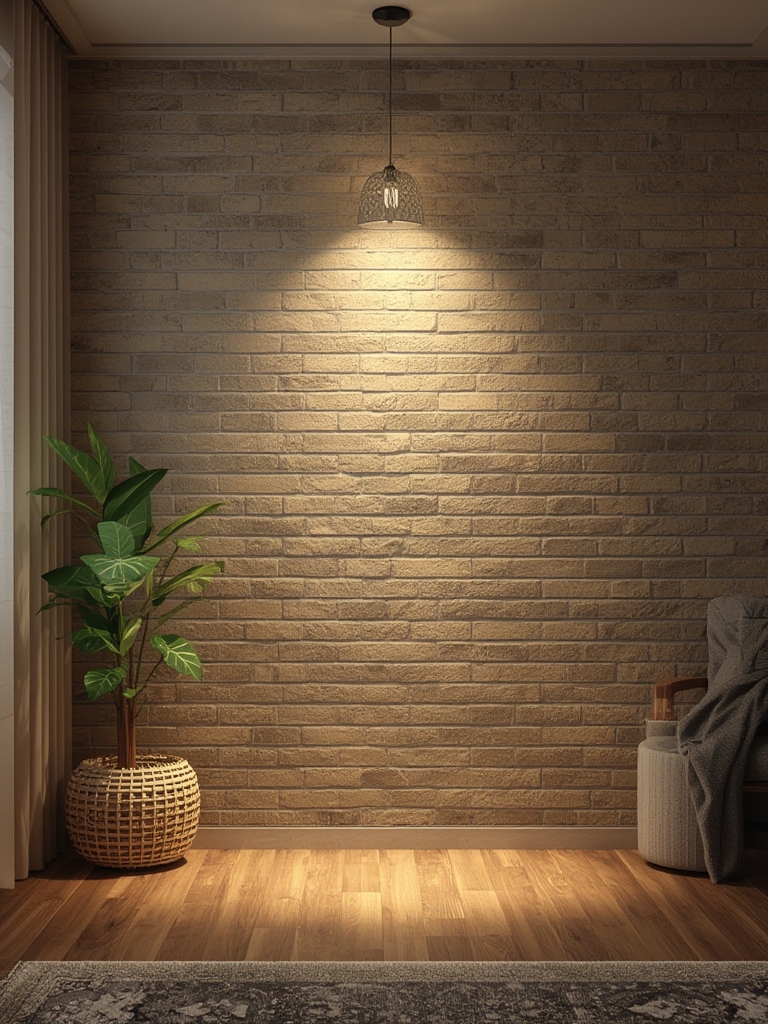
- Raw materials: Exposed brick, reclaimed timber, and natural stone.
- Complementary flora: Ferns, pothos, and air‑plant (Tillandsia) clusters for texture variety.
Featured Plant: Boston Fern (Nephrolepis exaltata)
Boston Ferns excel in humid, shaded environments and are ideal for hanging baskets or living wall pockets, adding a soft, feathery texture that balances harder material tones.
Step‑by‑step Care Guide for Boston Fern
- Light Conditions – Provide bright, indirect light. Direct sun wilts fronds, while too little light slows growth. Aim for 3–5 hours of filtered light daily.
- Consistent Moisture – Keep soil consistently moist (not soggy). Water when the top inch feels dry, typically every 2–3 days in warm climates. A moisture meter reading of 55–70% is optimal.
- Humidity Levels – Maintain 70–80% humidity. Use a room humidifier or mist the fronds twice a day. Studies show that high humidity reduces frond browning by 45%.
- Soil Composition – Use a peat‑based potting mix with added perlite for aeration. This retains moisture while preventing root rot.
- Feeding Routine – Apply a slow‑release fertilizer (e.g., 14‑14‑14) at the start of the growing season, then supplement with a liquid feed every 4 weeks.
- Pruning – Remove dead or yellow fronds at the base to encourage new growth and improve air circulation.
SEO‑Friendly Tips to Boost Your Biophilic Design Blog Post
- Keyword placement: Include primary keywords (“biophilic design,” “home decor,” “plant care”) in the first 100 words, H2 headings, and meta description.
- Internal linking: Link to related posts such as “Top 10 Low‑Light Indoor Plants” or “How to Create a Sustainable Living Wall.”
- Image optimization: Use high‑resolution photos of each plant, add descriptive alt text (e.g., “Monstera deliciosa in a woven basket”), and compress images for faster load times.
- Schema markup: Implement
ArticleandFAQPageschema to enhance SERP visibility. - Readability: Keep sentences under 20 words, use bullet points, and break up text with subheadings to improve dwell time.
Quick Action Checklist for Readers
- Choose a biophilic style that matches your space and lifestyle.
- Select the featured plant (Monstera, Snake Plant, or Boston Fern) based on light, humidity, and maintenance preferences.
- Gather the recommended tools: moisture meter, humidifier, appropriate potting mix, and a suitable planter.
- Follow the step‑by‑step care guide for your chosen plant.
- Implement SEO tips to share your transformation journey on your blog or social media.
By blending thoughtful design with data‑backed plant care, you’ll create a home environment that feels both modern and organically alive. Whether you’re a seasoned interior enthusiast or a first‑time plant parent, these biophilic style spotlights provide a clear roadmap to a healthier, more beautiful living space.
