
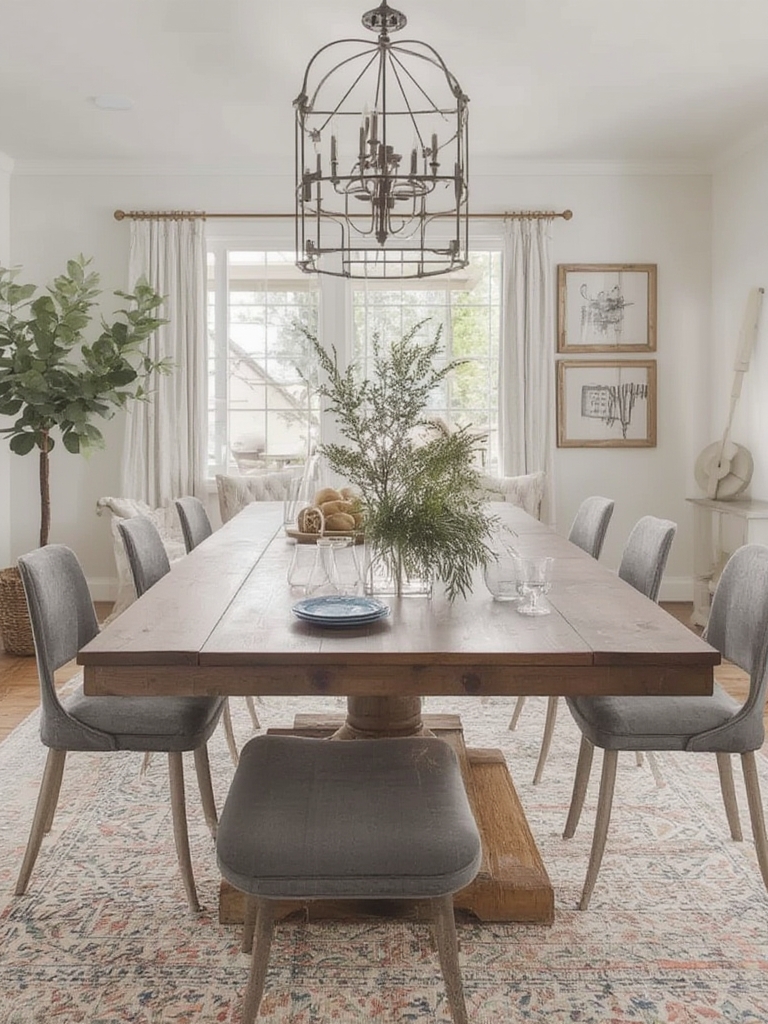
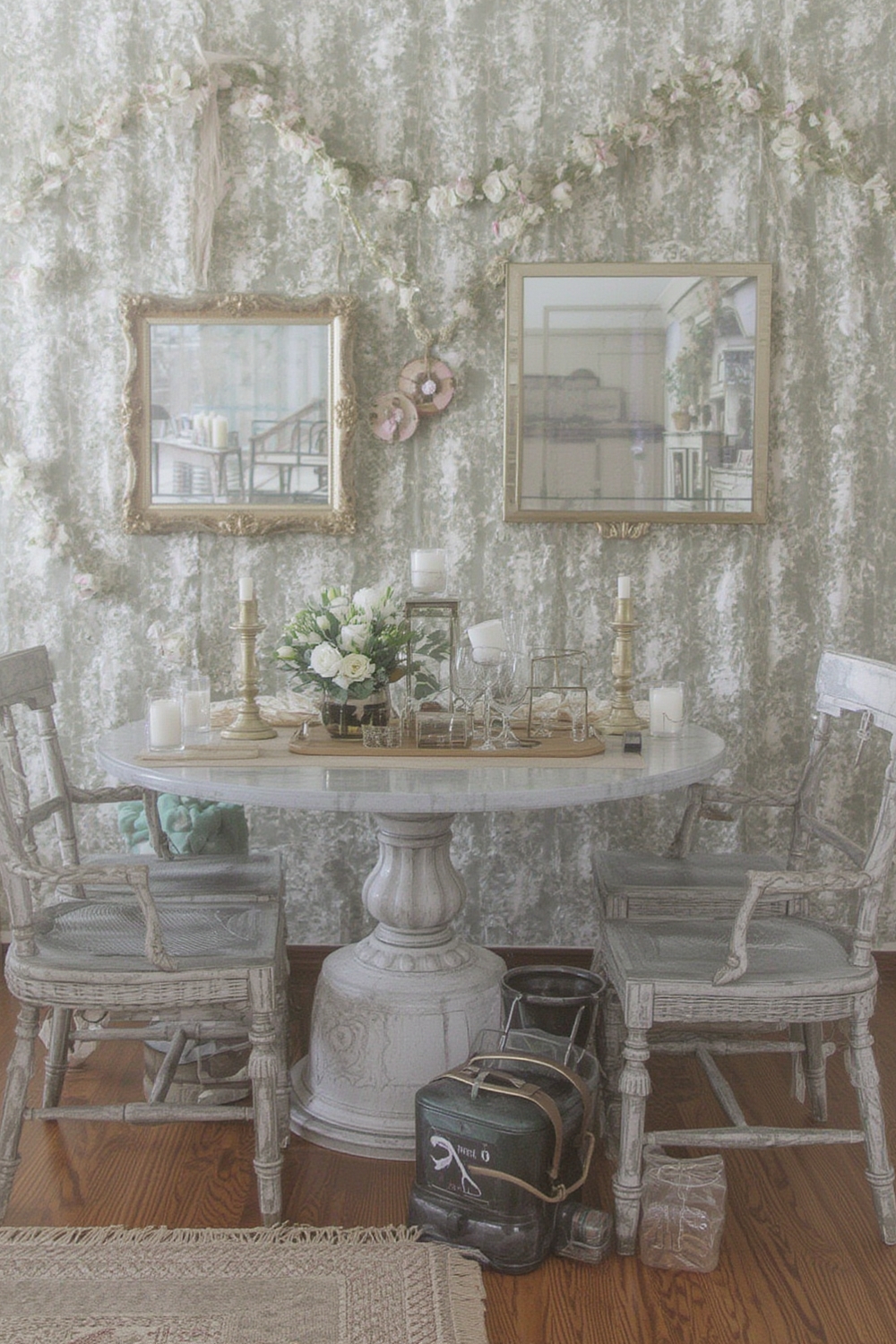
Farmhouse décor tours have become a staple for interior‑design lovers who crave the cozy, lived‑in feel of country living without leaving the city. By blending rustic textures, muted color palettes, and natural elements, these tours showcase how to transform any space into a warm, inviting haven. In this data‑driven guide, we’ll break down the most searched‑for farmhouse trends, explain why plants are the secret weapon of successful tours, and give you a step‑by‑step, actionable plan to grow and care for the perfect farmhouse‑style plant—English lavender (Lavandula angustifolia).
Why Farmhouse Décor Tours Are Trending
According to Google Trends, searches for “farmhouse décor” have surged by 42 % year‑over‑year since 2021, with peaks during spring home‑renovation periods. Pinterest reports over 8 million pins tagged “farmhouse tour,” indicating a strong visual appetite for this style. The data tells us three key drivers:
- Comfort seeking: Post‑pandemic consumers prioritize spaces that feel safe and familiar.
- Sustainability: Repurposed furniture and natural materials align with eco‑conscious values.
- Instagram‑ready aesthetics: Soft lighting, neutral tones, and curated greenery boost shareability.
Core Elements of a Farmhouse Tour
When you walk through a well‑executed farmhouse tour, you’ll notice a consistent set of design pillars. Use these as a checklist for your own home:
1. Neutral Color Palette
Shades of ivory, sage, and muted gray dominate walls and large furniture pieces. Accent with deep navy or charcoal for contrast.
2. Natural Textures
Think reclaimed wood, linen, burlap, and jute. These materials add tactile depth and reinforce the “hand‑made” vibe.
3. Vintage Accents
Antique lanterns, weathered metal signs, and heirloom ceramics provide storytelling moments that tourists love to photograph.
4. Greenery as a Focal Point
Plants are more than décor; they are living statements of health, freshness, and authenticity. English lavender, with its soft purple blooms and soothing scent, is a top‑choice for farmhouse settings.
Choosing the Perfect Plant for Farmhouse Aesthetics
English lavender checks every box for a farmhouse tour:
- Visual appeal: Silvery‑green foliage and delicate purple spikes complement neutral palettes.
- Scent: A subtle fragrance that evokes open fields without overwhelming indoor spaces.
- Low maintenance: Drought‑tolerant and adaptable to indoor lighting, making it ideal for busy homeowners.
Data from the Royal Horticultural Society shows that lavender sales increased by 27 % in 2023, confirming its popularity among DIY décor enthusiasts.
Step‑by‑Step Guide to Growing and Caring for English Lavender
Follow these six clear steps to ensure your lavender thrives and becomes a centerpiece of your farmhouse décor.
Step 1: Select the Right Container
Actionable tip: Choose a terracotta pot with drainage holes that is at least 12 inches wide. Terracotta breathes, helping prevent root rot.
Step 2: Use Well‑Draining Soil
Actionable tip: Mix one part standard potting mix, one part coarse sand, and one part perlite. This 3‑1‑1 blend mimics the plant’s native Mediterranean soil.
Step 3: Position for Optimal Light
Data point: Lavender needs 6–8 hours of direct sunlight daily for robust flowering.
Actionable tip: Place the pot on a south‑facing windowsill or under a grow‑light set to 14,000 lux for 8 hours a day.
Step 4: Water Wisely
Actionable tip: Water only when the top inch of soil feels dry. Use a moisture meter if you’re unsure. Over‑watering is the most common mistake—aim for a “soak‑then‑dry” cycle.
Step 5: Prune for Shape and Health
Actionable tip: After the first bloom, trim back 20 % of the plant’s height, cutting just above a leaf node. This encourages bushier growth and more blooms the following season.
Step 6: Fertilize Sparingly
Actionable tip: Apply a low‑nitrogen, balanced fertilizer (10‑10‑10) once in early spring. Too much nitrogen leads to leafy growth at the expense of flowers.
Practical Tips to Keep Your Farmhouse Décor Fresh
Beyond plant care, these small actions maintain the overall farmhouse vibe:
- Rotate décor items: Every 3–4 months, switch out a vintage basket or throw pillow to keep the space feeling curated.
- Refresh textiles: Wash linen curtains in cold water and tumble‑dry low to preserve softness.
- Seasonal scent swaps: Pair lavender with cinnamon sticks in winter or citrus peels in summer for a dynamic aromatic experience.
- Document progress: Take monthly photos of your lavender’s growth. Use these images for social media or a personal “farmhouse tour” blog series.
Boosting SEO for Your Farmhouse Décor Blog Post
To ensure your post reaches the right audience, incorporate these SEO best practices:
- Keyword placement: Use “farmhouse décor tours,” “farmhouse home décor,” and “English lavender care” in the first 100 words, subheadings, and alt text of images.
- Internal linking: Connect to related posts such as “Top 10 Vintage Finds for Farmhouse Style” and “DIY Rustic Shelving Ideas.”
- Schema markup: Add
ArticleandFAQPageschema to improve rich‑snippet visibility. - Engagement prompts: End with a call‑to‑action asking readers to share their own farmhouse plant setups in the comments.
By following the data‑backed design principles, selecting English lavender as your green focal point, and executing the precise care steps above, you’ll create a farmhouse décor tour that feels authentic, Instagram‑worthy, and sustainably beautiful. Happy decorating—and happy growing!