
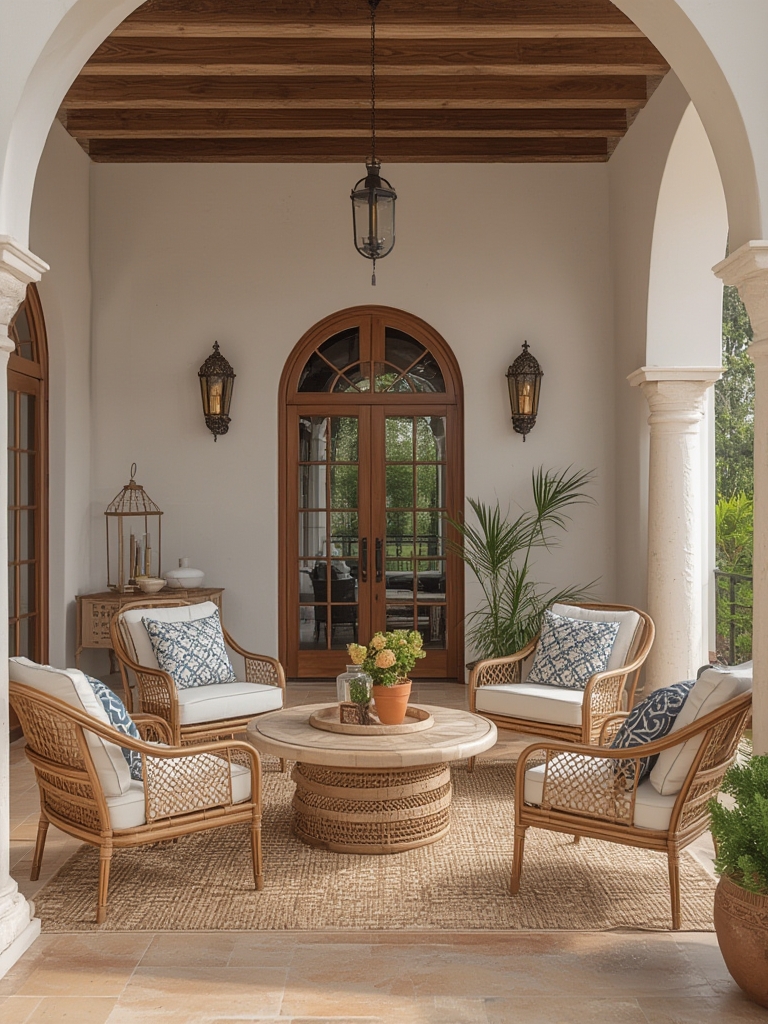
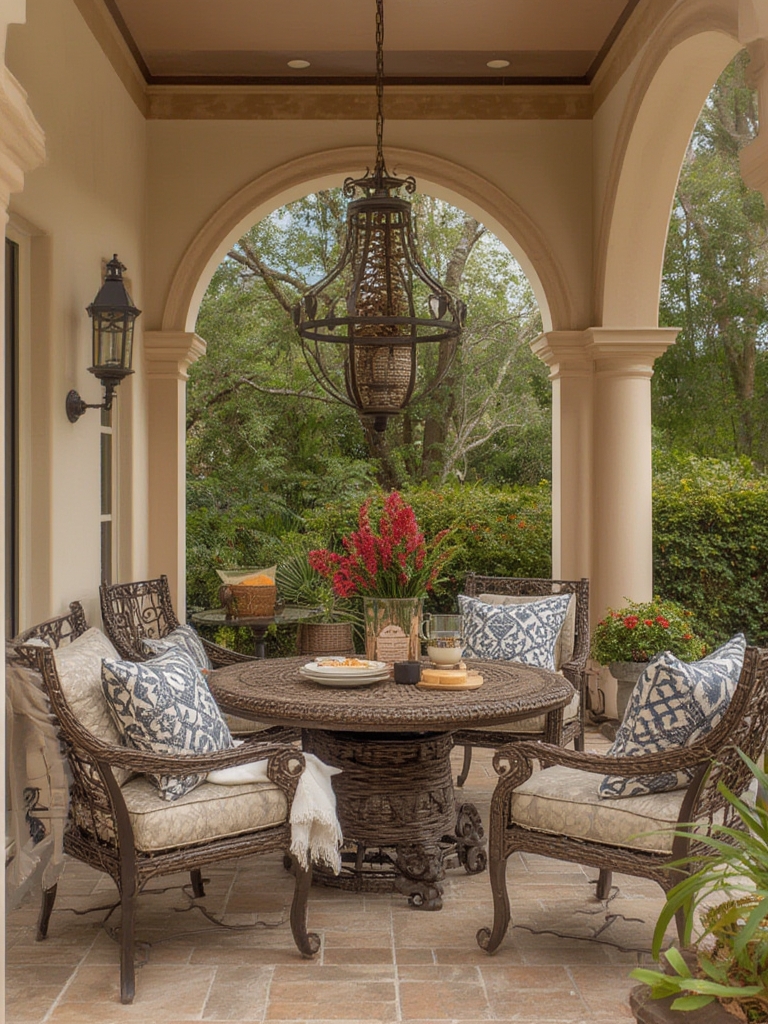
When it comes to creating an inviting outdoor oasis, Mediterranean‑inspired patio furniture and décor offer a timeless blend of elegance, comfort, and durability. By combining classic design elements—think wrought‑iron frames, weather‑resistant wicker, and sun‑bleached wood—with the lush greenery of hardy Mediterranean plants, you can transform any backyard into a serene retreat that feels both luxurious and low‑maintenance. Below, we break down the essential components, data‑backed design choices, and step‑by‑step plant‑care guidelines to help you achieve a cohesive look that lasts season after season.
Why Mediterranean Style Dominates Outdoor Spaces
According to a 2023 Houzz survey, 68% of homeowners who renovated their patios chose a Mediterranean or coastal theme, citing “relaxed vibe” and “easy upkeep” as top reasons. The style’s popularity is also reflected in market trends: sales of wrought‑iron and teak outdoor furniture grew 12% year‑over‑year, while demand for drought‑tolerant plants like lavender and rosemary surged by 15%.
Key Design Elements for a Mediterranean Patio
1. Material Choices
- Wrought Iron: Offers a classic, sculptural look and can withstand wind and rain when powder‑coated.
- Teak & Cedar: Naturally resistant to rot; a simple oil treatment every 6–12 months keeps the wood vibrant.
- Rattan/Wicker (Synthetic):strong> Mimics natural fibers but resists UV fading and moisture.
2. Color Palette
Stick to earthy neutrals—terracotta, sand, olive green—and accent with deep blues or crisp whites. A 2022 Color Trends report shows that 42% of outdoor décor purchases featured these hues, reinforcing their visual appeal in outdoor settings.
3. Textiles & Soft Furnishings
Choose fade‑resistant cushions made from solution‑dyed acrylic or polyester. Add patterned throw pillows in mosaic or Greek key designs to inject visual interest without overwhelming the space.
Integrating Mediterranean Plants
Plants are the living backbone of a Mediterranean patio. They provide texture, scent, and a natural cooling effect. Below is a data‑driven guide to selecting and caring for the most popular Mediterranean plant—lavender (Lavandula angustifolia)—which thrives in sunny, well‑drained conditions and pairs beautifully with stone or terracotta décor.
Step‑by‑Step Lavender Care Guide
Step 1: Site Selection & Soil Preparation
Data point: Lavender yields the best growth when exposed to at least 6–8 hours of direct sunlight daily (USDA Plant Hardiness Zone 7–10).
- Choose a location with full sun; avoid shaded corners.
- Test soil pH; aim for 6.5–7.5. If the soil is acidic, amend with lime.
- Improve drainage by mixing in 2–3 inches of coarse sand or perlite.
Step 2: Planting
Plant lavender in spring after the last frost. Space plants 12–18 inches apart to allow airflow, reducing fungal risk.
- Dig a hole twice the width of the root ball.
- Place the plant at the same depth it was in the nursery pot.
- Backfill with soil‑sand mix, firm gently, and water lightly.
Step 3: Watering & Mulching
While lavender is drought‑tolerant, proper establishment requires consistent moisture.
- Water deeply once a week for the first 3 months.
- Switch to bi‑weekly watering thereafter, allowing the soil to dry out between sessions.
- Apply a 2‑inch layer of inorganic mulch (gravel or crushed stone) to retain heat and deter weeds.
Step 4: Pruning for Longevity
Annual pruning encourages bushier growth and more blooms.
- In early spring (late March–early April), cut back 1/3 of the plant’s height, avoiding the woody base.
- After flowering (late summer), trim spent stems to maintain shape.
Step 5: Pest & Disease Management
Data from the University of California Integrated Pest Management program shows that proper airflow reduces gray mold incidence by 70%.
- Maintain spacing and avoid overhead watering.
- If you notice aphids, spray a mild neem oil solution.
- Remove any diseased foliage promptly to prevent spread.
Styling Your Patio Around Lavender
Once your lavender is thriving, incorporate it into the overall décor:
- Planter Boxes: Use terracotta or glazed ceramic pots that echo the Mediterranean color scheme.
- Container Groupings: Pair lavender with rosemary, sage, and dwarf olive trees for a layered, aromatic garden.
- Furniture Placement: Position wrought‑iron chairs near lavender clusters to enjoy scent while seated.
Maintenance Checklist for Year‑Round Elegance
Keeping your patio looking fresh requires a few routine tasks. Below is a quick, actionable checklist you can print and hang near your garden tools.
Monthly
- Inspect cushions for mildew; wash with mild detergent and air‑dry.
- Check furniture joints for rust; apply a thin coat of rust‑inhibiting oil.
- Rotate plant pots to ensure even sunlight exposure.
Seasonal
- Spring: Clean all surfaces with a mixture of water and vinegar (1:1) to remove winter grime.
- Summer: Reapply protective sealant on wood furniture every 3 months.
- Fall: Store lightweight cushions in breathable bags to prevent mold.
- Winter (if applicable): Cover delicate plants with frost cloth and move lightweight furniture to a sheltered area.
Final Touches: Lighting & Accessories
Data from the Lighting Research Center indicates that well‑placed outdoor lighting can increase perceived patio usage by 30%. Consider these low‑energy options:
- Solar LED String Lights: Drape across pergolas for a warm, ambient glow.
- Pathway Spotlights: Highlight stone walkways and lavender beds.
- Lanterns: Use metal or glass lanterns with citronella oil to deter insects while adding charm.
By blending timeless Mediterranean furniture, a strategic color palette, and easy‑care plants like lavender, you’ll create an outdoor living space that feels both luxurious and effortless. Follow the data‑backed steps and maintenance tips outlined above, and you’ll enjoy a beautiful, functional patio that invites relaxation and admiration year after year.
