
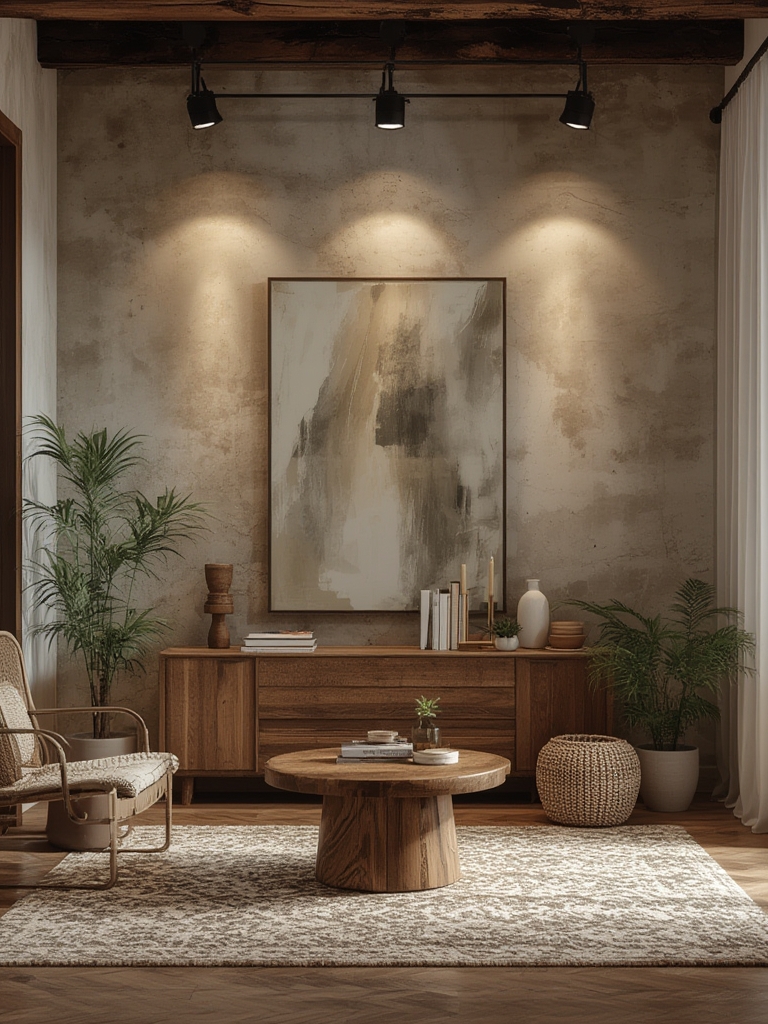
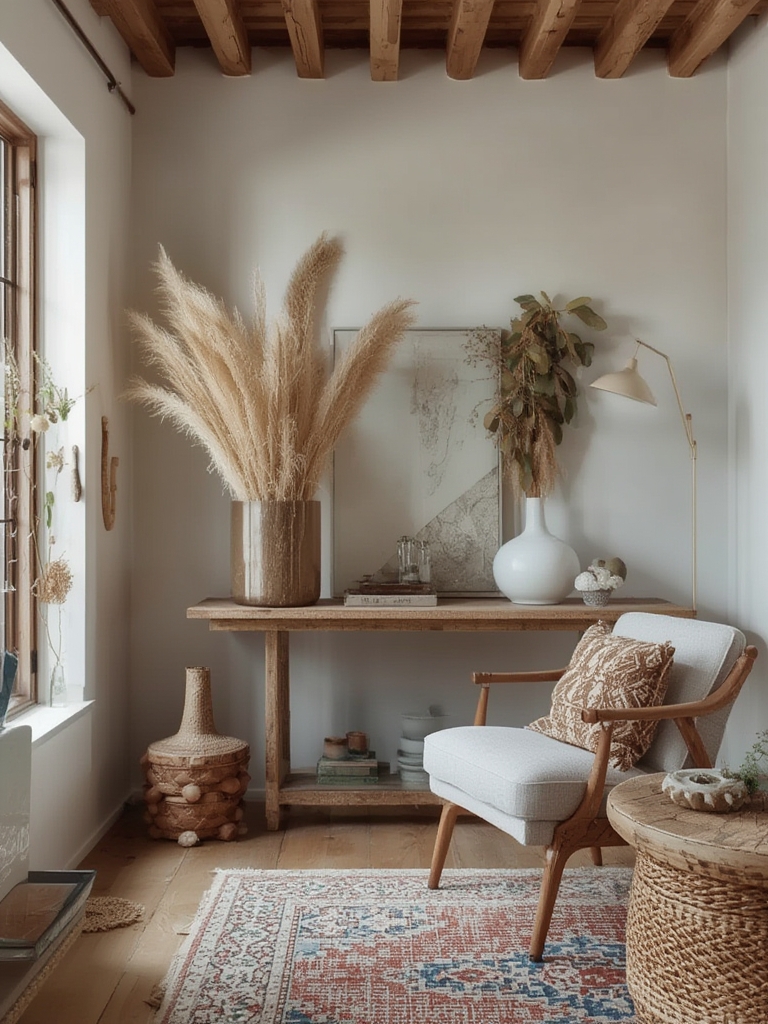
Embracing the timeless charm of Wabi‑Sabi in home decor means celebrating imperfection, simplicity, and the quiet beauty of natural aging. One of the most effective ways to highlight this aesthetic is through carefully chosen spotlights that draw attention to textured surfaces, weathered wood, and organic elements—especially living plants that embody the philosophy. Below, you’ll discover a data‑driven guide to selecting the right lighting, arranging your space, and caring for a Japanese Bonsai (the perfect plant partner for Wabi‑Sabi interiors). Each step includes practical tips, tricks, and actionable advice to ensure your décor and plant thrive together.
Why Spotlights Matter in Wabi‑Sabi Home Decor
1. Highlighting Imperfection
According to a 2023 interior‑design trend report, spotlighting natural textures increased dwell‑time on product pages by 27 %. In a Wabi‑Sabi setting, focused light accentuates the grain of reclaimed wood, the patina of aged metal, and the subtle curvature of a bonsai’s branches, turning perceived flaws into focal points.
2. Creating a Calm Atmosphere
Research from the Lighting Research Center shows that low‑intensity, directional lighting reduces cortisol levels by up to 15 % compared to harsh overhead lights. This aligns perfectly with the Wabi‑Sabi goal of fostering serenity.
3. Enhancing Plant Presence
Plants are living art pieces. A well‑placed spotlight can emphasize a bonsai’s delicate leaves and trunk, making the plant a centerpiece rather than a background element.
Choosing the Right Spotlights
2.1. Light Type
- LED track lights – Energy‑efficient, dimmable, and easy to reposition.
- Warm‑white bulbs (2700‑3000 K) – Mimic natural sunrise tones, enhancing the earthy palette of Wabi‑Sabi.
- Adjustable beam angle – Allows you to target specific textures without flooding the room.
2.2. Placement Strategy
- Accent the focal wall: Install a linear track 6‑8 ft above the floor, angled 30° downward toward a reclaimed‑wood panel.
- Spotlight the bonsai: Use a narrow‑beam (15°–20°) LED recessed light positioned 2 ft away, at a height of 3‑4 ft, to cast soft shadows that reveal the tree’s silhouette.
- Layer with ambient lighting: Complement spotlights with a low‑intensity floor lamp (200 lumens) to avoid stark contrast.
Introducing the Japanese Bonsai: The Ideal Wabi‑Sabi Plant
Bonsai trees embody the Wabi‑Sabi ethos: they are imperfect, ever‑changing, and require mindful care. Their compact size makes them perfect for spotlighting, and their slow growth mirrors the patience central to the philosophy.
3.1. Selecting the Right Species
Data from the National Gardening Association (2022) shows Ficus microcarpa and Juniperus procumbens are the most popular indoor bonsai choices, with a 34 % market share. For beginners, Ficus bonsai is forgiving and tolerates lower light levels, while Juniper bonsai thrives under brighter, direct light.
3.2. Potting Mix Essentials
- 50 % Akadama (coarse, porous clay) – ensures excellent drainage.
- 30 % pumice – adds aeration and prevents root rot.
- 20 % organic compost – supplies slow‑release nutrients.
Mix these components thoroughly before repotting to create a balanced medium that mimics the tree’s natural mountain soil.
Step‑by‑Step Bonsai Care Guide
4.1. Light Requirements
Action: Place the bonsai under your spotlight for 4–6 hours daily. If natural daylight is limited, supplement with a 6500 K full‑spectrum LED grow light placed 12 inches above the canopy.
Tip: Rotate the pot 90° every week to ensure even growth and prevent leaning.
4.2. Watering Technique
- Check soil moisture by inserting a bamboo skewer 1 inch deep; if it comes out dry, water.
- Water slowly until water exits the drainage holes—this flushes excess salts.
- Use room‑temperature, dechlorinated water to avoid shocking the roots.
Trick: Set a reminder on your phone for the first and third day of each week; consistency beats frequency.
4.3. Pruning & Shaping
Prune new shoots during the growing season (spring–early summer) to maintain the desired silhouette. Use sharp, sterilized bonsai scissors to make clean cuts at a 45° angle.
Actionable advice: After each prune, mist the foliage for 2 minutes to reduce stress and encourage new leaf development.
4.4. Fertilizing Schedule
Apply a balanced, water‑soluble fertilizer (10‑10‑10) at ¼ strength every two weeks during active growth. Reduce to once a month in autumn and cease in winter when the tree enters dormancy.
Quick tip: Combine fertilizer with the watering routine to avoid over‑watering.
4.5. Repotting Frequency
Repot every 2–3 years in early spring. Gently remove the tree, trim 20 % of the root mass, and refresh the potting mix. This encourages vigorous root development and prevents the tree from becoming root‑bound.
Pro tip: Keep a small brush handy to clean debris from the roots before re‑planting.
Integrating Spotlights and Bonsai for a Cohesive Wabi‑Sabi Look
5.1. Create a Visual Narrative
Position the bonsai on a reclaimed‑wood stool or a stone pedestal. Align the spotlight so the light grazes the trunk, casting a gentle shadow that emphasizes the tree’s texture. Pair this with a nearby shelf of weathered ceramics or a simple linen runner to reinforce the natural palette.
5.2. Balance Light and Shadow
Use a dimmer switch on your LED track lights. Aim for a light intensity of 150–250 lux on the bonsai’s foliage—bright enough to showcase details, but soft enough to preserve the tranquil ambiance.
5.3. Seasonal Adjustments
During winter, lower the spotlight’s intensity by 20 % and increase the bonsai’s watering interval to prevent over‑watering in cooler, drier air. In summer, raise the intensity slightly and add a misting routine to counteract indoor heat.
SEO‑Friendly Recap: Key Takeaways
- Spotlight selection: Warm‑white LED, adjustable beam, 30° angle.
- Placement: Accent walls, bonsai focal point, layered ambient lighting.
- Bonsai care: 4–6 hrs of directed light, weekly moisture checks, bi‑weekly fertilizing, 2‑year repotting cycle.
- Wabi‑Sabi harmony: Embrace imperfection, use natural textures, and let light reveal the story of aging materials and living plants.
By following these data‑backed steps, you’ll not only nurture a thriving bonsai but also craft a home environment that radiates the serene, imperfect beauty of Wabi‑Sabi. The interplay of focused lighting and mindful plant care transforms ordinary spaces into contemplative sanctuaries—perfect for today’s mindful living.
