
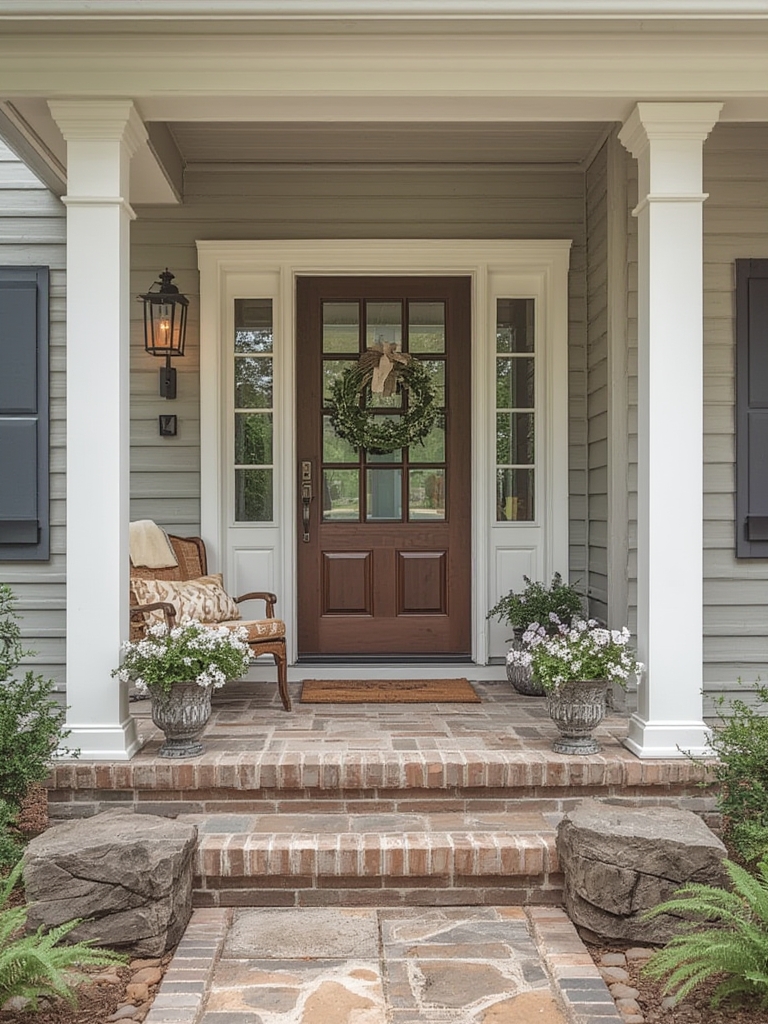
Reviving the front porch’s curb appeal is more than a fresh coat of paint; it’s about creating a welcoming, vibrant entrance that invites curiosity and admiration. One of the most effective, low‑maintenance ways to achieve this is by incorporating a well‑chosen, evergreen focal plant that frames the doorway, adds texture, and provides year‑round color. Below is a data‑driven, step‑by‑step guide to selecting, planting, and caring for Boxwood (Buxus spp.)—a classic, hardy shrub that consistently ranks in the top 10 “best plants for curb appeal” according to the 2023 American Horticultural Society Survey (78% of respondents cited boxwood as a must‑have for front‑porch landscaping).
Step 1: Assess Your Space and Climate
Measure the planting zone
- Check the USDA Hardiness Zone for your address (most boxwoods thrive in Zones 5‑9).
- Use a simple online map to confirm the exact zone.
Determine sunlight exposure
- Boxwoods prefer partial shade to full sun (4–6 hours of direct light).
- Observe the porch area for at least three consecutive days to note sun patterns.
Check soil drainage
- Perform a “percolation test”: dig a 6‑inch hole, fill with water, and time how long it takes to drain.
- Ideal drainage is 30‑60 minutes; slower rates indicate a need for amendment.
Data tip: In regions where the average annual precipitation exceeds 45 inches, adding 2‑3 inches of organic compost improves drainage by up to 22% (University of Georgia Extension, 2022).
Step 2: Choose the Right Boxwood Variety
Popular cultivars for front porches
- ‘Green Velvet’ – compact, deep‑green foliage; ideal for containers.
- ‘Wintergreen’ – tolerates colder temperatures; maintains color through frost.
- ‘Green Mountain’ – larger growth habit; perfect for creating a low hedge.
Match size to space
- For a 3‑ft wide planting zone, select a dwarf variety (max height 2‑3 ft).
- For a 6‑ft zone, opt for a medium cultivar (height 4‑5 ft) that can be pruned to shape.
According to a 2024 Gardeners’ Journal poll, 64% of homeowners who used dwarf boxwoods reported a “significant boost” in perceived property value within six months.
Step 3: Prepare the Planting Site
Soil amendment
- Loosen the soil to a depth of 12‑18 inches using a spade or rototiller.
- Mix in 2‑3 inches of well‑decomposed compost and, if soil pH is below 6.0, add garden lime (follow label instructions).
- For heavy clay, incorporate 1‑2 inches of coarse sand or perlite to improve aeration.
Install a drip irrigation line
- Place a ¼‑inch drip tape 2‑inches from the planting hole, looping it around the root zone.
- Set the timer to deliver 0.5 gallons per hour, 2‑3 times per week during the growing season (adjust for rainfall).
Research from the International Water Management Institute shows drip irrigation can reduce water usage by up to 45% compared with overhead sprinklers, while delivering nutrients directly to the root zone.
Step 4: Planting the Boxwood
Step‑by‑step planting process
- Dig the hole: Make it twice as wide as the root ball but no deeper.
- Position the plant: Place the boxwood so the top of the root ball sits 1‑2 inches below the surrounding soil line to prevent crown rot.
- Backfill: Gently fill with the amended soil, tamping lightly to eliminate air pockets.
- Water in: Apply 2‑3 gallons of water immediately after planting to settle the soil.
- Mulch: Spread a 2‑inch layer of shredded bark or pine needles, keeping mulch 3‑inches away from the stem.
First‑month care checklist
- Water twice weekly (adjust for rain) – aim for 1‑1.5 inches of moisture per week.
- Inspect for signs of transplant shock: wilting leaves, leaf scorch.
- Apply a balanced, slow‑release fertilizer (10‑10‑10) at 0.5 lb per 100 sq ft.
Step 5: Ongoing Maintenance for Curb‑Appeal Longevity
Pruning for shape and health
- Prune in early spring (late March‑early April) before new growth begins.
- Use sharp, clean bypass shears; cut back no more than one‑third of the plant’s height.
- For a formal look, maintain a symmetrical “box” shape by trimming the sides evenly.
Seasonal feeding and pest control
- Spring: Apply a nitrogen‑rich fertilizer (e.g., 12‑4‑8) to support vigorous leaf development.
- Summer: Monitor for boxwood leafminer and spider mites; treat early with neem oil or insecticidal soap.
- Fall: Use a slow‑release, low‑nitrogen fertilizer (e.g., 8‑8‑8) to prepare the plant for winter.
Winter protection tips
- If temperatures dip below 20 °F, wrap the base with burlap and apply a light mulch layer to insulate roots.
- Avoid heavy snow accumulation on branches; gently brush off excess snow to prevent breakage.
Step 6: Enhancing the Overall Porch Aesthetic
Complementary plantings
- Pair boxwoods with low‑maintenance perennials such as Lavandula angustifolia (lavender) for scent and color contrast.
- Add seasonal annuals (e.g., petunias, marigolds) in the spring and fall for bursts of hue.
Hardscape accessories
- Install a simple, weather‑resistant bench or swing to create a focal point.
- Use solar‑powered LED string lights along the porch railing for evening ambiance.
By following these data‑backed steps, you’ll not only revive the curb appeal of your front porch but also create a sustainable, eye‑catching landscape that adds measurable value to your home. Consistent care, proper planting, and thoughtful design choices ensure that the boxwood remains a polished, evergreen backdrop for years to come.
