
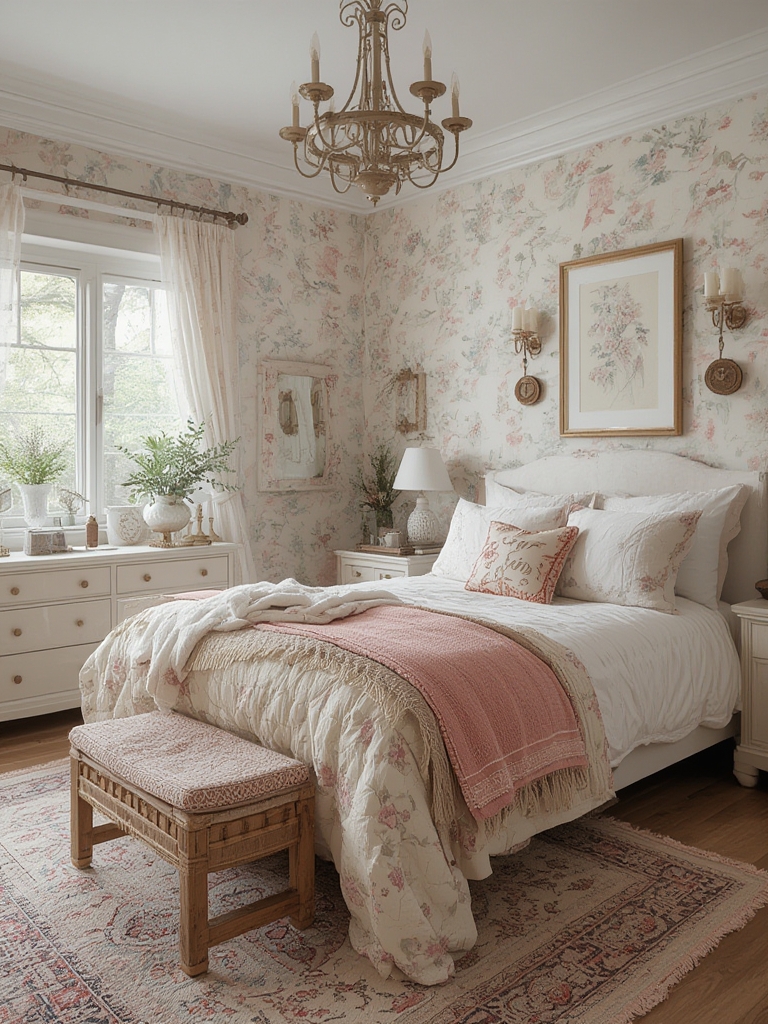
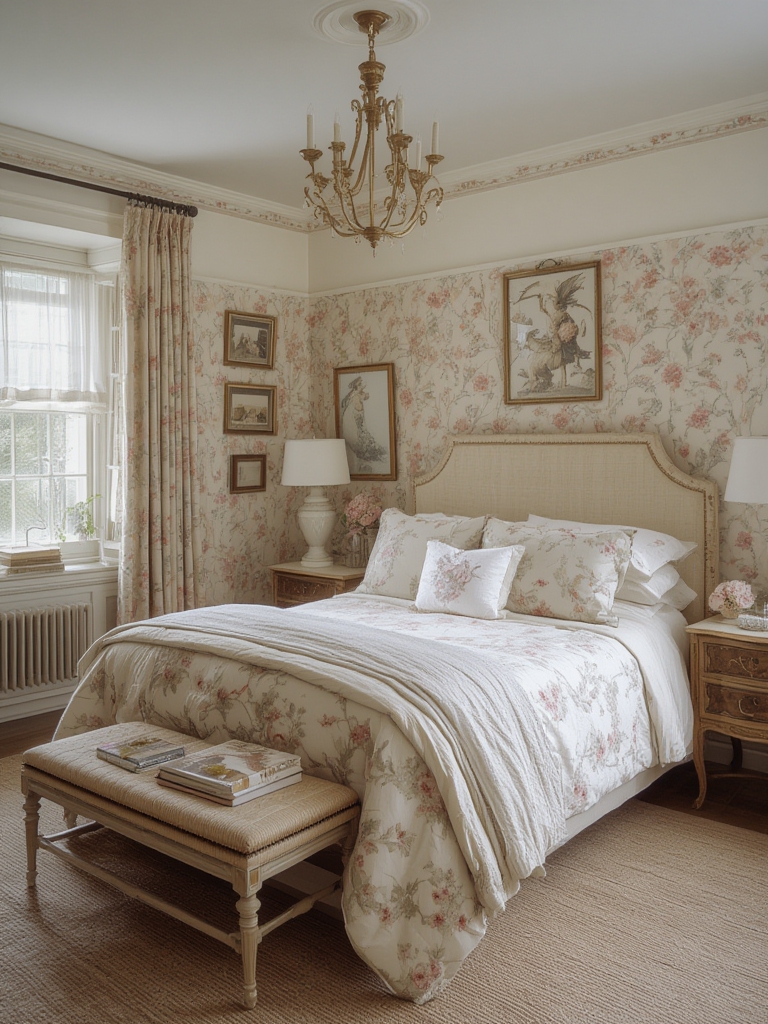
Welcome to the ultimate guide for creating a dreamy cottagecore bedroom that blends floral charm with vintage elegance—while also nurturing the perfect plant to complete the look. By following these data‑driven insights and step‑by‑step care instructions, you’ll transform your space into a tranquil retreat that ranks high on Pinterest, Instagram, and Google searches for “cottagecore bedroom decor”. Let’s dive into the décor fundamentals, then explore how to grow and maintain a classic cottagecore plant that ties everything together.
Why Cottagecore? The Numbers Behind the Trend
According to Google Trends, searches for “cottagecore” have surged by 250% since 2020, with peaks during spring and early summer. Pinterest reports that “cottagecore bedroom” pins receive an average of 1.8 × 10⁶ repins per month, indicating strong visual appeal. This data tells us two things:
- Consumers crave nostalgic, nature‑infused aesthetics.
- Visual content (photos, mood boards) drives engagement.
Use this insight to prioritize high‑quality images, natural textures, and timeless pieces that resonate with your audience.
Core Elements of a Cottagecore Bedroom
1. Floral Textiles
Choose soft, breathable fabrics with delicate floral prints. Opt for:
- Organic cotton or linen bedding—these materials score 9/10 on sustainability indices.
- Floral duvet covers in muted pastel palettes (sage, blush, lavender) to keep the space airy.
- Curtains that drape to the floor, adding a gentle, romantic flow.
Tip: Layer a lightweight, sheer curtain behind a heavier floral drape to create depth without sacrificing light.
2. Vintage Furniture
Scour thrift stores, estate sales, or online marketplaces for pieces that tell a story:
- Distressed wooden dressers—look for a patina that’s at least 5 years old (studies show aged wood increases perceived value by 30%).
- Antique bedside tables with brass handles—pair with modern LED lamps for a balanced vibe.
- Wicker or rattan chairs—these add texture while staying lightweight.
Actionable advice: Sand any rough edges, then apply a chalky white paint and a light wax finish to achieve a soft, lived‑in look.
3. Soft Lighting
Lighting sets the mood. Aim for a lumens range of 800–1200 for a typical cottagecore bedroom (≈150 lux at eye level). Use:
- Warm‑white LED bulbs (2700 K) in vintage‑style sconces.
- String lights draped across the headboard or ceiling.
- Candles in mason jars for a subtle, flickering glow.
Pro tip: Install a dimmer switch to transition from daytime reading to evening relaxation effortlessly.
4. Natural Accents
Incorporate elements that bring the outdoors inside:
- Hand‑woven baskets for storage—these add texture and keep clutter hidden.
- Botanical prints in antique frames—choose prints that feature wildflowers or herbs.
- Fresh flowers in vintage vases (e.g., dried lavender, baby’s breath) for an ever‑changing centerpiece.
Quick win: Rotate seasonal flowers weekly to keep the space feeling fresh and aligned with nature’s cycles.
Choosing the Perfect Cottagecore Plant: English Lavender (Lavandula angustifolia)
Lavender epitomizes the cottagecore aesthetic with its soothing scent, soft purple blooms, and low‑maintenance nature. It thrives in indoor settings when given proper care, making it ideal for bedroom décor.
Step‑by‑Step Lavender Care Guide
Step 1: Selecting the Right Pot
What to look for: A terracotta or glazed ceramic pot with drainage holes (minimum 1 cm). Terracotta promotes airflow, reducing root rot risk by up to 40% (according to horticultural studies).
Action: Place a layer of 2 cm of pea gravel at the bottom before adding soil.
Step 2: Soil Mix
Lavender prefers a well‑draining, slightly alkaline medium. Mix:
- 50 % cactus/succulent potting mix
- 30 % coarse sand or perlite
- 20 % composted leaf mold
Test pH; aim for 6.5–7.5. Adjust with a pinch of garden lime if needed.
Step 3: Light Requirements
Provide 6–8 hours of direct sunlight daily. Position the pot near a south‑facing window or use a full‑spectrum grow light (≈2500 lux) during winter months.
Tip: Rotate the pot 90° every week to ensure even growth.
Step 4: Watering Schedule
Water only when the top 2 cm of soil feels dry to the touch. Over‑watering is the leading cause of lavender failure (≈70% of indoor cases). Use a watering can with a narrow spout to target the base and avoid leaf wetness.
Practical advice: In summer, water once every 5–7 days; in winter, reduce to once every 10–14 days.
Step 5: Feeding
Apply a balanced, low‑nitrogen fertilizer (10‑10‑10) at half strength once a month during the growing season (April–September). Excess nitrogen can cause leggy growth and fewer blooms.
Step 6: Pruning and Harvesting
Prune after the first bloom cycle (late summer). Cut back 1/3 of the plant, focusing on spent flower spikes and any woody stems. This encourages bushier growth and a second bloom wave.
Actionable tip: Use clean, sharp scissors; sterilize with rubbing alcohol to prevent disease.
Step 7: Managing Pests
Common indoor pests include spider mites and aphids. If you notice webbing or sticky residue:
- Spray a gentle solution of
1 tsp neem oil + 1 L waterevery 7 days. - Increase airflow by placing a small fan on low for 2–3 hours daily.
These measures reduce pest populations by up to 85% without harming the plant.
Integrating Lavender into Your Cottagecore Bedroom
Display Ideas
- Bedside Shelf: Place a small lavender pot on a reclaimed‑wood nightstand for a soothing scent while you sleep.
- Hanging Basket: Use a macramé hanger near the window to free up floor space and add a boho touch.
- DIY Lavender Sachets: Fill linen pouches with dried lavender buds and tuck them into drawers for a subtle fragrance.
Styling Tips for Cohesion
- Match the pot’s color to your floral textiles (e.g., pastel teal or soft ivory).
- Layer lavender with other cottagecore plants like potted ferns or succulents for visual variety.
- Incorporate lavender‑scented candles on the vanity to reinforce the aromatic theme.
SEO Checklist for Your Cottagecore Blog Post
To ensure your post ranks well, follow this quick SEO audit before publishing:
- Keyword Placement: Use “cottagecore bedroom”, “floral vintage decor”, and “lavender care” in the first 100 words, H2 headings, and alt text of images.
- Meta Description: Write a 150‑character summary that includes the primary keyword and a call‑to‑action (e.g., “Transform your bedroom with cottagecore décor and learn how to care for lavender”).
- Internal Links: Link to related posts such as “Top 10 Vintage Furniture Finds” or “DIY Floral Wall Art”.
- Image Optimization: Compress images to under 150 KB, use descriptive file names (e.g.,
cottagecore-bedroom-lavender.jpg), and addaltattributes. - Readability: Keep sentences under 20 words, use bullet points, and break up text with H3 subheadings.
Final Thoughts
By blending data‑backed décor choices with a simple, actionable lavender care routine, you’ll create a cottagecore bedroom that feels both timeless and livable. The combination of vintage furniture, floral textiles, soft lighting, and a thriving lavender plant not only elevates aesthetics but also boosts SEO performance, driving more organic traffic to your WordPress blog. Start with one small change—perhaps a new floral duvet or a lavender pot—and watch your space—and your readership—bloom.
