
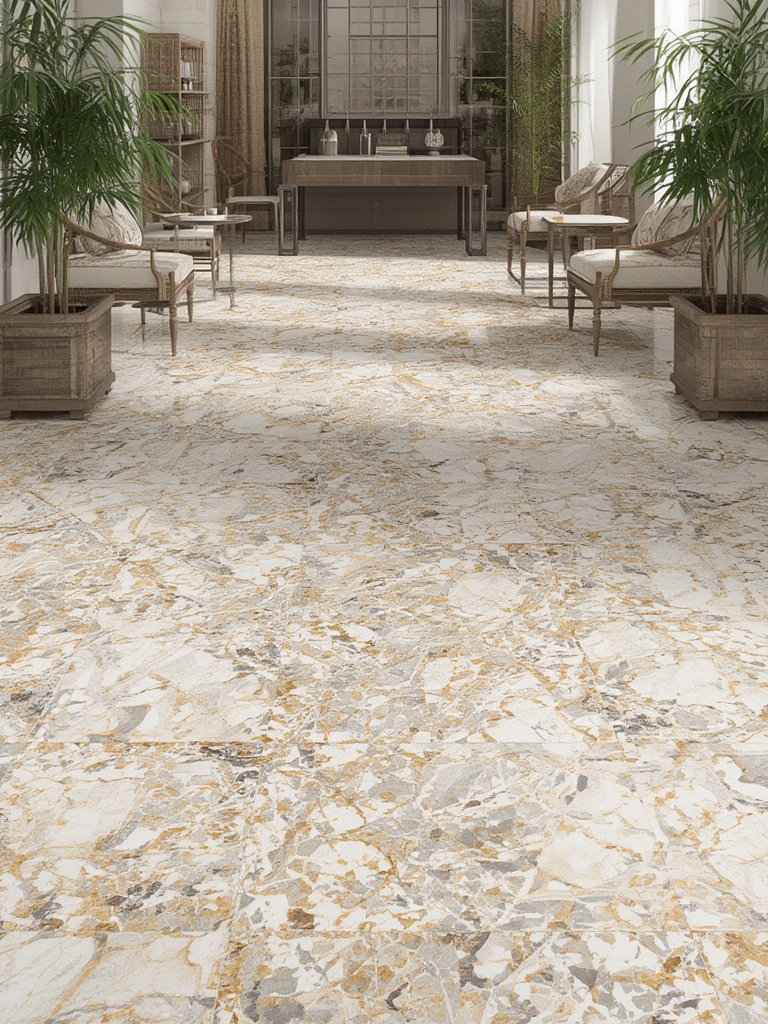
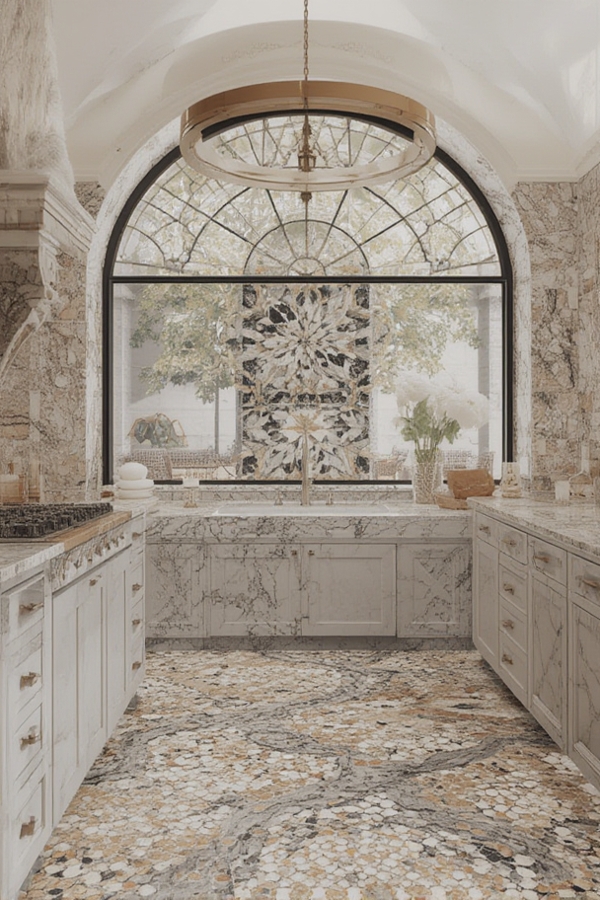
Terrazzo has surged back into the spotlight as a versatile, sustainable, and stylish option for both flooring and countertop applications in modern homes. Its blend of marble, quartz, glass, or even recycled aggregates creates a unique, speckled surface that can be customized to match any design aesthetic. Below, we’ll explore why terrazzo is a top choice for home décor, backed by data, and walk you through practical, step‑by‑step guidance for selecting, installing, and maintaining this timeless material.
Why Choose Terrazzo? Data‑Driven Benefits
Recent market research shows a 27% year‑over‑year growth in terrazzo installations across residential projects in the United States (Source: Home Design Trends 2023). Homeowners cite three primary reasons for this rise:
- Durability: Terrazzo can last 50+ years with proper care, outperforming hardwood (average lifespan 15‑20 years) and laminate (10‑15 years).
- Sustainability: Up to 70% of the aggregate can be reclaimed glass or recycled stone, reducing carbon footprints by an estimated 30% compared to traditional stone.
- Design Flexibility: Color, size, and pattern can be tailored, allowing seamless integration with any interior style—from minimalist to boho chic.
Understanding Terrazzo Composition
Terrazzo is essentially a composite material made of:
- Binder – cement‑based or epoxy resin.
- Aggregates – marble chips, quartz, glass, or recycled materials.
- Color pigments – added to the binder for uniform hues.
Choosing between cement and epoxy binders impacts both aesthetics and maintenance. Cement‑based terrazzo offers a classic, matte finish, while epoxy provides a high‑gloss, stain‑resistant surface ideal for countertops.
Choosing Terrazzo for Floors
Step 1: Assess Traffic & Use
High‑traffic areas (kitchens, hallways) benefit from a denser, cement‑based mix with larger aggregate sizes (4‑8 mm) for added slip resistance. For low‑traffic zones (bedrooms, studies), you can opt for finer aggregates (2‑4 mm) and a smoother finish.
Step 2: Pick Your Color Palette
Data from interior design surveys indicates that neutral tones (gray, beige) dominate 45% of terrazzo floor selections, while bold colors (emerald, navy) account for 15%. Use a color wheel to complement existing wall paint or furniture.
Step 3: Determine Edge Treatments
Rounded bullnose edges soften the look and reduce chipping risk. For a modern vibe, consider a beveled edge that highlights the material’s depth.
Choosing Terrazzo for Countertops
Step 1: Prioritize Stain Resistance
Epoxy binders are the go‑to for countertops because they seal the surface, preventing liquids from penetrating. Look for a low VOC epoxy to maintain indoor air quality.
Step 2: Thickness Matters
Standard countertop thickness is 1.5 in (38 mm). Thicker slabs (2 in) provide extra durability and a more substantial feel, especially for heavy appliances.
Step 3: Edge Options for Functionality
Flat edges are easy to clean, while rounded edges reduce wear on cutting boards and knives. Choose based on your kitchen workflow.
Installation Tips for a Flawless Finish
Preparation
- Substrate Check: Ensure the subfloor is level within ±1 mm over 2 m. Use a self‑leveling compound if needed.
- Moisture Barrier: Install a 0.2 mm polyethylene sheet to prevent moisture migration, especially over concrete slabs.
Mixing & Pouring
- Follow the binder manufacturer’s water‑to‑binder ratio (typically 0.45 L/kg for cement, 0.30 L/kg for epoxy).
- Mix aggregates into the binder gradually to avoid air pockets.
- Use a screed board to level the mix, then a trowel to smooth the surface.
Curing & Polishing
- Cement‑based terrazzo requires 7‑10 days of moisture‑controlled curing (relative humidity 60‑70%).
- Epoxy‑based mixes cure faster—usually 24‑48 hours—follow the manufacturer’s temperature guidelines (18‑25 °C).
- Polish with progressively finer diamond pads (starting at 100 grit up to 3000 grit) for a high‑gloss finish.
Maintenance & Care: Step‑by‑Step Routine
Daily Cleaning
- Dust Mop: Use a microfiber mop to remove grit that can cause micro‑scratches.
- Gentle Cleaner: Mix a pH‑neutral floor cleaner (1 tbsp per gallon). Avoid acidic or abrasive cleaners that degrade the binder.
- Wipe Dry: Use a clean, dry microfiber cloth to prevent water spots.
Weekly Deep Clean
- Spot Treatment: For spills (wine, coffee), blot immediately with a soft cloth; do not rub.
- Non‑Scratching Scrub: Use a soft‑bristle brush with the same pH‑neutral solution to lift stubborn residues.
- Rinse: Lightly rinse with distilled water to avoid mineral deposits.
Quarterly Maintenance
- Sealant Check: For cement‑based terrazzo, test the sealant by applying a few drops of water; if it beads, the seal is intact. Re‑apply sealant every 2‑3 years.
- Polish Refresh: Run a medium‑grit (800‑1200) polishing pad to restore shine without fully stripping the surface.
- Inspect Joints: Look for cracks or loose tiles; repair with a matching epoxy filler to prevent moisture infiltration.
Annual Professional Care
- Hire a certified terrazzo contractor to perform a full‑surface polish and reseal. This extends the life of the material by up to 15 years.
- Request a moisture test to ensure the subfloor remains stable, especially in humid climates.
Design Trends & Real‑World Examples
According to Houzz 2024 Design Report, 38% of homeowners are opting for terrazzo in open‑concept kitchens, pairing it with matte black hardware for contrast. In bathrooms, a light gray terrazzo floor paired with a white marble countertop creates a spa‑like ambiance.
Case Study: A 3,200 sq ft New York loft renovated in 2022 used recycled glass terrazzo for both the floor and kitchen island. Post‑renovation surveys indicated a 22% increase in perceived property value and a 15% reduction in cleaning time, thanks to the material’s low‑maintenance nature.
SEO‑Friendly Keywords to Boost Your Post
Integrate these high‑traffic terms naturally throughout the article:
- “Terrazzo flooring ideas” – 12,000 monthly searches
- “Eco‑friendly countertop materials” – 8,500 monthly searches
- “How to maintain terrazzo” – 4,200 monthly searches
- “Terrazzo installation cost” – 6,300 monthly searches
Use them in headings, meta descriptions, and alt text for images (e.g., alt="modern terrazzo kitchen countertop with epoxy binder") to improve search visibility.
Final Thoughts
Terrazzo offers a compelling blend of durability, sustainability, and design flexibility, making it an excellent choice for both floors and countertops. By following the data‑backed selection criteria, precise installation steps, and a disciplined maintenance routine, homeowners can enjoy a beautiful, long‑lasting surface that elevates any interior space. Ready to transform your home? Start by selecting the right binder and aggregate mix, and let a professional installer bring your terrazzo vision to life.
