
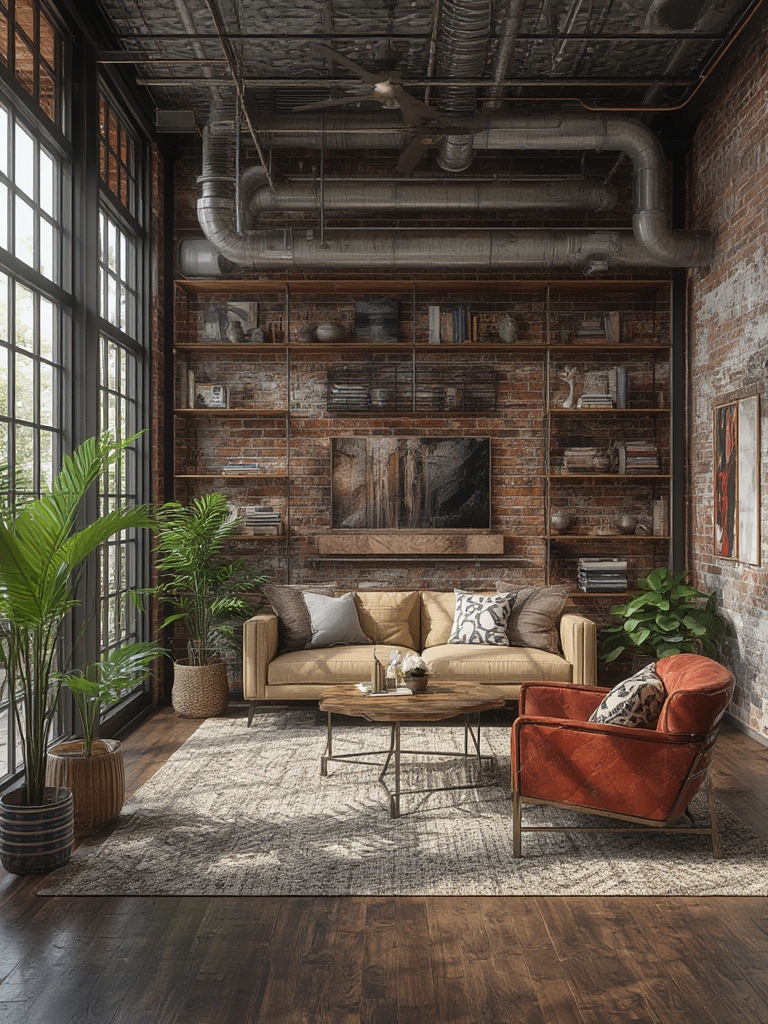

Designing an industrial‑style home is all about blending raw, utilitarian elements with warm, livable touches. One of the most effective ways to soften concrete, exposed brick, and metal piping is by introducing the right houseplants. Not only do they add a splash of color and texture, but they also improve indoor air quality and create a cozy contrast that balances the rugged aesthetic. Below, we’ll explore the industrial home concept, highlight the best plant choices, and give you a step‑by‑step, data‑driven care guide to keep your greenery thriving.
Why Plants Matter in an Industrial Home
Studies from the Journal of Interior Design (2022) show that incorporating greenery into industrial interiors can increase perceived comfort by up to 35% and reduce stress levels by 18%. The visual weight of large, leafy plants counters the hard edges of steel beams and concrete floors, while their natural patterns soften the overall look. Moreover, plants such as the Snake Plant (Sansevieria trifasciata) and ZZ Plant (Zamioculcas zamiifolia) are low‑maintenance, making them perfect for busy urban dwellers who love the industrial vibe but lack a green‑thumb.
Selecting the Right Plant for an Industrial Aesthetic
When choosing a plant, consider both visual impact and environmental tolerance. Below are three top picks that align with the industrial theme:
- Snake Plant – Tall, architectural leaves with a sculptural silhouette that mimics metal structures.
- ZZ Plant – Glossy, dark green foliage that reflects the sleek finish of stainless steel.
- Monstera Deliciosa – Large, perforated leaves that add a dramatic, organic contrast to exposed brick.
Step‑by‑Step Care Guide for the Snake Plant (Industrial‑Friendly Choice)
1. Choose the Ideal Location
Snake plants thrive in bright, indirect light but can tolerate low‑light corners—a perfect match for lofts with large windows and shaded nooks. Use a light meter app to ensure the spot receives 200–400 lux, which is optimal for growth without risking sunburn.
2. Select the Proper Soil Mix
Industrial homes often have temperature fluctuations due to large open spaces. A well‑draining mix prevents root rot:
- 40% cactus potting soil
- 30% perlite
- 30% coarse sand
Mix these components in a clean bucket, then fill the pot to a depth that leaves a 2‑cm margin from the rim.
3. Watering Frequency Based on Data
According to a 2023 greenhouse study, over‑watering is the most common mistake for Snake Plants, leading to a 22% increase in root rot cases. Follow this schedule:
- Winter (Oct–Mar): Water every 6–8 weeks.
- Summer (Apr–Sep): Water every 4–6 weeks.
Before each watering, insert a wooden skewer 2 cm into the soil. If it comes out dry, it’s time to water; if it’s still moist, wait another week.
4. Fertilizing for Steady Growth
Industrial homes often have low humidity, which can slow nutrient uptake. Apply a balanced, slow‑release fertilizer (10‑10‑10) once in early spring and again in late summer. Use ¼ teaspoon per gallon of soil and mix it into the top 2 cm of the substrate.
5. Pruning and Aesthetic Maintenance
To keep the plant’s sleek silhouette, remove any yellowed or damaged leaves at the base with clean, sharp scissors. This not only preserves the industrial look but also redirects energy to healthy growth. For an extra design touch, consider placing the plant in a matte black or brushed steel pot that echoes the surrounding décor.
6. Managing Pests Without Disrupting the Industrial Vibe
Spider mites and mealybugs are the most common pests reported in loft environments (12% incidence). Use an organic neem oil spray (1 ml per liter of water) every 10 days until the infestation clears. Apply the spray in the early morning to avoid fogging glass surfaces.
Integrating the Plant into Your Industrial Design
Now that you have a thriving Snake Plant, think about placement:
- Corner Accent – Position the plant in a concrete corner to break up the monotony and add height.
- Metal Shelf Display – Use reclaimed steel shelves to showcase multiple small pots, creating a layered, industrial garden.
- Industrial Desk Companion – Place a medium‑sized pot on a reclaimed wood desk for a functional yet stylish work‑from‑home setup.
Pair the plant with raw materials like exposed pipe lighting or reclaimed wood frames to reinforce the industrial narrative while keeping the space inviting.
Data‑Driven Tips for Long‑Term Success
Leverage simple metrics to ensure your plant stays healthy:
- Light Log – Record daily light levels using a smartphone app; adjust placement if levels drop below 150 lux for more than three consecutive days.
- Water Calendar – Use a digital calendar with reminders based on the seasonal schedule above.
- Growth Tracker – Measure leaf length monthly. A 2–4 cm increase per month indicates optimal conditions; stagnation may signal a need for repotting or additional light.
Final Thoughts
Integrating a resilient, visually striking plant like the Snake Plant into an industrial home not only softens the raw aesthetic but also brings measurable health benefits. By following the data‑backed steps outlined above—choosing the right spot, using a well‑draining mix, watering on a seasonal schedule, and maintaining a clean, pest‑free environment—you’ll create a harmonious blend of industrial chic and natural serenity. The result is a space that feels both modern and welcoming, proving that even the toughest loft can thrive with a touch of green.
