
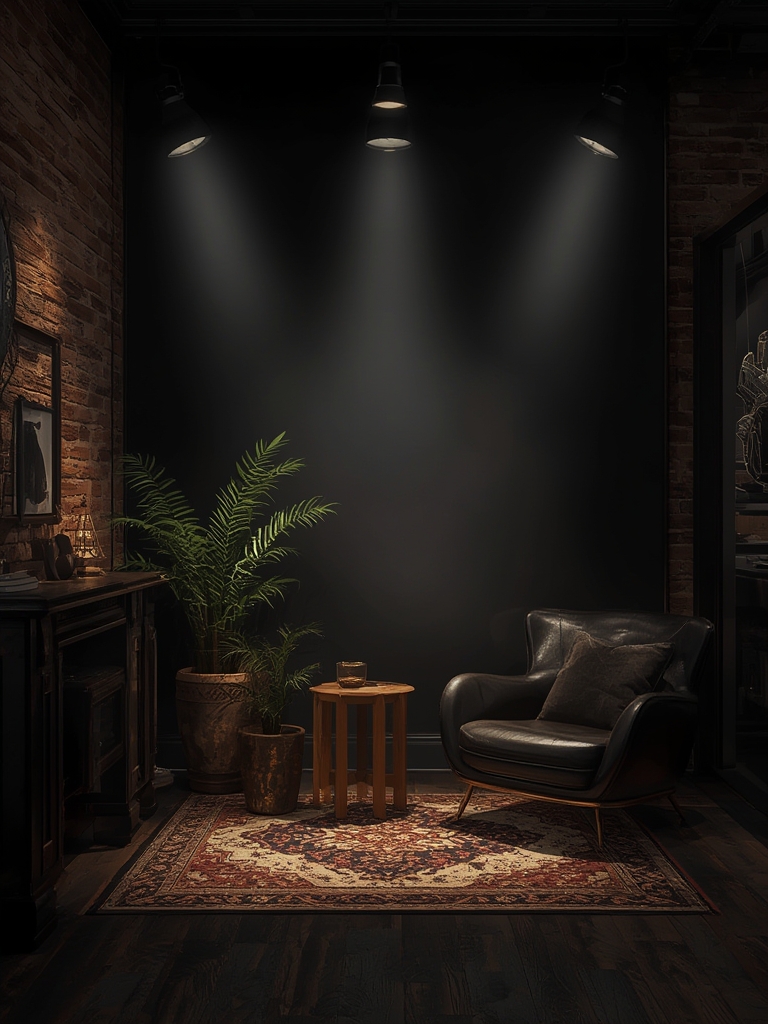
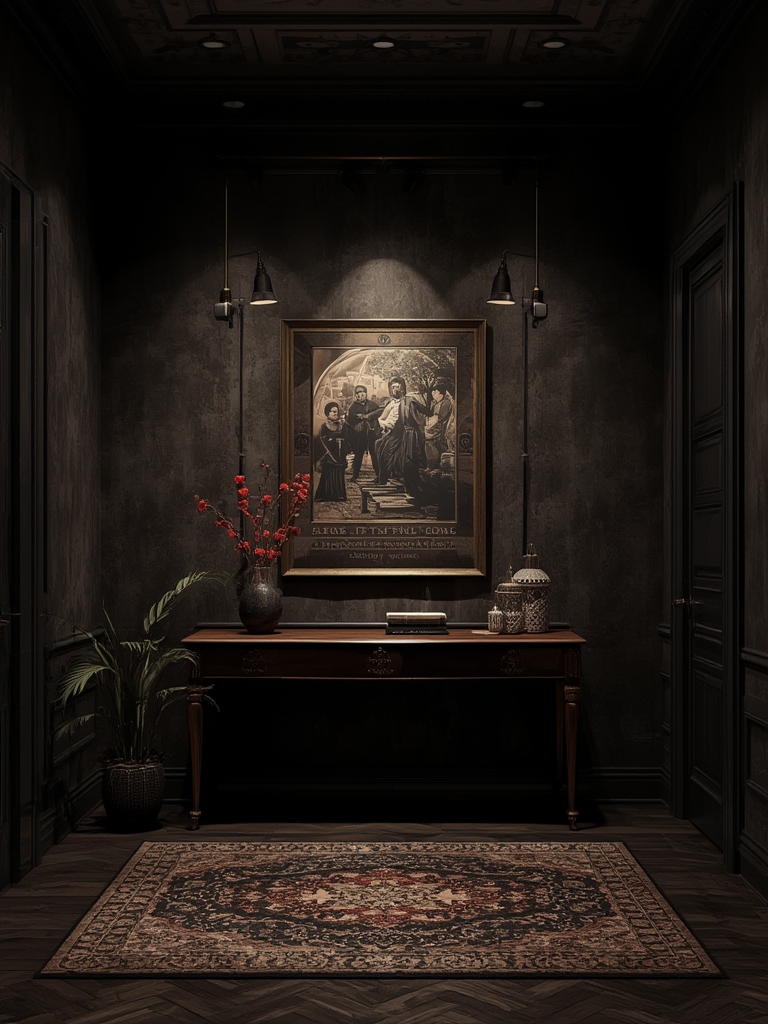
Dark Academia has taken the interior design world by storm, offering a moody, scholarly aesthetic that blends vintage charm with intellectual elegance. One of the most effective ways to bring this vibe into your home is through strategic lighting—specifically, dark academia style spotlights. These fixtures not only illuminate your space but also act as statement pieces that echo the timeless allure of old libraries, candlelit study rooms, and historic campuses. Below, we’ll explore how to choose, position, and style spotlights for a dark academia look, and we’ll even add a plant‑care guide for the perfect botanical companion that enhances the scholarly atmosphere.
Why Spotlights Are the Heartbeat of Dark Academia Décor
Spotlights create focused, dramatic illumination that mimics the soft glow of a desk lamp or a chandelier in a historic reading hall. In a dark academia setting, they serve three key purposes:
- Highlight Architectural Details: Accentuate crown molding, exposed brick, and wooden bookcases.
- Set the Mood: Warm amber tones evoke a sense of nostalgia and intellectual depth.
- Guide the Eye: Direct attention to curated décor items such as vintage globes, framed literary quotes, and textured textiles.
Choosing the Right Spotlights for a Scholarly Ambience
1. Fixture Style
Opt for fixtures that echo classic design eras—think brass, oil‑rubbed bronze, or matte black finishes. Adjustable track lights, vintage‑inspired recessed cans, and directional wall sconces all work well. Look for:
- Ornate Metalwork: Filigree or riveted details add a historic touch.
- Glass Diffusers: Frosted or amber glass softens harsh LEDs while preserving energy efficiency.
2. Light Temperature
Warm color temperatures (2700K‑3000K) are essential for that cozy, candle‑lit feel. Avoid cool daylight bulbs, which can clash with the muted palette of dark wood, deep greens, and burgundy.
3. Dimmer Compatibility
Installing dimmers gives you control over intensity, allowing you to transition from a bright study session to a low‑key reading nook with a simple twist.
Strategic Placement: Step‑by‑Step Guide
Step 1: Map Your Focal Points
Identify the architectural or décor elements you want to spotlight—bookshelves, a vintage desk, a gallery wall, or a reading chair. Sketch a quick floor plan and mark these zones.
Step 2: Determine Light Angles
For each focal point, decide whether you need a down‑light (to illuminate a surface) or a wall wash (to highlight texture). A 30‑45° angle works well for most surfaces, while a 15‑20° angle is ideal for subtle wall wash effects.
Step 3: Install Track or Recessed Systems
Run electrical wiring to a central hub (preferably near a wall switch). Use a track system for flexibility—move the heads as your décor evolves. For a seamless look, recessed cans are perfect for high‑ceiling rooms.
Step 4: Add Dimmer Switches
Wire a dimmer into the circuit before the fixtures. Test each spotlight at various settings to ensure the light accentuates without washing out the dark tones.
Step 5: Fine‑Tune with Decorative Elements
Place a vintage desk lamp or a brass floor lamp near the spotlighted area to layer light sources. This creates depth and reinforces the scholarly vibe.
Complementary Décor: The Perfect Plant for Dark Academia
Plants soften the rigidity of dark academia while adding a touch of life to the scholarly setting. The Snake Plant (Sansevieria trifasciata) is an ideal choice—its architectural leaves echo the clean lines of classic furniture, and it thrives in low‑light conditions typical of a study‑room aesthetic.
Step‑by‑Step Care Guide for the Snake Plant
Step 1: Choose the Right Pot
- Pick a pot with drainage holes; terracotta is ideal for its breathability.
- Use a well‑draining cactus or succulent mix (1 part peat, 1 part perlite, 1 part coarse sand).
Step 2: Position for Light
- Place the plant near a north‑ or east‑facing window to receive indirect light.
- Spotlights can double as supplemental light; set them on a low‑intensity warm setting (≈1500 lumens) for 2‑3 hours daily.
Step 3: Watering Schedule
- Water only when the top 2 inches of soil feel dry—typically every 3‑4 weeks.
- Use room‑temperature water to avoid shocking the roots.
Step 4: Feeding and Maintenance
- Apply a balanced, low‑nitrogen fertilizer (10‑10‑10) once in spring and once in summer.
- Remove any yellowed leaves promptly to prevent fungal spread.
Step 5: Seasonal Adjustments
- During winter, reduce watering to once a month and keep the plant away from drafts.
- Rotate the pot 90° every few weeks for even growth.
Putting It All Together: A Sample Dark Academia Reading Nook
Imagine a corner with a reclaimed‑wood desk, a leather armchair, and a floor‑to‑ceiling bookcase. Install a pair of brass‑finished recessed spotlights above the desk, angled 35° to cast a warm pool of light on the workspace. Add a dimmable wall sconce beside the armchair for ambient glow. Place a Snake Plant on a vintage metal tray next to the chair—its vertical leaves echo the lines of the bookshelf while the soft light highlights its texture.
Finish the look with layered textiles: a deep‑green wool throw, a burgundy rug, and a few antique brass accessories. The combined effect is a space that feels both lived‑in and timeless—perfect for late‑night reading, writing, or simply savoring a cup of tea.
SEO Tips to Boost Your Dark Academia Post
- Keyword Placement: Use “dark academia lighting,” “spotlight décor,” and “snake plant care” in the first 100 words, headings, and meta description.
- Internal Links: Connect to related posts on “vintage study room ideas” or “best books for a dark academia library.”
- Image Optimization: Include alt text such as “brass recessed spotlight illuminating a wooden bookshelf” and “snake plant in a terracotta pot beside a reading chair.”
- Structured Data: Add
Articleschema with author, publish date, and featured image to improve SERP visibility.
By blending purposeful lighting with the right botanical touch, you can transform any room into a dark academia sanctuary that feels both scholarly and inviting. Follow the steps above, experiment with placement, and let the warm glow guide your creative journey.
