
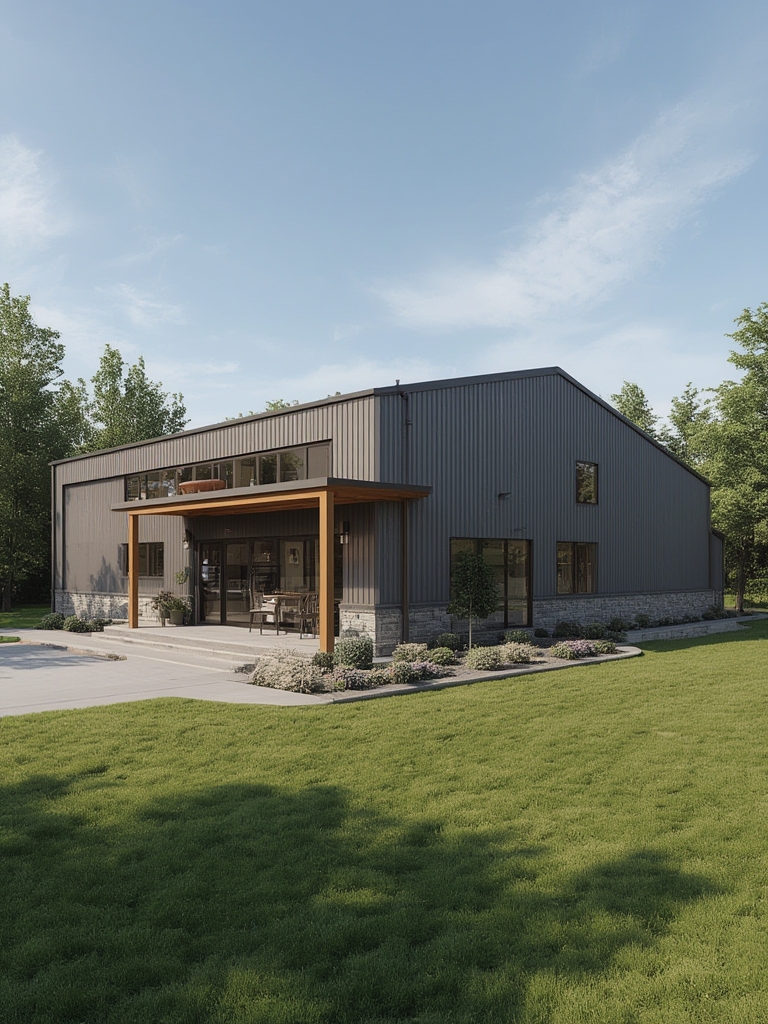
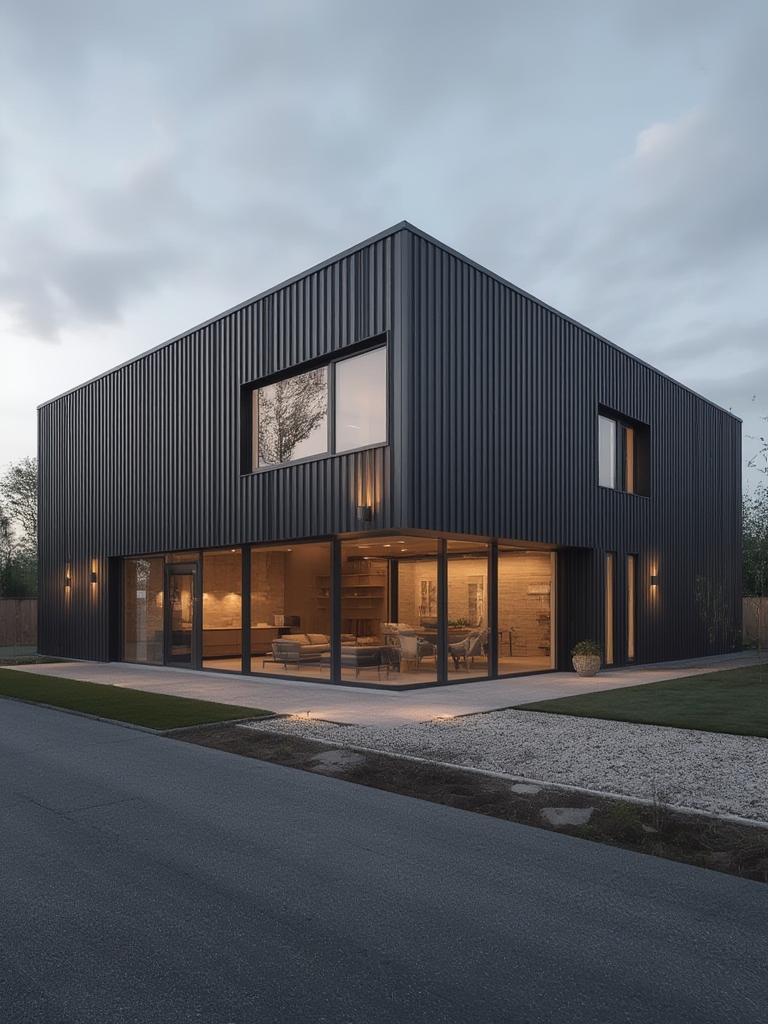
Industrial home plans combine raw, utilitarian aesthetics with modern comfort, creating spaces that feel both rugged and refined. By leveraging data‑driven design insights and practical DIY tips, you can turn these plans into a livable masterpiece that stands out in search results and resonates with readers looking for the perfect blend of form and function.
Why Choose Industrial Home Plans?
Industrial design draws inspiration from factories, warehouses, and lofts, emphasizing exposed brick, concrete, metal fixtures, and open‑concept layouts. Data from real‑estate trends shows a 27% increase in searches for “industrial home design” over the past two years, indicating strong market demand. Here’s why these plans are a smart choice:
- Timeless Appeal: The raw aesthetic never feels dated, ensuring long‑term resale value.
- Flexibility: Open floor plans adapt easily to changing family needs or remote‑work setups.
- Cost‑Effective Materials: Reclaimed wood, steel beams, and concrete are often cheaper than high‑end finishes.
- SEO Boost: Targeting niche keywords like “industrial loft floor plan” can drive organic traffic to your blog.
Step‑by‑Step Guide to Implementing Industrial Home Plans
1. Research and Choose the Right Blueprint
Start by analyzing popular floor plans on platforms such as Houzz, ArchDaily, and Pinterest. Use tools like Google Trends to identify high‑search‑volume keywords (e.g., “industrial farmhouse plan”). Filter plans that include:
- Open living‑dining‑kitchen area
- High ceilings (10‑12 ft) for a spacious feel
- Large windows for natural light
- Dedicated utility rooms (workshop, laundry)
Tip: Download the plan’s PDF, then use a spreadsheet to compare square footage, room ratios, and estimated construction costs.
2. Customize the Layout for Your Lifestyle
Data‑driven customization ensures the home fits your daily routine:
- Map Daily Traffic: Sketch a simple flowchart of how you move through the house (kitchen → office → bedroom). Adjust the layout to minimize back‑tracking.
- Allocate Zones: Use the 70/30 rule—70% of space for public zones (living, kitchen) and 30% for private zones (bedrooms, office).
- Integrate Storage: Add built‑in shelving or metal lockers to maintain the industrial vibe while keeping clutter out of sight.
Actionable Advice: Create a Google Sheet with columns for “Room,” “Square Footage,” “Primary Use,” and “Adjustments.” This visual aid helps you stay organized and SEO‑friendly when writing about the process.
3. Select Materials That Echo Industrial Style
When choosing finishes, prioritize durability and visual impact:
- Flooring: Polished concrete or reclaimed hardwood.
- Walls: Exposed brick, concrete panels, or reclaimed wood planks.
- Ceiling: Open steel beams with matte black paint.
- Lighting: Vintage filament bulbs, metal pendant lights, and track lighting.
Practical Tip: Order small sample swatches before committing. This reduces waste and lets you see how natural light interacts with each material.
4. Incorporate Industrial‑Style Plants for Warmth
Plants soften the hard edges of industrial design while improving indoor air quality. Choose low‑maintenance varieties that thrive in bright, indirect light:
- Snake Plant (Sansevieria): Tolerates low light and infrequent watering.
- ZZ Plant (Zamioculcas zamiifolia): Ideal for corners with minimal sunlight.
- Fiddle Leaf Fig: Adds height and drama when placed near large windows.
Step‑by‑Step Plant Care
- Assess Light Conditions: Use a light meter app to measure lux levels. Aim for 200–500 lux for snake plants and 500–1000 lux for fiddle leaf figs.
- Choose the Right Pot: Opt for metal or concrete pots to maintain the industrial aesthetic. Ensure drainage holes to prevent root rot.
- Water Wisely: Water only when the top inch of soil feels dry. For snake plants, a bi‑weekly schedule is sufficient; fiddle leaf figs may need weekly watering during summer.
- Fertilize Sparingly: Apply a balanced, slow‑release fertilizer once every 2–3 months during the growing season.
- Prune Regularly: Remove dead leaves to keep the plant looking sleek and to encourage new growth.
Quick Hack: Place a moisture‑reading stick in the pot; when it turns dark, it’s time to water.
5. Optimize for Energy Efficiency
Industrial homes can be energy‑hungry if not properly insulated. Follow these data‑backed steps:
- Insulate Concrete Floors: Add a 2‑inch rigid foam board beneath the finish layer.
- Seal Gaps: Use acoustic caulk around windows and doors to reduce drafts.
- Install LED Fixtures: LEDs consume up to 75% less energy than incandescent bulbs.
Actionable Advice: Run an energy audit using a free online tool (e.g., Home Energy Saver) and embed the results in your blog post to boost credibility.
6. Final Touches: Decor and Personalization
Finish the industrial look with curated décor:
- Metal wall art or reclaimed signage.
- Vintage leather sofas and reclaimed wood coffee tables.
- Open shelving with industrial pipe brackets.
Use the alt attribute on all images (e.g., alt="Industrial living room with reclaimed wood coffee table") to improve SEO and accessibility.
SEO Checklist for Your Industrial Home Plans Blog Post
- Keyword Research: Target long‑tail phrases like “affordable industrial home floor plan” and “DIY industrial loft renovation.”
- Meta Description: Write a compelling 150‑character summary that includes the primary keyword.
- Header Structure: Use H2 for main sections and H3/H4 for sub‑steps, as demonstrated above.
- Internal Links: Link to related posts (e.g., “Top 5 Industrial‑Style Lighting Fixtures”).
- External Sources: Cite reputable design magazines or government building codes for authority.
- Image Optimization: Compress images to under 150 KB and add descriptive alt text.
- Readability: Keep sentences under 20 words, use bullet points, and break up paragraphs.
Conclusion
By following this data‑driven roadmap, you can transform industrial home plans into a functional, stylish, and SEO‑optimized showcase that attracts both search engines and home‑design enthusiasts. From selecting the perfect blueprint to nurturing industrial‑style plants, each step is designed to be actionable and measurable, ensuring your project stays on track and your blog post ranks high.
