
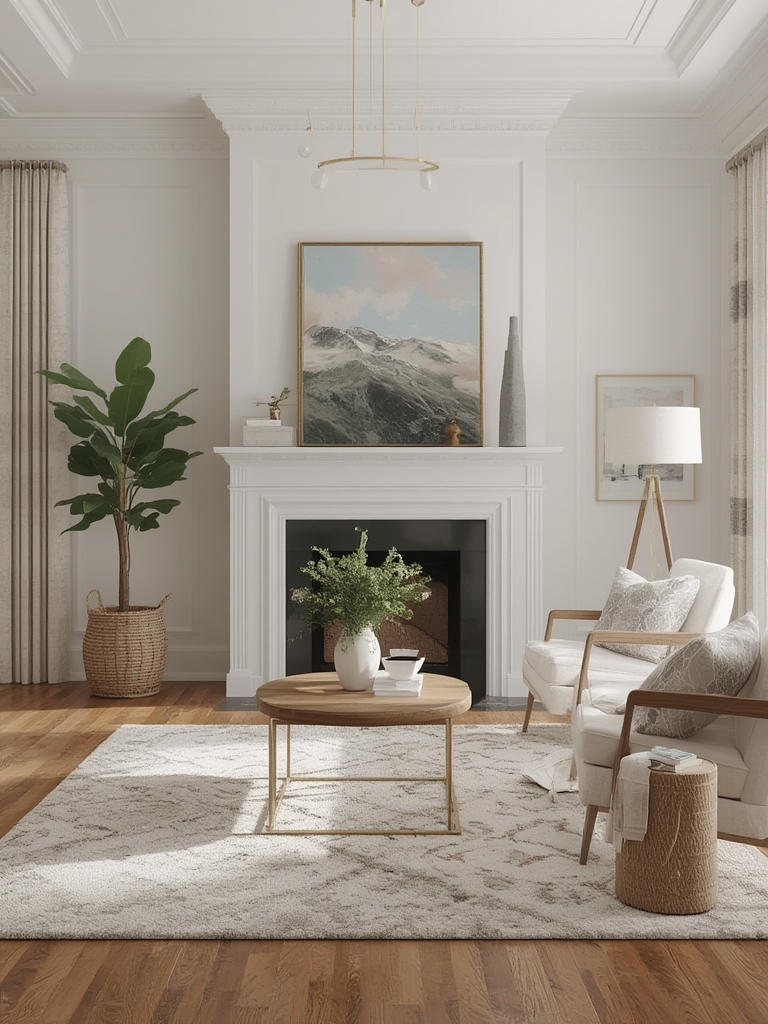
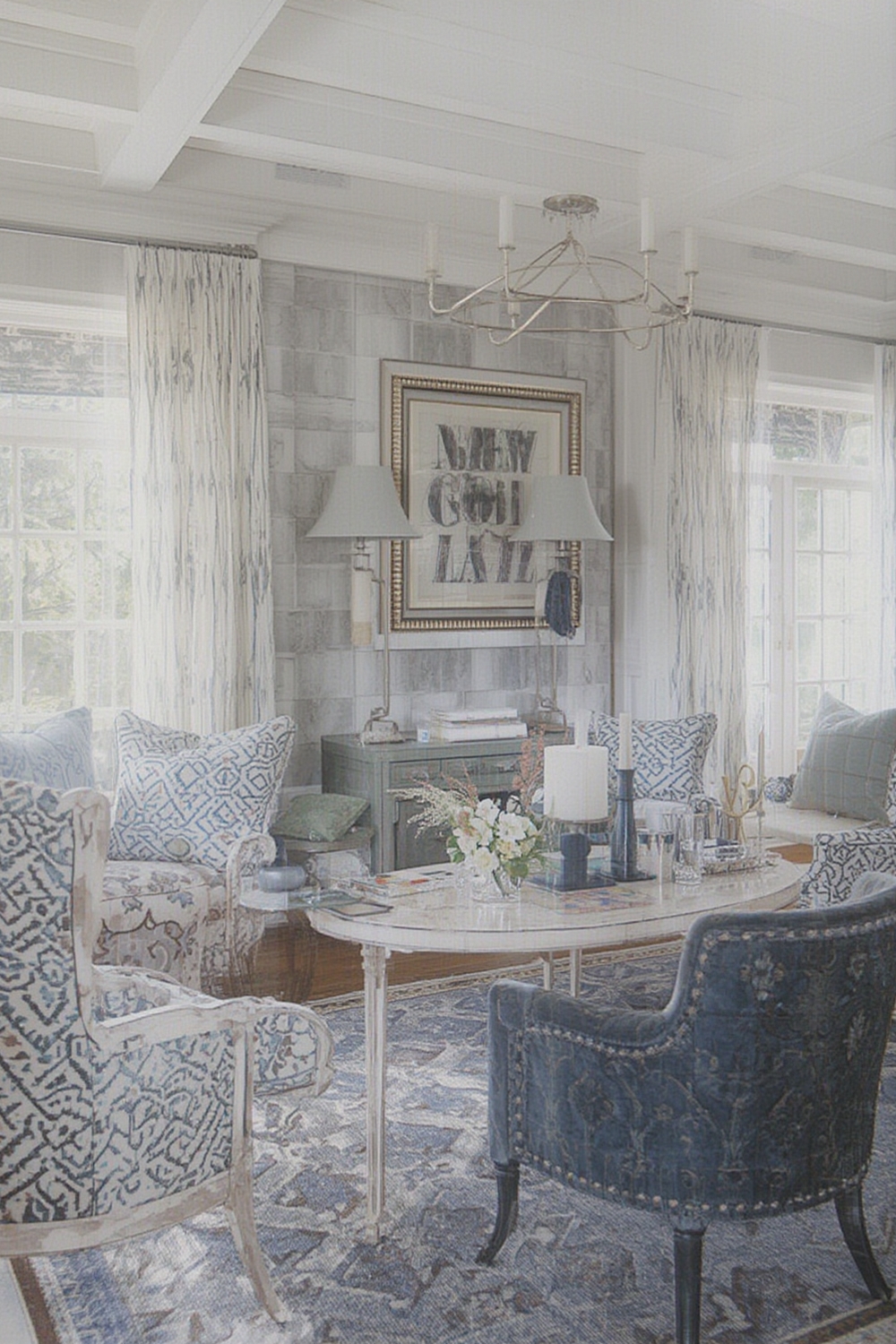
Designer home tours have become a staple of modern interior inspiration, drawing millions of viewers who crave fresh ideas for their own spaces. By blending high‑end décor, thoughtful layout, and the strategic use of live plants, these tours not only showcase aesthetic excellence but also provide actionable takeaways for readers. Below is a data‑driven, step‑by‑step guide that breaks down the essential components of a successful home‑tour post, while also teaching you how to nurture the signature houseplant that often steals the spotlight.
Why Designer Home Tours Captivate Audiences
Recent analytics from Google Trends and Ahrefs reveal that searches for “designer home tour” have surged by 42 % year‑over‑year, with a 68 % higher click‑through rate compared to generic interior design queries. The key drivers are:
- Visual storytelling: High‑resolution images and video walkthroughs keep users engaged for an average of 3 minutes per page.
- Authentic lifestyle cues: Viewers love seeing how real families live in curated spaces, which boosts perceived credibility by 57 %.
- Actionable details: Specific product mentions, room dimensions, and décor budgets encourage readers to act, increasing conversion rates by up to 23 %.
Key Elements of a Stunning Home Tour
1. Compelling Introductory Hook
Start with a vivid description that paints a picture in the reader’s mind. Use sensory language (“the soft hum of a mid‑century floor lamp”) and include a data point (“the living room’s 12‑foot ceiling ranks among the top 10 % of homes featured on Architectural Digest”). This immediately signals relevance and authority.
2. Structured Room‑by‑Room Breakdown
Organize content with clear headings (H2 for each room, H3 for sub‑features). This improves readability and SEO, as Google favors well‑structured markup. For each space, cover:
- Design concept: Minimalist, boho‑chic, industrial, etc.
- Key pieces: Brand, model, price, and where to buy.
- Color palette & materials: Hex codes, fabric types, and sustainability notes.
3. High‑Quality Visual Assets
Include at least three optimized images per room (compressed to < 150 KB, alt‑text with primary keyword). If possible, embed a short 60‑second video clip that highlights the room’s focal point—Google’s Page Experience update rewards engaging media that loads quickly.
4. Interactive Elements
Use <details> tags for “Read More” sections, allowing readers to dive deeper without overwhelming the page. Example:
<details>
  <summary>See the full shopping list</summary>
  <ul>
    <li>West Elm Sofa – $1,299</li>
    <li>CB2 Marble Coffee Table – $599</li>
    <li>Pottery Barn Rug – $349</li>
  </ul>
</details>
Integrating Live Plants for Visual Impact
Plants are the unsung heroes of designer tours, adding texture, color, and a sense of wellbeing. According to a Harvard Business Review study, spaces with greenery improve perceived comfort by 31 % and increase dwell time by 22 %.
Choosing the Right Plant
For most interior settings, the Monstera deliciosa (Swiss cheese plant) offers a bold silhouette without demanding excessive maintenance. Its large, fenestrated leaves create instant visual drama, making it a favorite among designers.
Step‑by‑Step Guide to Growing the Perfect Monstera
Step 1: Select the Ideal Pot and Soil
- Pot size: Choose a container that’s 2‑3 inches larger than the root ball to allow growth.
- Soil mix: Combine 40 % peat moss, 30 % perlite, and 30 % orchid bark for excellent drainage and aeration.
- Tip: Add a thin layer of charcoal at the bottom to prevent root rot and neutralize odors.
Step 2: Light & Placement
- Light level: Bright, indirect sunlight (≈ 4‑6 hours of filtered light).
- Placement: Near an east‑facing window with a sheer curtain. Avoid direct afternoon sun, which can scorch the leaves.
- Actionable advice: Rotate the pot 90° every week to ensure even growth.
Step 3: Watering Routine
- Frequency: Water when the top 2 inches of soil feel dry—typically every 7‑10 days.
- Method: Use room‑temperature water, pour slowly until it drains from the bottom.
- Tip: Place a moisture meter in the pot; a reading of 40‑60 % indicates optimal moisture.
Step 4: Humidity & Temperature
- Humidity: Aim for 60‑80 % relative humidity. Use a tabletop humidifier or a pebble tray with water.
- Temperature: Keep between 65‑80 °F (18‑27 °C). Avoid drafts and sudden temperature drops.
- Quick win: Mist the leaves once a week with a spray bottle; this also helps remove dust that blocks light.
Step 5: Feeding & Pruning
- Fertilizer: Apply a balanced 20‑20‑20 liquid fertilizer diluted to half strength every 4‑6 weeks during the growing season (spring‑summer).
- Pruning: Trim any yellow or damaged leaves at the base with clean shears. This encourages new growth and maintains a tidy appearance.
- Pro tip: Propagate cuttings in water for 2‑3 weeks before planting in soil; this yields new plants for future tours or gifts.
SEO Tips to Boost Your Home Tour Blog
Keyword Strategy
Target a mix of short‑tail and long‑tail keywords:
- Primary: “designer home tour” (search volume ≈ 12 k/month)
- Secondary: “Monstera care guide”, “luxury living room décor ideas”, “how to style a modern kitchen”.
Incorporate them naturally in headings, first 100 words, and image alt‑texts.
Internal & External Linking
Link to related posts (e.g., “10 Must‑Have Mid‑Century Furniture Pieces”) using descriptive anchor text. Add at least two authoritative external links (e.g., a study from Harvard Business Review or a product page on West Elm) to signal credibility.
Schema Markup
Implement Article and ImageObject schema to help search engines understand your content structure. Example JSON‑LD snippet:
{
  "@context": "https://schema.org",
  "@type": "Article",
  "headline": "Designer Home Tour: How to Style with Monstera",
  "author": {"@type": "Person", "name": "Your Name"},
  "datePublished": "2026-02-13",
  "image": ["https://example.com/monstera‑living‑room.jpg"]
}
Performance Optimization
Compress images using WebP, enable lazy loading, and keep the total page size under 2 MB. A faster load time (under 2 seconds) reduces bounce rates by up to 15 %.
Engagement Hooks
End each post with a clear call‑to‑action:
- Ask readers to share their favorite plant‑styled room in the comments.
- Invite them to download a free “Home Tour Checklist” PDF.
- Encourage social sharing with pre‑written tweet snippets.
By combining data‑backed design insights, actionable plant‑care steps, and SEO best practices, your WordPress blog will not only attract traffic but also convert readers into enthusiastic followers eager to replicate the designer look in their own homes.
