
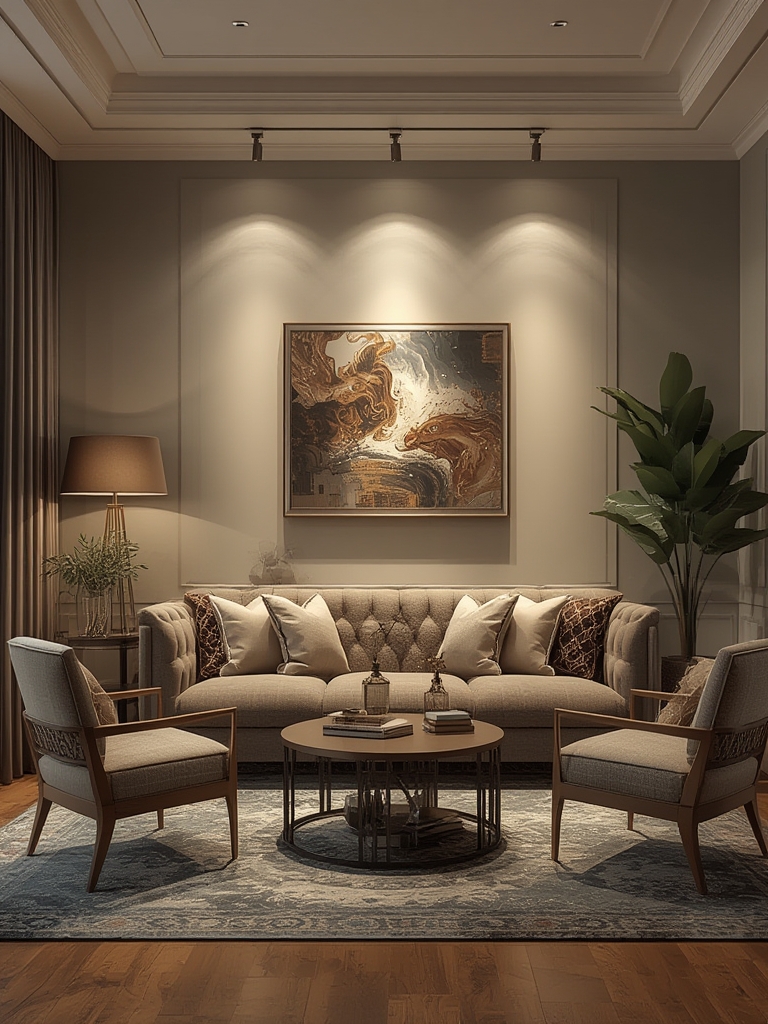
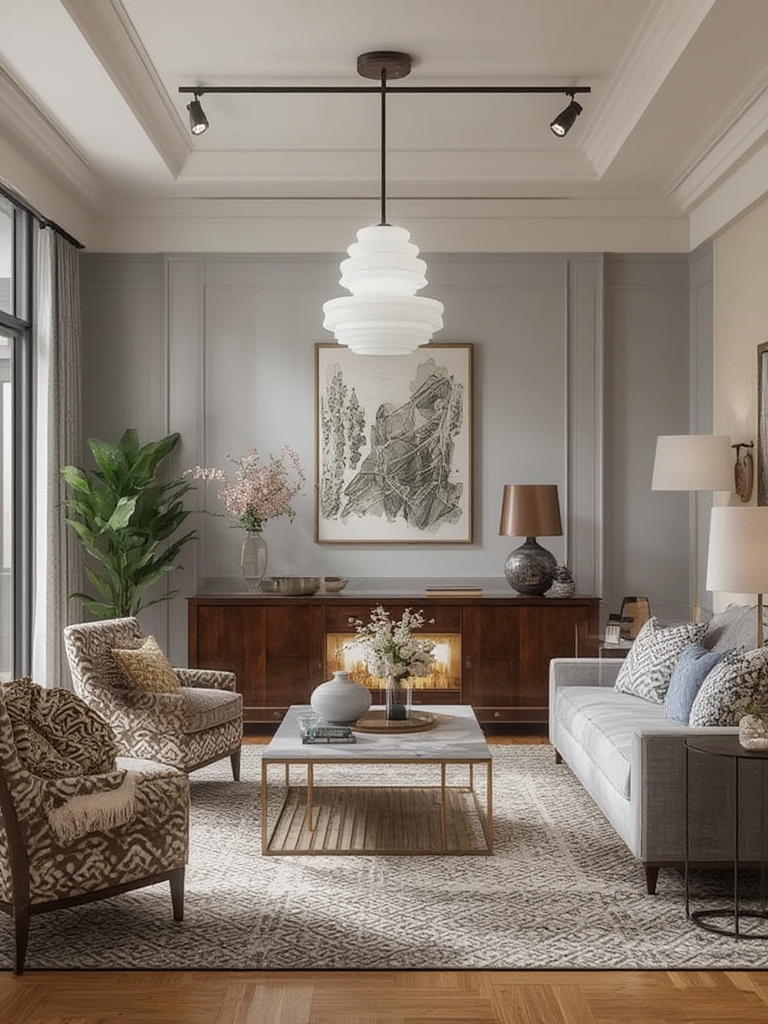
Grandmillennial style is the perfect blend of nostalgic charm and contemporary comfort, bringing the warmth of a bygone era into modern living spaces. This design movement celebrates heirloom patterns, plush textiles, and timeless furniture while embracing the practicality of today’s homes. Below, we’ll explore how to spotlight Grandmillennial aesthetics in your décor and provide a step‑by‑step guide to nurturing a classic houseplant that enhances this look.
Understanding the Grandmillennial Aesthetic
At its core, Grandmillennial design is a love letter to the past, reimagined for the present. Think floral prints, embroidered cushions, and vintage-inspired lighting—all paired with sleek, functional pieces. The style thrives on contrast: ornate details sit beside clean lines, and bold colors mingle with muted neutrals. By mastering these contrasts, you can create a space that feels both curated and lived‑in.
Key Elements to Highlight in Your Home
1. Classic Patterns and Textiles
Introduce chintz, toile, or damask fabrics through curtains, throw pillows, or upholstered chairs. Opt for mix‑and‑match patterns that share a common color palette to avoid visual chaos. A practical tip: start with a dominant pattern (e.g., a floral sofa) and layer secondary prints (e.g., striped cushions) in smaller doses.
2. Vintage‑Inspired Furniture
Seek out pieces with turned legs, carved details, or distressed finishes. A reclaimed wooden sideboard or a tufted armchair instantly adds character. When shopping, prioritize quality craftsmanship over size—smaller, well‑made items often have a bigger impact than oversized, mass‑produced furniture.
3. Warm Lighting
Choose fixtures that echo the past: brass sconces, crystal chandeliers, or lantern‑style table lamps. Use dimmable bulbs to create a cozy ambience in the evenings. A quick trick: place a warm‑tone LED strip behind a vintage mirror to add a subtle glow without overwhelming the space.
4. Decorative Accents
Incorporate heirloom‑style accessories such as porcelain vases, embroidered quilts, and antique frames. Group items in odd numbers (three or five) for a balanced look. To keep the décor from feeling cluttered, limit each surface to three focal pieces.
Integrating a Signature Houseplant
Plants are the living heart of any Grandmillennial interior, adding freshness and a touch of nature. The Fiddle Leaf Fig (Ficus lyrata) is a popular choice because its large, glossy leaves echo the bold patterns of the style while providing a sculptural element.
Step‑by‑Step Care Guide for the Fiddle Leaf Fig
Step 1: Selecting the Right Pot
- Choose a pot with drainage holes to prevent root rot.
- Opt for a neutral ceramic or terracotta pot that complements vintage décor.
- Place a layer of pea gravel at the bottom before adding soil for extra drainage.
Step 2: Soil Preparation
- Use a well‑draining potting mix—combine peat moss, perlite, and a touch of pine bark.
- Mix in a small amount of compost for nutrients.
- Test soil moisture with a finger; it should feel slightly damp, not soggy.
Step 3: Light Requirements
- Position the fig near a bright, east‑facing window for 4–6 hours of indirect sunlight.
- Avoid direct afternoon sun, which can scorch the leaves.
- If natural light is limited, supplement with a full‑spectrum LED grow light for 12 hours a day.
Step 4: Watering Routine
- Water when the top inch of soil feels dry—typically every 7–10 days.
- Water thoroughly until water drains from the bottom, then empty the saucer.
- During winter, reduce watering frequency as the plant’s growth slows.
Step 5: Humidity & Temperature
- Maintain indoor humidity around 40‑60%; use a pebble tray with water if the air is dry.
- Keep the plant in a stable environment—avoid drafts, heating vents, and sudden temperature drops.
- Ideal temperature range: 65‑75°F (18‑24°C).
Step 6: Feeding & Fertilizing
- Apply a balanced, water‑soluble fertilizer (10‑10‑10) once a month during the growing season (spring–summer).
- Dilute to half the recommended strength to avoid leaf burn.
- Stop fertilizing in fall and winter when growth naturally pauses.
Step 7: Pruning & Maintenance
- Trim any yellow or damaged leaves at the base using clean scissors.
- To encourage a bushier shape, pinch back the top growth after the plant reaches 3‑4 feet.
- Dust leaves weekly with a soft cloth to maximize photosynthesis.
Putting It All Together: A Cohesive Grandmillennial Room
Now that you have the décor fundamentals and a thriving plant, it’s time to arrange them harmoniously. Start by anchoring the room with a vintage sofa upholstered in a muted floral fabric. Place the Fiddle Leaf Fig beside a brass floor lamp, ensuring the plant receives its required light. Add a patterned rug and a set of mismatched, embroidered cushions to deepen the layered look. Finally, finish with a curated display of heirloom accessories—think a porcelain tea set on a reclaimed wooden sideboard, topped with a small stack of vintage books.
Quick SEO Checklist for Your Grandmillennial Blog Post
- Primary keyword: Grandmillennial style home decor
- Secondary keywords: vintage décor, houseplant care, Fiddle Leaf Fig tips
- Include the keyword in the first 100 words, in at least two H2 headings, and naturally throughout the content.
- Use descriptive alt text for any images (e.g., “Fiddle Leaf Fig in a terracotta pot beside a brass floor lamp”).
- Add internal links to related posts (e.g., “10 Vintage Lighting Ideas”) and an external link to a reputable plant‑care resource.
- End with a call‑to‑action encouraging readers to share their own Grandmillennial transformations.
By blending timeless design elements with thoughtful plant care, you’ll create a Grandmillennial sanctuary that feels both nostalgic and fresh. Follow these steps, experiment with textures, and watch your space—and your Fiddle Leaf Fig—thrive.
