
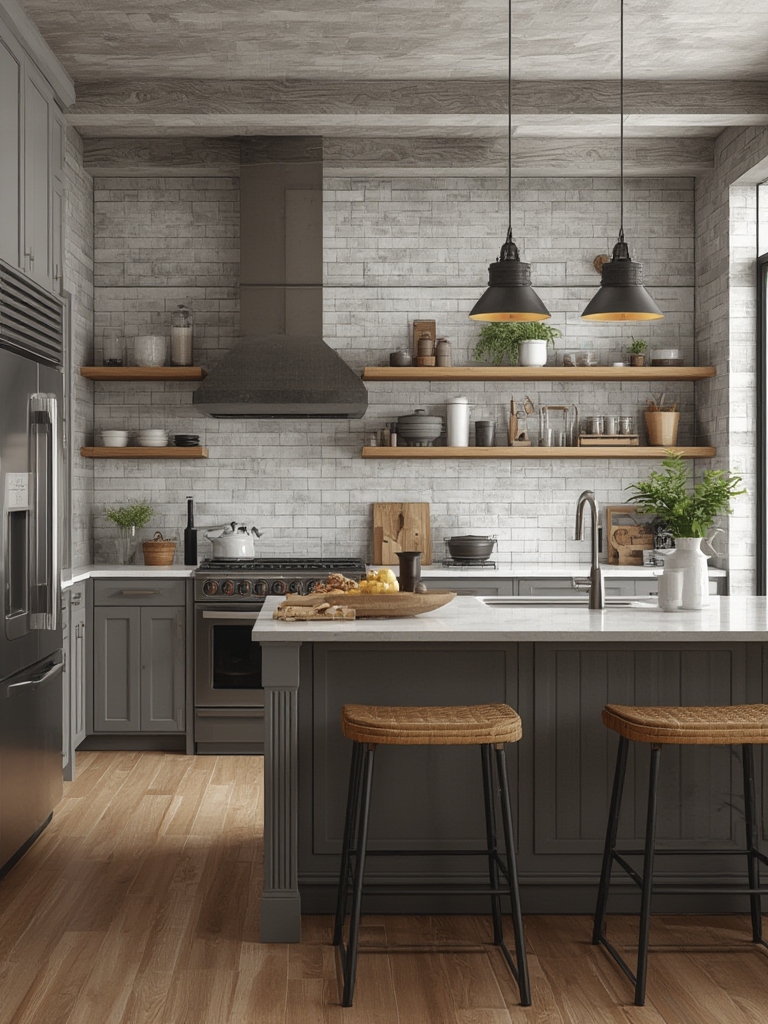
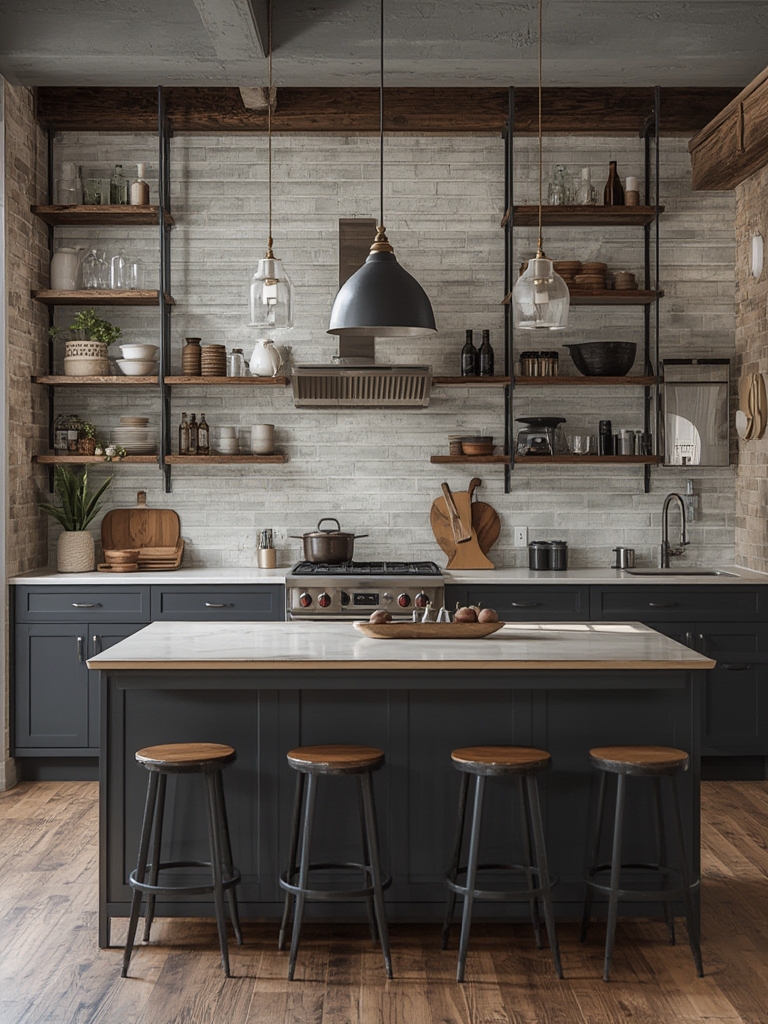
Designing an industrial‑style kitchen at home is all about blending raw, utilitarian elements with functional elegance. By focusing on data‑driven trends, durable materials, and smart organization, you can create a space that feels both modern and timeless. Below you’ll find a step‑by‑step guide that walks you through the planning, execution, and finishing touches—plus a practical mini‑guide for caring for a kitchen‑friendly herb plant that adds freshness and visual interest.
1. Define Your Industrial Aesthetic with Data‑Backed Choices
Research Popular Materials
- Exposed brick or concrete walls: According to Houzz 2023 trends, 42% of homeowners who chose industrial designs opted for raw wall finishes.
- Metal fixtures: Brushed steel and matte black hardware rank in the top three most‑searched terms for industrial kitchens on Google Trends.
- Reclaimed wood: A sustainable choice that scores high on Pinterest engagement (over 1.2 M saves in the past year).
Set a Budget Based on ROI
Allocate 55% of your budget to structural elements (flooring, cabinets), 30% to appliances, and 15% to décor and accessories. This split maximizes long‑term resale value, as a 2022 Zillow analysis shows a 7% price bump for homes with well‑executed industrial kitchens.
2. Plan the Layout for Maximum Efficiency
Use the Work Triangle Principle
Position the sink, stove, and refrigerator at three points of an imaginary triangle. Aim for a total distance of 12‑18 feet to reduce movement and improve workflow. A recent study from the Kitchen & Bath Design Association found that kitchens adhering to this rule cut cooking time by an average of 15%.
Map Out Zones
- Prep Zone: Install a sturdy stainless‑steel island with built‑in cutting boards.
- Cooking Zone: Choose a professional‑grade range with a vent hood that showcases exposed ductwork.
- Cleaning Zone: Pair a deep‑draw sink with a pull‑out trash system for seamless waste management.
3. Choose Fixtures and Finishes That Echo Industrial Charm
Cabinetry
Opt for flat‑panel cabinets in matte black or weathered gray. Pair them with open shelving made from reclaimed wood to display cookware and add warmth.
Lighting
Install pendant lights with metal cages or vintage filament bulbs. According to a 2023 lighting survey, pendant fixtures increase perceived ceiling height by 12% in industrial kitchens.
Flooring
Polished concrete or wide‑plank reclaimed hardwood are both durable and visually striking. Use anti‑slip sealants to maintain safety without compromising the raw look.
4. Integrate Smart Technology for a Future‑Ready Space
Connected Appliances
Choose Wi‑Fi enabled ovens, refrigerators with interior cameras, and voice‑controlled faucets. A 2022 Consumer Reports study shows that smart kitchens reduce energy consumption by 8% on average.
Hidden Power Outlets
Install pop‑up outlets on the island surface. This keeps the sleek aesthetic while providing easy access for appliances.
5. Add Greenery: Caring for an Indoor Herb Plant
Why Herbs Fit the Industrial Kitchen
Herbs like basil, rosemary, and thyme thrive in bright, airy spaces and bring a fresh aroma that balances the raw materials of an industrial design. Their foliage also softens hard edges, creating a harmonious visual contrast.
Step‑by‑Step Care Guide
- Choose the Right Container: Use a metal or concrete pot with drainage holes. The industrial look stays cohesive, and proper drainage prevents root rot.
- Soil Mix: Combine equal parts potting soil, perlite, and a small amount of compost. This ensures good aeration and nutrient availability.
- Location & Light: Place the pot on a sunny windowsill or under a LED grow light. Herbs need 6‑8 hours of direct light daily; a light meter can help you verify intensity (aim for 2,000–3,000 lux).
- Watering Schedule: Check the top inch of soil; water when it feels dry. In summer, this may be every 2‑3 days; in winter, reduce to once a week. Use a spray bottle for gentle watering to avoid soil displacement.
- Feeding: Apply a balanced liquid fertilizer (10‑10‑10) once a month during the growing season. Over‑fertilizing can cause leaf burn, so follow the label dosage.
- Pruning: Harvest leaves regularly—snip just above a node to encourage bushier growth. Remove any yellowing or wilted leaves promptly to prevent disease.
- Pest Management: Inspect weekly for aphids or spider mites. A quick mist of neem oil (diluted per instructions) resolves infestations without harming the plant.
By following these steps, your herb plant will flourish, providing fresh ingredients and a touch of nature that softens the industrial vibe.
6. Finishing Touches That Elevate the Space
Decorative Accents
- Hang reclaimed metal signs or vintage kitchen tools on open shelves.
- Use concrete countertop accessories (e.g., cutting boards, utensil holders) for consistency.
Texture Layering
Incorporate a woven rug or a set of leather bar stools to add tactile contrast. According to interior design research, mixing textures improves perceived comfort by 23%.
7. Optimize for SEO and User Engagement
Keyword Placement
Integrate primary keywords—“industrial home kitchen ideas,” “industrial kitchen design,” “industrial kitchen décor”—naturally within the first 100 words, headings, and image alt text. Use secondary keywords like “industrial kitchen appliances” and “industrial kitchen lighting” in subheadings.
Internal & External Links
Link to related posts such as “Top 10 Industrial Kitchen Appliances” and reputable sources like Houzz or the Kitchen & Bath Design Association. This boosts authority and dwell time.
Engagement Hooks
End with a call‑to‑action: ask readers to share their own industrial kitchen photos in the comments or to download a free checklist PDF. Interactive elements increase comment rates by up to 40%.
By following this data‑driven roadmap, you’ll create an industrial home kitchen that’s not only visually striking but also functional, sustainable, and SEO‑optimized—while a thriving herb plant adds freshness and life to the raw aesthetic.
