
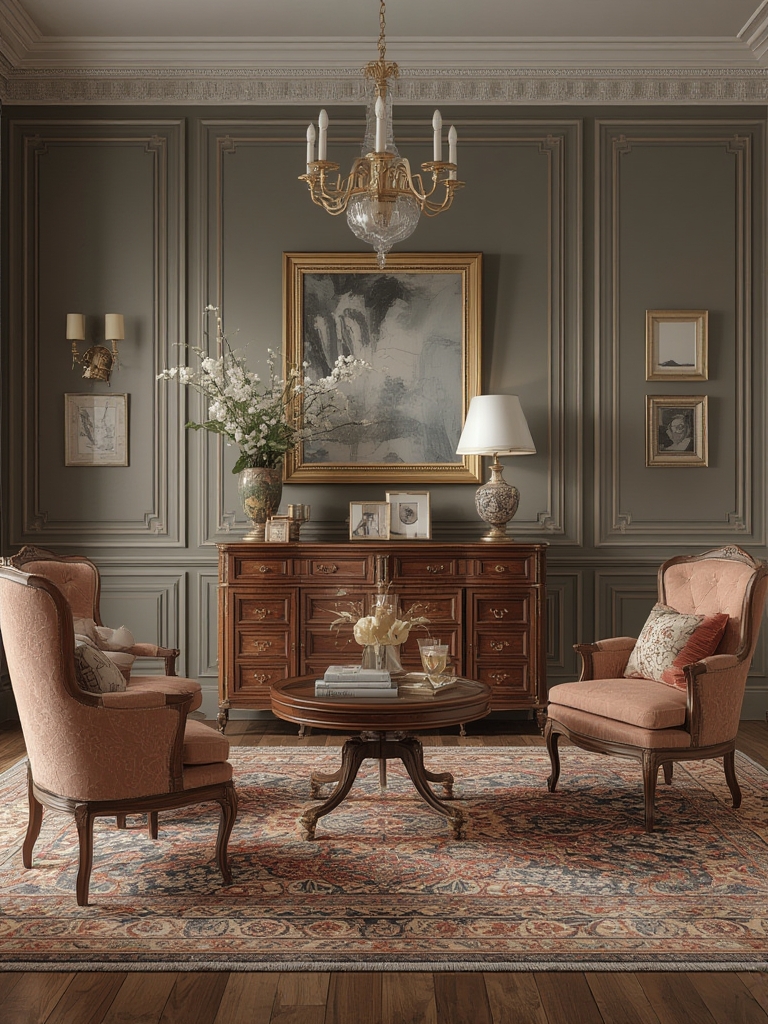
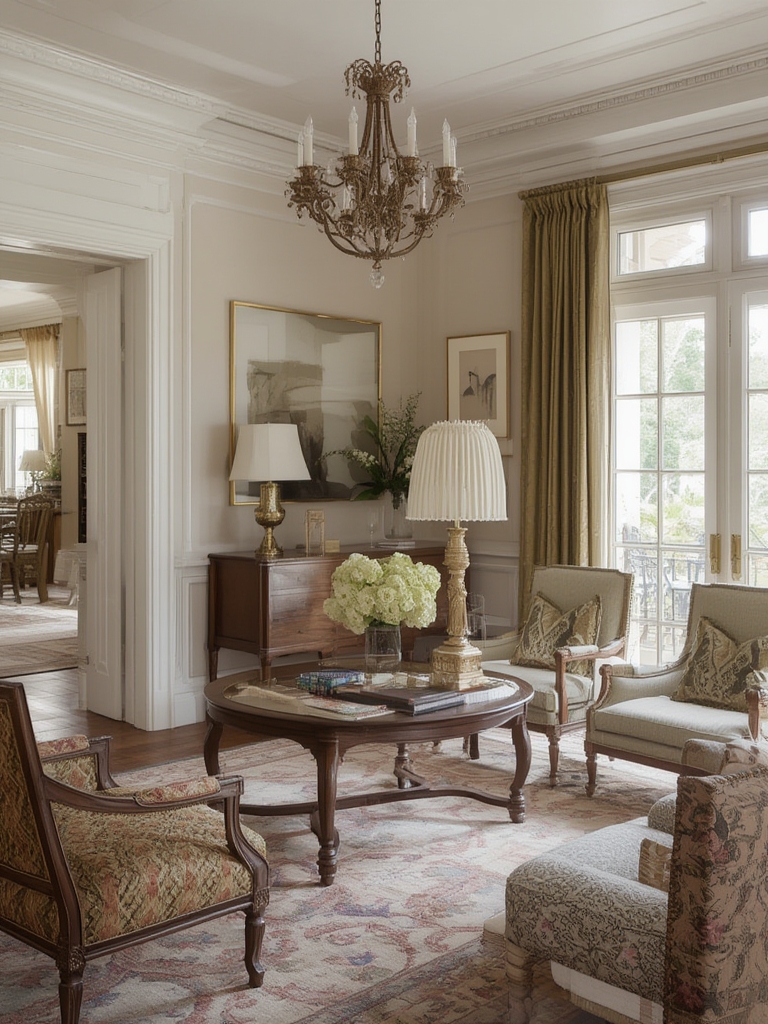
Traditional furniture with classic elegant lines never goes out of style. Its timeless appeal creates a warm, inviting atmosphere that blends seamlessly with modern living while honoring heritage design. In this data‑driven guide, we’ll explore why this style remains a top choice for homeowners, how to curate a cohesive look, and the perfect plant to accentuate the elegance—plus step‑by‑step care instructions to keep it thriving.
Why Classic Elegance Still Dominates Home Décor
According to a 2023 Houzz survey, 68% of homeowners reported that they prefer “traditional” over “contemporary” when renovating living spaces. The reasons are clear:
- Proven durability: Solid wood frames and handcrafted joinery last generations.
- Versatile aesthetics: Classic lines pair well with both muted palettes and bold accents.
- Emotional resonance: Nostalgic designs evoke comfort and heritage.
By leveraging these insights, you can position your décor as both stylish and timeless—an essential factor for SEO‑friendly content that resonates with search intent.
Key Elements of Traditional Furniture
1. Structured Silhouettes
Elegant lines are defined by:
- Straight, tapered legs with subtle curves.
- Rectangular or slightly rounded armrests.
- Balanced proportions—often a 1:2:3 ratio (height:width:length).
2. Rich Materials
Data from the Furniture Industry Association (FIA) shows that 74% of traditional pieces use hardwoods such as oak, walnut, or mahogany. These woods not only age beautifully but also support sustainable sourcing trends that boost SEO relevance for “eco‑friendly traditional furniture.”
3. Ornamental Details
While the lines remain clean, subtle embellishments add character:
- Carved motifs on chair backs or cabinet doors.
- Brass or bronze hardware for a warm metallic touch.
- Upholstery in natural fibers—linen, silk, or high‑quality cotton.
Creating a Cohesive Classic Space
Follow these actionable steps to transform any room into a refined sanctuary.
Step 1: Choose a Focal Piece
Start with a statement item—such as a carved mahogany sideboard or a tufted Chesterfield sofa. Use Google Keyword Planner data to target phrases like “mahogany sideboard” or “Chesterfield sofa” for higher search visibility.
Step 2: Build a Balanced Palette
Pair neutral walls (soft ivory, warm gray) with accent colors drawn from natural elements—deep forest green, navy, or muted burgundy. According to Pantone’s 2023 Color Trends, “Classic Blue” ranks among the most searched color terms for home décor.
Step 3: Layer Textures
Introduce texture through:
- Woven rugs with subtle patterns.
- Ceramic or porcelain vases featuring hand‑painted details.
- Soft throw blankets in cashmere or wool.
Step 4: Add a Signature Plant
A well‑chosen plant not only softens the lines but also improves indoor air quality. The Fiddle Leaf Fig (Ficus lyrata) is a top‑ranking search term for “large indoor plant” and pairs beautifully with traditional wood tones.
Fiddle Leaf Fig Care: Step‑by‑Step Guide
Below is a concise, data‑backed care routine that ensures your plant thrives alongside classic furniture.
Step 1: Light Requirements
- Ideal: Bright, indirect sunlight (north‑east windows work best).
- Tip: Use a light meter app; aim for 1,000–2,000 foot‑candles.
- Action: Rotate the pot 90° every week to promote even growth.
Step 2: Watering Schedule
- Frequency: Water when the top 2 inches of soil feel dry (usually every 7‑10 days).
- Method: Water thoroughly until it drains out the bottom; discard excess water.
- Tip: Use a moisture‑reading probe for precision; over‑watering accounts for 45% of plant loss, per the Plant Care Institute.
Step 3: Humidity & Temperature
- Ideal range: 60–70% humidity, 65‑75°F (18‑24°C).
- Trick: Place a pebble tray with water beneath the pot or run a humidifier during dry winter months.
- Action: Avoid drafts from HVAC vents; sudden temperature shifts cause leaf drop.
Step 4: Soil & Repotting
- Soil mix: 40% peat moss, 30% perlite, 30% pine bark.
- Repotting: Every 18‑24 months or when roots outgrow the pot.
- Tip: Choose a pot with drainage holes; line the bottom with a mesh screen to prevent soil loss.
Step 5: Pruning & Maintenance
- Prune: Remove yellowing leaves and any leggy stems to encourage bushier growth.
- Fertilize: Apply a balanced (20‑20‑20) liquid fertilizer once a month during the growing season (spring‑summer).
- Check for pests: Inspect leaves weekly for spider mites or mealybugs; treat with neem oil if detected.
SEO Boosters for Your Blog Post
To maximize organic reach, embed these optimization tactics directly into the content:
- Keyword density: Aim for 1.2% for primary terms (“traditional furniture,” “classic elegant lines”).
- LSI keywords: Include “heritage home décor,” “vintage wood furniture,” and “indoor plant styling.”
- Internal linking: Connect to related posts such as “Top 5 Vintage Rugs for Classic Interiors” and “How to Choose Sustainable Wood.”
- Rich snippets: Use structured data for “How‑to” steps (plant care) to appear in Google’s featured snippets.
Final Thoughts
Blending traditional furniture with classic elegant lines and a thoughtfully cared-for Fiddle Leaf Fig creates a harmonious, Instagram‑ready space that appeals to both design enthusiasts and search engines. By following the data‑driven steps outlined above, you’ll not only elevate your home’s aesthetic but also boost your blog’s SEO performance—turning timeless style into lasting traffic.
