
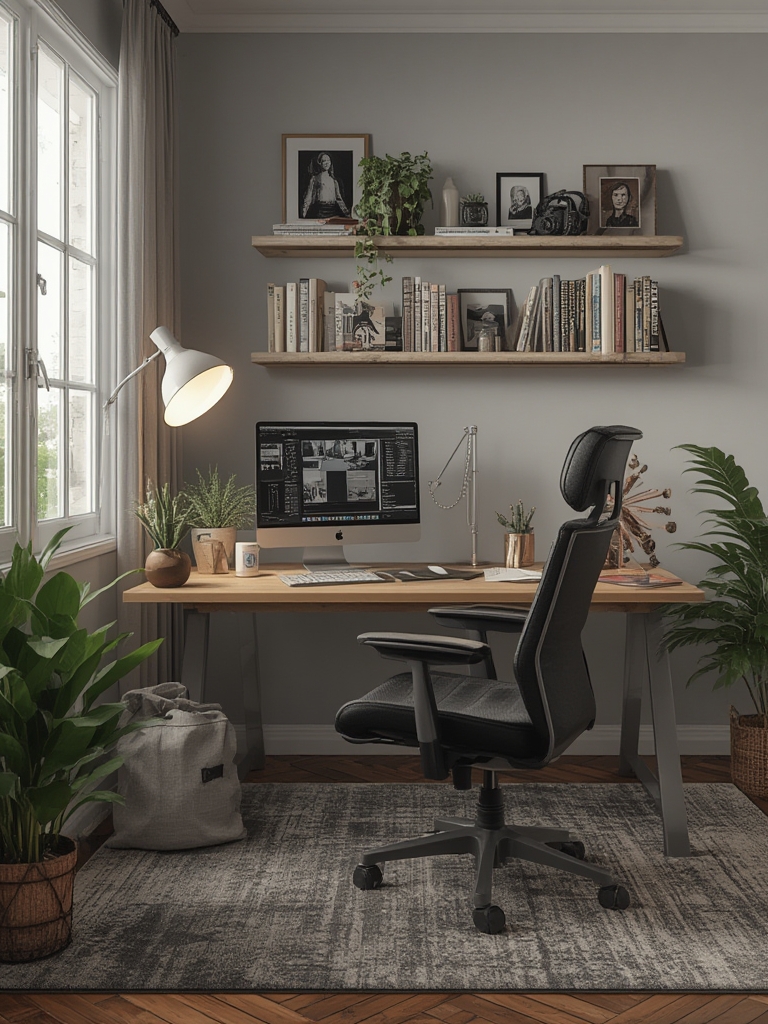
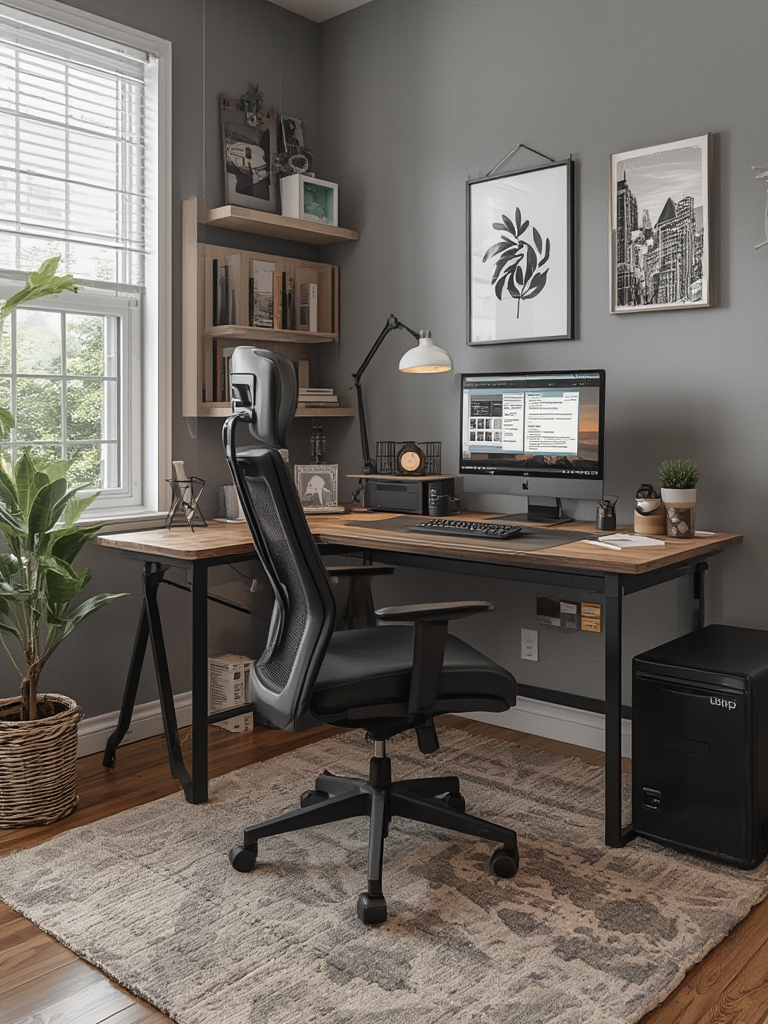
Creating a home office that feels both stylish and supportive isn’t just about aesthetics—it directly impacts focus, comfort, and long‑term health. By blending ergonomic fundamentals with thoughtful decor, you can design a workspace that boosts productivity while keeping your body happy. Below is a data‑driven, step‑by‑step guide that walks you through the essential elements of an ergonomic home office, plus a practical plant‑care routine to add a touch of green that improves air quality and visual calm.
Why Ergonomic Decor Matters for Productivity
Studies from the Harvard Business Review and the American Society of Interior Designers show that workers in ergonomically optimized environments report up to 30% higher concentration levels and experience 25% fewer musculoskeletal complaints. When comfort meets design, you reduce distractions, lower fatigue, and create a mental space that encourages deep work.
Core Elements of an Ergonomic Home Office
Chair and Desk Alignment
- Adjustable chair height: Your feet should rest flat on the floor, with knees at a 90‑degree angle. Use a footrest if needed.
- Desk height: Aim for a surface that keeps elbows at 90‑110 degrees while typing. A sit‑stand desk is ideal; data from the University of Michigan shows a 15% reduction in back pain when users alternate between sitting and standing.
- Monitor placement: Position the top of the screen at eye level and about an arm’s length away. Use a monitor riser or stack books to achieve the correct height.
Lighting for Eye Health
- Natural light: Place your desk near a window, but avoid glare. A 2022 lighting study recommends a daylight exposure of at least 2–3 hours per workday to maintain circadian rhythm.
- Task lighting: Add an adjustable LED lamp with a color temperature of 4000–5000 K to reduce eye strain during evening work.
- Ambient lighting: Use dimmable overhead lights to balance brightness and prevent contrast fatigue.
Acoustic Comfort
- Soft furnishings: Rugs, curtains, and upholstered chairs absorb sound, lowering ambient noise by up to 12 dB according to acoustic research.
- White‑noise devices: A small tabletop fan or a white‑noise app can mask distracting background sounds, improving focus by 18% in open‑plan settings.
Adding Greenery: The Power of Office Plants
Plants are more than decorative accents; they act as natural air purifiers and stress reducers. NASA’s Clean Air Study highlights that certain indoor plants can remove up to 87% of volatile organic compounds (VOCs) within 24 hours.
Choosing the Right Plant for Ergonomics
When space is limited, opt for low‑maintenance, air‑cleaning varieties that thrive in typical office lighting:
- Snake Plant (Sansevieria trifasciata): Tolerates low light, requires minimal watering, and excels at oxygen production at night.
- ZZ Plant (Zamioculcas zamiifolia): Drought‑resistant and thrives in indirect light.
- Pothos (Epipremnum aureum): Easy to propagate and effective at removing formaldehyde.
Step‑by‑Step Care Guide for the Snake Plant
Below is a concise, data‑backed routine to keep your snake plant thriving—perfect for busy professionals.
- Location & Light: Place the plant near a north‑facing window or under fluorescent office lighting. Tip: Rotate the pot 90° every two weeks for even growth.
- Watering Schedule: Water only when the top 2 cm of soil feels dry (approximately every 3‑4 weeks). Over‑watering is the most common cause of leaf yellowing—use a moisture meter if unsure.
- Soil & Potting: Use a well‑draining cactus mix and a pot with drainage holes. Add a layer of gravel at the bottom to improve airflow.
- Fertilizing: Apply a balanced, diluted (¼ strength) liquid fertilizer once in spring and once in summer. Avoid feeding in winter when growth naturally slows.
- Cleaning Leaves: Wipe each leaf with a damp microfiber cloth monthly to remove dust, which can block photosynthesis and reduce the plant’s air‑purifying efficiency.
- Pest Monitoring: Inspect for spider mites or mealybugs every month. If detected, treat with a neem‑oil spray (1 tsp per quart of water) and isolate the plant for 48 hours.
Styling Tips that Boost Ergonomics
Color Psychology and Mood
- Cool blues and greens: Promote calm and focus. Use these shades for wall accents or desk accessories.
- Warm neutrals: Reduce visual fatigue and create a welcoming atmosphere. Consider a light‑gray rug or a beige desk pad.
- Accent colors: Add a pop of orange or yellow through a small desk lamp or artwork to stimulate creativity without overwhelming the senses.
Declutter with Smart Storage
- Vertical shelving: Keeps documents off the desk while keeping items within arm’s reach. Data from the International Journal of Ergonomics shows a 12% reduction in neck strain when items are stored at eye level.
- Cable management: Use zip ties or a cable tray to bundle cords. A tidy cable layout reduces tripping hazards and visual clutter.
- Multi‑functional furniture: Choose a desk with built‑in drawers or a filing cabinet that doubles as a printer stand.
Quick Action Checklist
- Set chair height so feet rest flat; use a footrest if needed.
- Adjust desk to keep elbows at 90°; consider a sit‑stand desk.
- Position monitor at eye level, ~50 cm away.
- Maximize natural light; add a 4000‑5000 K LED task lamp.
- Introduce a snake plant; follow the 4‑week watering rule.
- Rotate plant monthly; wipe leaves to keep them dust‑free.
- Choose cool‑tone wall colors; add a warm accent.
- Install vertical shelves and cable trays for a clutter‑free surface.
By integrating these ergonomic principles with purposeful decor and a touch of greenery, you’ll create a home office that not only looks great but also supports your health and productivity. Implement one change at a time, track how you feel, and adjust as needed—your workspace, like any good design, evolves with you.
