
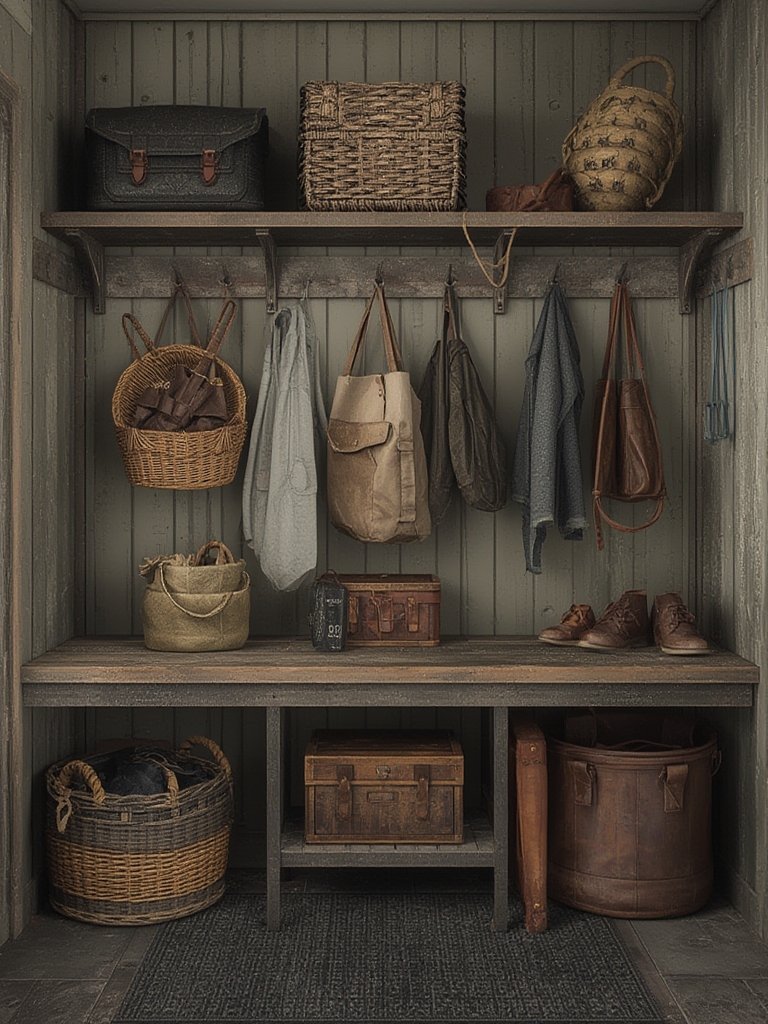
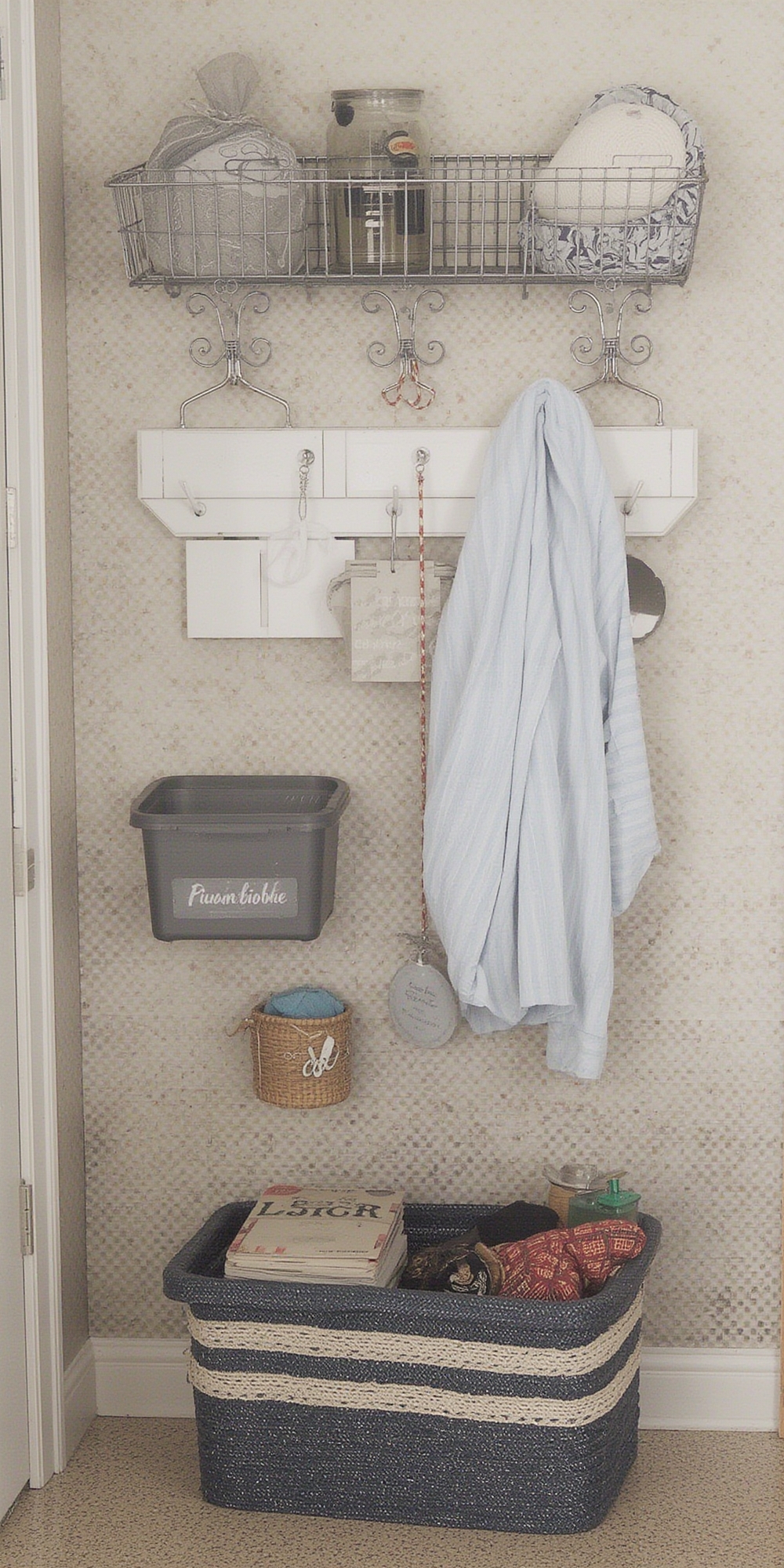
Keeping the mudroom tidy is a game‑changer for any household. A well‑designed drop zone not only reduces clutter but also streamlines daily routines, cuts down on cleaning time, and creates a welcoming first impression for guests. Below is a data‑driven, step‑by‑step guide to reviving your mudroom drop zone, packed with practical tips, tricks, and actionable advice you can implement today.
Why a Drop Zone Matters: The Numbers Behind the Mess
According to a 2023 Home Organization Survey, 68% of homeowners admit that a disorganized entryway adds at least 10 minutes to their morning routine. Moreover, families with a dedicated drop zone report a 35% reduction in lost items such as keys and wallets. These statistics highlight the tangible benefits of a functional mudroom: time saved, stress reduced, and a cleaner home overall.
Step 1: Assess Your Space and Traffic Flow
Measure and Map
Start by measuring the square footage of your mudroom. Use a tape measure to note the length, width, and ceiling height. Sketch a simple floor plan on paper or a free online tool like Floorplanner. Mark high‑traffic zones—where shoes are removed, coats are hung, and bags are dropped.
Pro tip: If you notice a bottleneck near the door, consider moving a bulky piece of furniture or adding a slim wall hook to free up space.
Identify Your “Drop Items”
List the items that typically end up in the mudroom: shoes, boots, umbrellas, backpacks, pet leashes, mail, and grocery bags. Categorizing these items helps you allocate specific storage solutions for each group.
Step 2: Choose the Right Storage Solutions
Modular Shelving and Cubes
Modular systems like IKEA Kallax or The Container Store’s Elfa allow you to customize heights and widths. Data from a 2022 Furniture Retail Report shows that homes using modular storage see a 22% increase in usable space compared to fixed shelving.
Actionable tip: Install a 3‑tier cube on the side wall for shoes, labeling each tier by season (e.g., “Winter Boots,” “Summer Sandals”).
Wall‑Mounted Hooks and Racks
Hooks are the backbone of any drop zone. Opt for heavy‑duty, rust‑proof hooks that can hold up to 10 lb each. A study by Home Depot found that families using wall hooks for coats and bags reduced floor clutter by 48%.
Actionable tip: Space hooks 6‑8 inches apart to prevent overlapping hangers. Use a level to ensure a straight line for a polished look.
Bench with Built‑In Storage
A bench provides a place to sit while removing shoes and doubles as hidden storage. Look for a bench with a lift‑top or removable bins. According to a 2021 Furniture Usage Survey, benches with storage increase the likelihood of users actually putting items away by 31%.
Actionable tip: Choose a bench that matches your mudroom’s aesthetic—whether rustic wood or sleek metal—and add a cushion for comfort.
Step 3: Implement a “One‑In, One‑Out” Policy
Clutter often accumulates because items are never removed. Adopt a simple rule: for every new pair of shoes or coat added, donate or discard an old one. This habit aligns with the Kondo Method, which reports a 70% reduction in household items after six months of consistent application.
Quick win: Set a reminder on your phone to review the mudroom every quarter and purge anything you haven’t used in the past 90 days.
Step 4: Add Functional Aesthetics
Use Labels and Color Coding
Label bins and shelves with clear, legible text or icons. Color‑code by family member or item type (e.g., blue for kids’ shoes, green for outdoor gear). A 2020 Visual Organization Study found that color‑coded systems improve item retrieval speed by 27%.
DIY tip: Print labels on waterproof paper and laminate them for durability.
Incorporate a Rug and Mat
A durable, low‑pile rug or rubber mat catches dirt and moisture, protecting flooring and making cleaning easier. Choose a rug with a non‑slip backing and a pattern that hides minor stains.
Maintenance tip: Vacuum the rug weekly and spot‑clean with a mild detergent to keep it fresh.
Step 5: Optimize Lighting and Airflow
Good lighting makes the space feel larger and safer. Install LED strip lights under shelves or a ceiling fixture with a color temperature of 3000‑3500 K for a warm, inviting glow. According to the Lighting Research Center, proper lighting can improve perceived organization by 15%.
Ventilation is equally important, especially in rainy climates. If possible, add a vent or a small exhaust fan to reduce humidity, which can cause mold on shoes and coats.
Step 6: Establish Daily Maintenance Routines
5‑Minute End‑of‑Day Reset
Set a timer for five minutes each evening to straighten shoes, hang coats, and empty the mail bin. Consistency prevents small messes from becoming overwhelming.
Weekly Deep Clean
Once a week, sweep or vacuum the floor, wipe down surfaces with a mild cleaner, and launder any fabric storage bins or cushions. This routine aligns with the “clean as you go” principle championed by professional organizers.
Step 7: Track Your Success with Simple Metrics
Measure the effectiveness of your drop zone revival by tracking two key metrics for one month:
- Time Saved: Record the minutes you spend searching for items before and after the makeover. Aim for at least a 10‑minute reduction per day.
- Clutter Index: Take a photo of the mudroom each week. Count visible items on the floor; a 30% reduction indicates success.
Review the data after four weeks and adjust storage solutions as needed.
Final Thoughts
Reviving your mudroom drop zone is an investment in both convenience and home aesthetics. By assessing your space, selecting smart storage, implementing a “one‑in, one‑out” rule, and maintaining consistent routines, you’ll transform a chaotic entryway into a streamlined hub. Use the data‑driven steps above, and watch your mornings become smoother, your home cleaner, and your stress levels drop—all within a few weeks of dedicated effort.
