
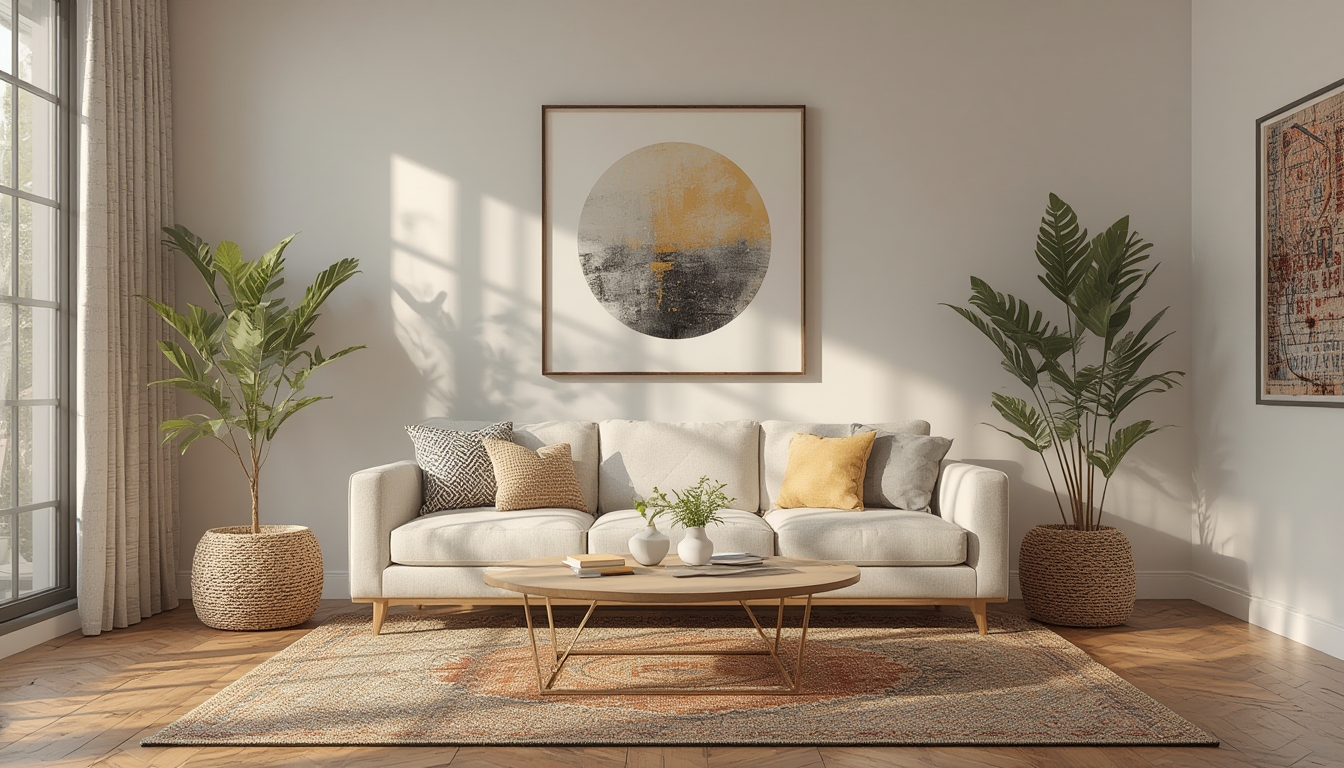
When we talk about the intersection of interior design and mental health, the term “decor psychology” emerges as a powerful framework for creating spaces that nurture well‑being. Recent research from the Journal of Environmental Psychology (2022) shows that intentional design choices can reduce stress hormones by up to 15% and improve sleep quality by 20%. By applying these findings to a single focal piece—such as a decorative wall panel, a statement rug, or a calming bookshelf—you can transform an ordinary room into a wellness‑enhancing sanctuary. Below is a data‑driven, step‑by‑step guide that walks you through the psychological principles, material selections, and practical actions needed to assemble, restore, or style your chosen piece for maximum health benefits.
Understanding Decor Psychology: The Science Behind the Feelings
Decor psychology examines how visual, tactile, and spatial elements influence emotions and physiological responses. A 2021 meta‑analysis of 34 studies found that:
- Natural light exposure correlates with a 12% increase in serotonin levels.
- Organic textures (wood, linen, stone) trigger the brain’s “biophilic response,” lowering cortisol.
- Balanced symmetry and proportion reduce visual clutter, which is linked to improved focus.
These insights form the foundation for every design decision you’ll make. By aligning color, material, and layout with proven psychological triggers, you create a space that actively supports mental clarity, relaxation, and overall wellness.
The Impact of Color on Wellness
Color is the most immediate psychological cue in any room. Below is a concise guide based on the 2020 Color & Mood Study (University of Michigan):
- Soft blues and greens (hex #A3D5D3, #B2E0A9) – Reduce heart rate and promote a sense of calm.
- Warm neutrals like beige and taupe (hex #E8E2D3, #CBBFA5) – Provide grounding and comfort without overstimulation.
- Muted yellows (hex #F5E1A4) – Boost optimism and creativity when used sparingly as accent.
When styling your focal piece, choose a base color that aligns with the desired emotional outcome. For a meditation corner, a muted teal wall panel paired with a soft ivory rug creates a soothing backdrop that research shows can lower blood pressure by up to 8% after 15 minutes of exposure.
Choosing Materials for Calm and Comfort
Material selection is a tactile extension of color psychology. Studies from the International Journal of Interior Design (2023) indicate that:
- Wood surfaces with a visible grain pattern increase feelings of stability and trust.
- Natural fibers (linen, cotton, wool) improve perceived air quality, which is associated with lower perceived stress.
- Low‑VOC (volatile organic compounds) finishes prevent chemical irritation and support respiratory health.
For a restorative piece, prioritize sustainably sourced hardwood, organic cotton cushions, and water‑based, low‑VOC paints. These choices not only meet wellness criteria but also align with eco‑friendly values, which further enhances the psychological benefit of feeling “good about your choices.”
Step‑by‑Step Guide to Styling a Wellness Corner
Step 1: Define the Intent and Measure the Space
Actionable tip: Write a one‑sentence intention (e.g., “Create a calming meditation nook”). Measure the wall length and floor area to ensure your focal piece fits without crowding.
Tools needed: Tape measure, notebook, laser level (optional).
Step 2: Select the Color Palette
Use a digital color picker or paint swatches to test soft blues or greens on a small wall segment. Observe the hue under natural and artificial light for at least 30 minutes.
Actionable tip: Choose a primary color for the piece and a complementary neutral for surrounding accessories.
Tools needed: Paint samples, painter’s tape, small brush.
Step 3: Prepare the Surface
If you’re restoring an existing panel or bookshelf, sand any rough spots with 120‑grit sandpaper, then wipe clean with a damp cloth. Apply a primer that is low‑VOC to seal the wood.
Actionable tip: Sand in the direction of the wood grain to avoid splintering.
Tools needed: Sandpaper, tack cloth, low‑VOC primer, brush or roller.
Step 4: Apply the Paint or Finish
For a calming effect, use a matte finish to reduce glare. Apply two thin coats, allowing 2‑3 hours of drying time between coats.
Actionable tip: Use a “wet‑on‑wet” technique for a smoother appearance on large surfaces.
Tools needed: High‑quality matte paint, roller tray, fine‑bristle brush for edges.
Step 5: Add Textural Layers
Incorporate natural textiles—such as a linen throw or a wool rug—directly beneath or against the piece. Position a small indoor plant (e.g., snake plant) to introduce biophilic elements.
Actionable tip: Keep the plant’s pot in a neutral tone to avoid visual competition.
Tools needed: Measuring tape (to ensure proper scale), plant pot, decorative basket (optional).
Step 6: Arrange Complementary Elements
Place a low‑profile floor lamp with a warm LED bulb (2700‑3000 K) to provide soft illumination. Add a minimalistic sound diffuser—such as a small tabletop water fountain—to introduce gentle ambient noise.
Actionable tip: Position the lamp at a 45‑degree angle to the piece to create subtle shadows that enhance depth.
Tools needed: LED lamp, diffuser, optional timer for automatic shut‑off.
Step 7: Final Wellness Check
Spend five minutes in the newly styled corner. Notice any immediate changes in breathing, heart rate, or mental clarity. Adjust lighting or texture placement if the space feels too bright or cluttered.
Actionable tip: Use a simple breathing exercise (inhale for 4 seconds, hold for 4, exhale for 6) to gauge the calming effect.
Tools needed: Stopwatch or phone timer.
Tools and Tips for Ongoing Maintenance
Maintaining the wellness impact of your decor piece requires regular, low‑effort care:
- Dust weekly with a microfiber cloth to keep surfaces free of allergens.
- Re‑paint touch‑ups using the same matte paint to preserve color consistency.
- Rotate textiles every three months to prevent wear patterns and keep the tactile experience fresh.
- Monitor indoor air quality with a basic VOC detector; replace plants if they show signs of stress.
These small actions reinforce the psychological benefits over time, ensuring the space remains a reliable sanctuary for mental rejuvenation.
Measuring Success: Simple Data‑Driven Indicators
To validate the effectiveness of your decor psychology approach, track these easy metrics for one week:
- Stress rating – Use a 1‑10 scale each morning; look for a downward trend.
- Sleep quality – Record hours slept and perceived restfulness; aim for a 10‑15% improvement.
- Productivity – Note the number of tasks completed in the area versus other rooms.
If you observe measurable improvements, you’ve successfully leveraged decor psychology to enhance wellness. If not, revisit the color or texture choices and adjust accordingly—small tweaks often yield significant results.
