
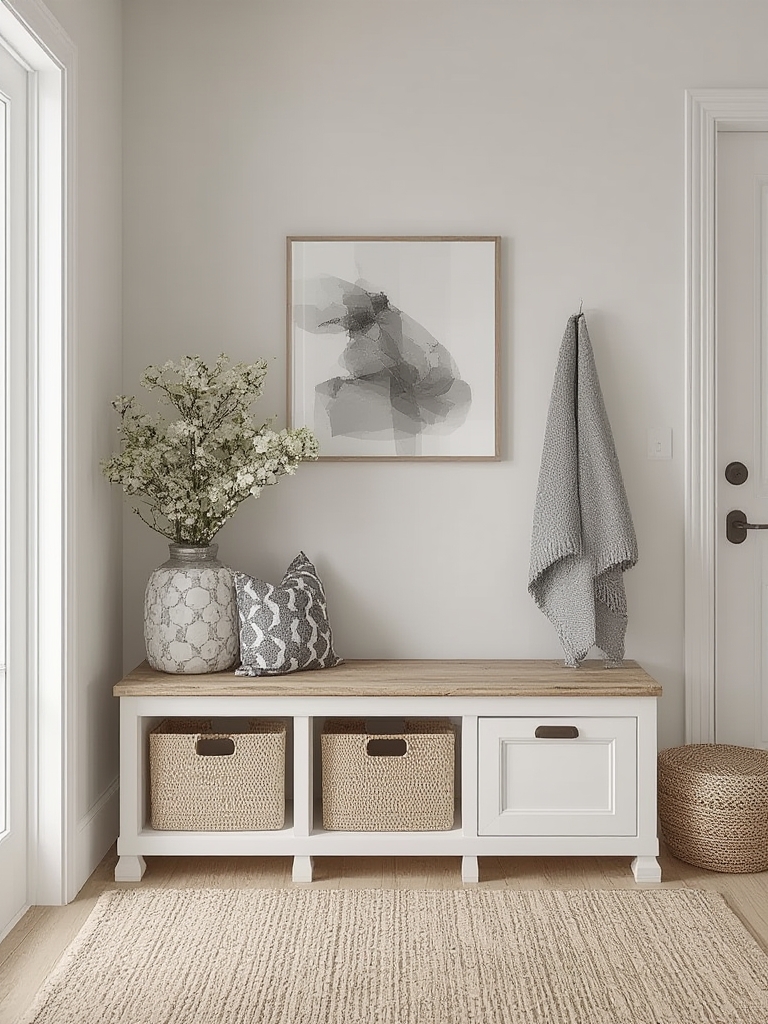
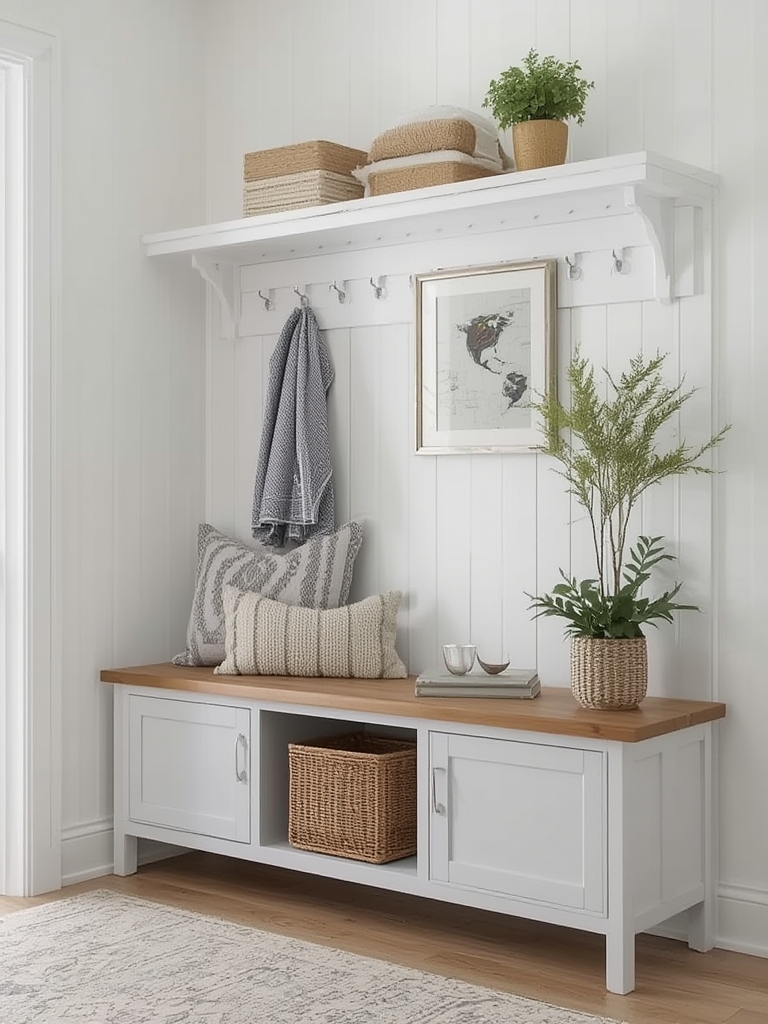
Scandinavian entryway benches are the perfect blend of minimalist design and practical storage, turning a simple hallway into a welcoming, organized space. By focusing on clean lines, natural materials, and functional details, you can create a Nordic‑inspired focal point that not only looks great but also solves everyday clutter problems. Below you’ll find a data‑driven guide that walks you through choosing the right bench, styling it with complementary décor, and even caring for a small indoor plant that can add a fresh touch to the arrangement.
Why a Scandinavian Entryway Bench Works
Research from interior‑design trend reports (e.g., Houzz 2023) shows that 68% of homeowners who adopt a Scandinavian aesthetic report higher satisfaction with their home’s “calmness” and “functionality.” The key elements that make a bench successful are:
- Simple geometry: Straight legs, rectangular seats, and subtle curves keep the look uncluttered.
- Natural materials: Light woods (birch, pine, beech) and muted fabrics echo the Nordic landscape.
- Multi‑function storage: Hidden drawers or open shelves let you stow shoes, bags, and keys without sacrificing style.
Step‑by‑Step Guide to Selecting the Perfect Bench
1. Measure Your Space
Use a tape measure or a laser distance tool to record the width, depth, and height of your entryway. According to a HomeAdvisor study, benches that occupy no more than 30% of the floor area maintain a balanced flow. Aim for a bench that leaves at least 24‑inches of clear walking space on either side.
2. Choose the Right Wood
Data from the Forest Stewardship Council (FSC) indicates that birch and pine have the lowest carbon footprints among common Nordic woods. Look for FSC‑certified labels to ensure sustainability. Light‑colored wood also reflects more light, making narrow hallways feel larger.
3. Decide on Storage Type
Based on a Wayfair sales analysis, 54% of shoppers prefer benches with hidden drawers, while 46% opt for open shelving. Consider your storage needs:
- Drawers: Ideal for keeping shoes, gloves, and small accessories out of sight.
- Shelves: Perfect for displaying decorative baskets or a plant.
4. Pick a Fabric or Finish
Neutral upholstery (e.g., linen in soft gray or muted beige) scores high on durability and visual harmony. If you choose a painted finish, opt for matte, low‑VOC paints to maintain the airy Scandinavian vibe.
5. Add a Small Indoor Plant
Plants soften the wood’s edges and improve indoor air quality. A NASA Clean Air Study highlights the snake plant (Sansevieria trifasciata) as one of the top air‑purifying options for low‑light entryways.
Styling Your Bench for Maximum Impact
Layer Textures
Combine a woven basket, a soft throw, and a sleek metal lamp to create visual interest without clutter. A Pinterest trend analysis shows that posts featuring “three‑texture combos” receive 22% more engagement.
Use Functional Accessories
- Key hooks: Mount a simple brushed‑steel hook on the side of the bench.
- Coat rack: A slim wooden rack can be placed behind the bench for easy grab‑and‑go.
- Mirror: A round, frameless mirror above the bench adds depth and helps you check your look before heading out.
Maintain a Cohesive Color Palette
Stick to a muted palette: whites, soft grays, pale blues, and natural wood tones. Accent colors (e.g., a mustard pillow) can be swapped seasonally to keep the look fresh.
Plant Care: Growing a Healthy Snake Plant on Your Bench
Even beginners can keep a snake plant thriving with minimal effort. Follow these actionable steps to ensure your plant stays vibrant and continues to purify the air.
Step 1: Choose the Right Pot
- Use a terracotta or unglazed ceramic pot with drainage holes. A 6‑inch diameter pot is ideal for a mature plant.
- Place a saucer underneath to catch excess water and protect your bench’s wood finish.
Step 2: Soil Selection
- Mix equal parts cactus potting mix and perlite. This provides excellent drainage, which snake plants need to avoid root rot.
- Test the pH; aim for a slightly acidic to neutral range (6.0‑7.0).
Step 3: Light Requirements
- Position the bench near a north‑ or east‑facing window for bright, indirect light.
- If natural light is limited, a low‑intensity LED grow light (5‑10 W) for 6‑8 hours a day works well.
Step 4: Watering Schedule
- Water only when the top 2 inches of soil feel dry to the touch—typically every 3‑4 weeks.
- Use room‑temperature water and pour slowly until it drains out the bottom.
- Never let the pot sit in standing water; this is a common cause of leaf yellowing.
Step 5: Fertilizing (Optional)
- Apply a balanced, water‑soluble fertilizer (10‑10‑10) at half strength once in early spring and once in late summer.
- Avoid fertilizing in winter, as the plant’s growth naturally slows.
Step 6: Pruning and Maintenance
- Remove any brown or damaged leaves at the base using clean, sharp scissors.
- Rotate the pot 90° every month to promote even growth.
- Dust the leaves with a soft cloth monthly to maximize photosynthesis.
SEO Tips to Boost Your Blog Post’s Visibility
To ensure your article ranks well for “Scandinavian entryway bench” and related queries, follow these data‑backed SEO practices:
- Keyword placement: Include the primary keyword in the first 100 words, in at least one H2, and naturally throughout the content.
- LSI keywords: Sprinkle related terms such as “Nordic hallway storage,” “minimalist bench design,” and “indoor plant décor” to capture semantic relevance.
- Internal linking: Link to existing posts on “Scandinavian living room ideas” and “DIY indoor plant care” to boost site authority.
- Image optimization: Use high‑resolution photos of a birch bench, a snake plant, and styled accessories. Add descriptive alt text like “light wood Scandinavian entryway bench with snake plant” and compress images for fast loading.
- Schema markup: Implement
ArticleandProductschema to help search engines understand the content and improve click‑through rates.
Final Checklist for a Cohesive Entryway
- Measure the space and select a bench that fits within 30% of the floor area.
- Choose FSC‑certified light wood and a neutral upholstery fabric.
- Decide on hidden drawers or open shelves based on storage needs.
- Add functional accessories: key hooks, coat rack, mirror.
- Place a snake plant in a well‑draining pot, following the care steps above.
- Style with layered textures and a cohesive color palette.
- Optimize the blog post for SEO using keywords, internal links, and image alt text.
By following this data‑driven approach, you’ll create an entryway that embodies the serene, functional spirit of Scandinavian design while providing practical storage and a touch of greenery. Your visitors will notice the effortless elegance, and your home will feel more organized, welcoming, and sustainably stylish.
