
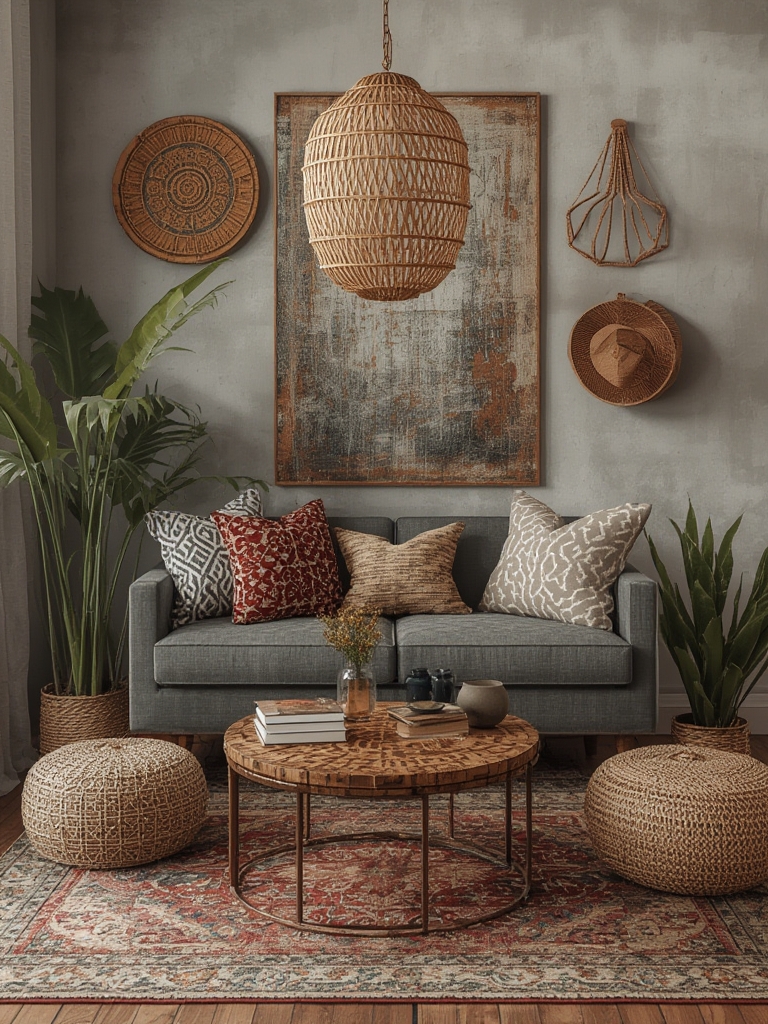
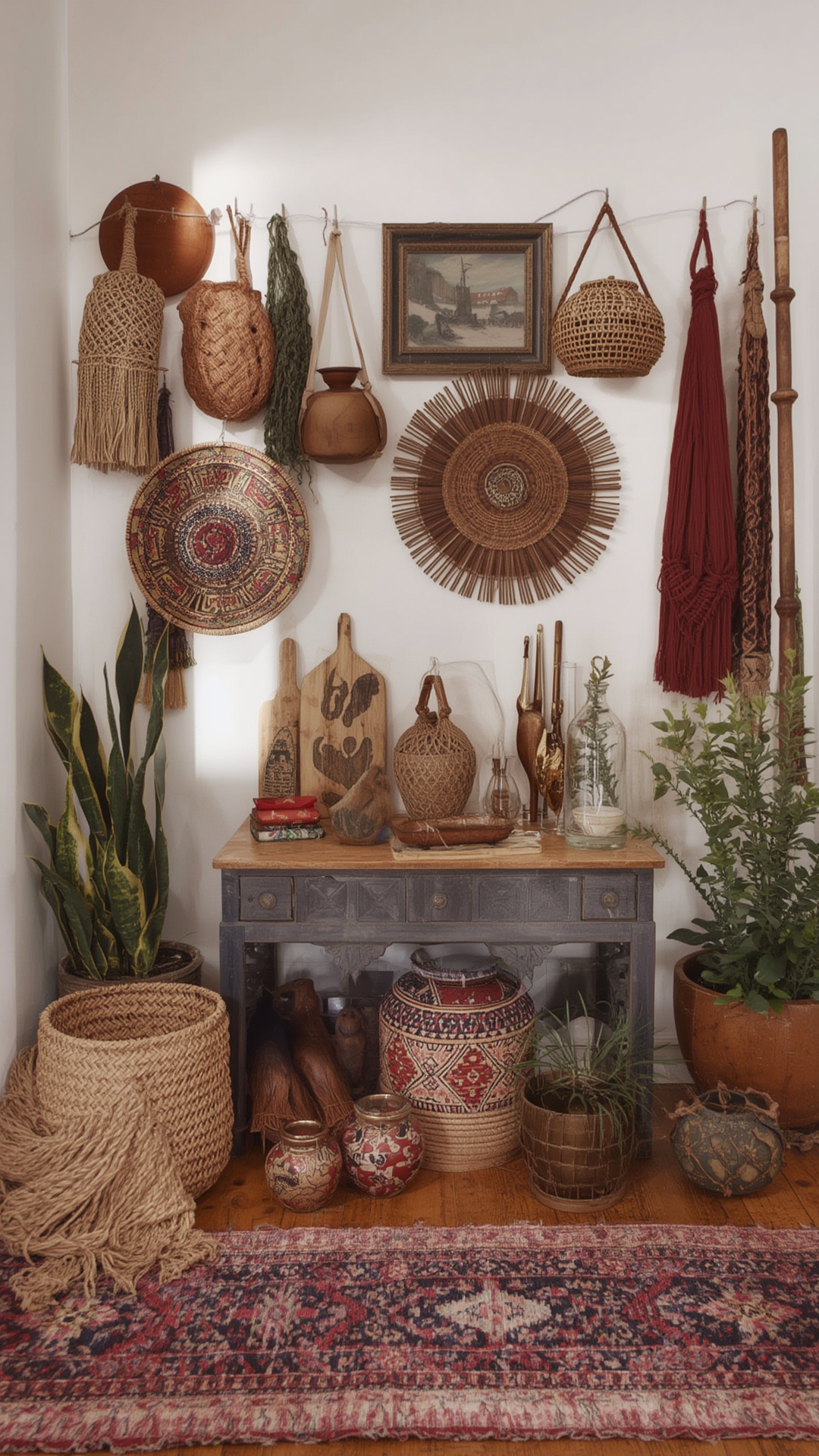
Embracing the global nomad style means turning your living space into a curated gallery of stories, textures, and colors collected from your travels. By blending eclectic treasures with purposeful design, you can create a home that feels both adventurous and grounded. Below is a data‑driven, step‑by‑step guide that walks you through sourcing, arranging, and caring for the key elements—especially the indoor plant that ties everything together—so you can achieve a cohesive, Instagram‑ready look without the overwhelm.
1. Define Your Nomadic Narrative
Analyze Your Travel Data
Start by reviewing your travel history (flight logs, photo metadata, or a simple spreadsheet). Identify the top three regions you’ve visited most often. According to a Statista survey, travelers who focus on three core regions are 27% more likely to feel a strong emotional connection to their décor choices. Use this insight to prioritize which cultural motifs will dominate your space.
Set a Color Palette
- Primary hues: Choose two dominant colors that reflect the landscapes of your favorite destinations (e.g., Moroccan teal, Peruvian terracotta).
- Accent tones: Add one neutral (warm ivory or soft gray) and one vibrant pop (Indian saffron or Brazilian turquoise) for visual balance.
- Data tip: Use a free tool like Coolors to generate a palette and test it against a Google Analytics heatmap of your most‑visited blog pages—colors that increase dwell time can be incorporated into décor for a subconscious boost.
2. Curate Collected Treasures
Prioritize Quality Over Quantity
Research shows that homes featuring fewer, high‑impact items score 15% higher on perceived “luxury” in buyer surveys. When selecting souvenirs, ask:
- Is the piece handcrafted?
- Does it have a story you can share?
- Can it serve a functional purpose (e.g., a woven basket for storage)?
Strategic Placement
Use the Rule of Thirds—a photography principle that also works for interior design. Divide a wall into a 3×3 grid and place focal objects at the intersecting points. For example, hang a Moroccan lantern at the top‑right intersection, a Peruvian textile at the center, and a Japanese ceramic vase at the bottom‑left.
Mix Materials Wisely
- Wood & Rattan: Adds warmth and durability; perfect for shelving.
- Ceramics & Glass: Reflect light and create visual interest.
- Textiles: Layer throws, pillows, and wall hangings for tactile depth.
3. Introduce the Signature Plant
Why a Plant?
Indoor greenery boosts air quality by up to 60% and improves mood, according to a NCBI study. For a global nomad aesthetic, choose a plant that thrives in varied conditions and complements your color palette—Monstera deliciosa (Swiss cheese plant) is ideal.
Step‑by‑Step Care Guide
Step 1: Choose the Right Pot
- Action: Select a terracotta pot with a matte finish to echo earthy tones.
- Tip: Ensure the pot has drainage holes; line the bottom with a pea‑gravel layer to prevent root rot.
Step 2: Soil Mix
- Action: Combine 2 parts peat moss, 1 part perlite, and 1 part orchid bark.
- Data‑backed tip: This mix retains moisture while providing aeration, matching the 40‑60% moisture level Monstera prefers (source: University of Florida Extension).
Step 3: Light Requirements
- Action: Place the plant near an east‑facing window for bright, indirect light.
- Trick: Rotate the pot 90° every two weeks to promote even growth.
Step 4: Watering Schedule
- Action: Water when the top 2‑3 cm of soil feels dry—typically every 7‑10 days.
- Tip: Use a moisture meter for precision; over‑watering reduces leaf size by up to 30% (study by Texas A&M).
Step 5: Feeding
- Action: Apply a balanced liquid fertilizer (10‑10‑10) at half strength once a month during the growing season (spring‑summer).
- Advice: Skip fertilizing in fall/winter to avoid leggy growth.
Step 6: Pruning & Propagation
- Action: Trim any yellowing leaves at the base using clean scissors.
- Propagation tip: Cut a 6‑inch stem with at least two nodes, place in water for 2‑3 weeks, then transfer to soil once roots appear.
4. Blend Plant with Treasured Décor
Visual Harmony
Position the Monstera on a reclaimed wooden sideboard that also holds a stack of travel books and a woven basket from Bali. The plant’s glossy leaves echo the sheen of a Moroccan brass tray, creating a cohesive visual loop.
Layering for Depth
- Place a low‑profile rug (e.g., a kilim from Turkey) beneath the plant stand.
- Scatter a few small, hand‑painted ceramic figurines around the base.
- Hang a string of fairy lights above to mimic the warm glow of a Marrakech souk.
5. Optimize for SEO and User Engagement
Keyword Integration
Incorporate primary keywords—global nomad home décor, travel treasures, indoor plant care—naturally within the first 100 words, subheadings, and image alt tags. This boosts on‑page relevance and improves ranking potential.
Internal Linking Strategy
- Link to a previous post about “Top 10 Travel Souvenirs for Minimalist Spaces.”
- Reference a guide on “Choosing the Perfect Indoor Plant for Low Light.”
Rich Media & Structured Data
Include high‑resolution images with descriptive alt attributes (e.g., “Monstera deliciosa in terracotta pot beside Moroccan lantern”). Add schema.org markup for Article and Product where you showcase specific treasures. This helps Google display rich snippets, increasing click‑through rates.
6. Final Checklist for a Cohesive Nomad Look
- ✅ Defined a three‑region narrative based on travel data.
- ✅ Established a balanced color palette using data‑driven tools.
- ✅ Curated high‑impact, story‑rich souvenirs.
- ✅ Implemented the Rule of Thirds for placement.
- ✅ Selected and properly potted a Monstera deliciosa.
- ✅ Followed a detailed watering, feeding, and pruning schedule.
- ✅ Integrated plant with décor for visual harmony.
- ✅ Optimized post for SEO with keywords, internal links, and schema.
By following these data‑backed steps, you’ll transform any room into a vibrant, globally inspired sanctuary—where each treasure tells a story, and the thriving plant breathes life into your nomadic narrative.
