
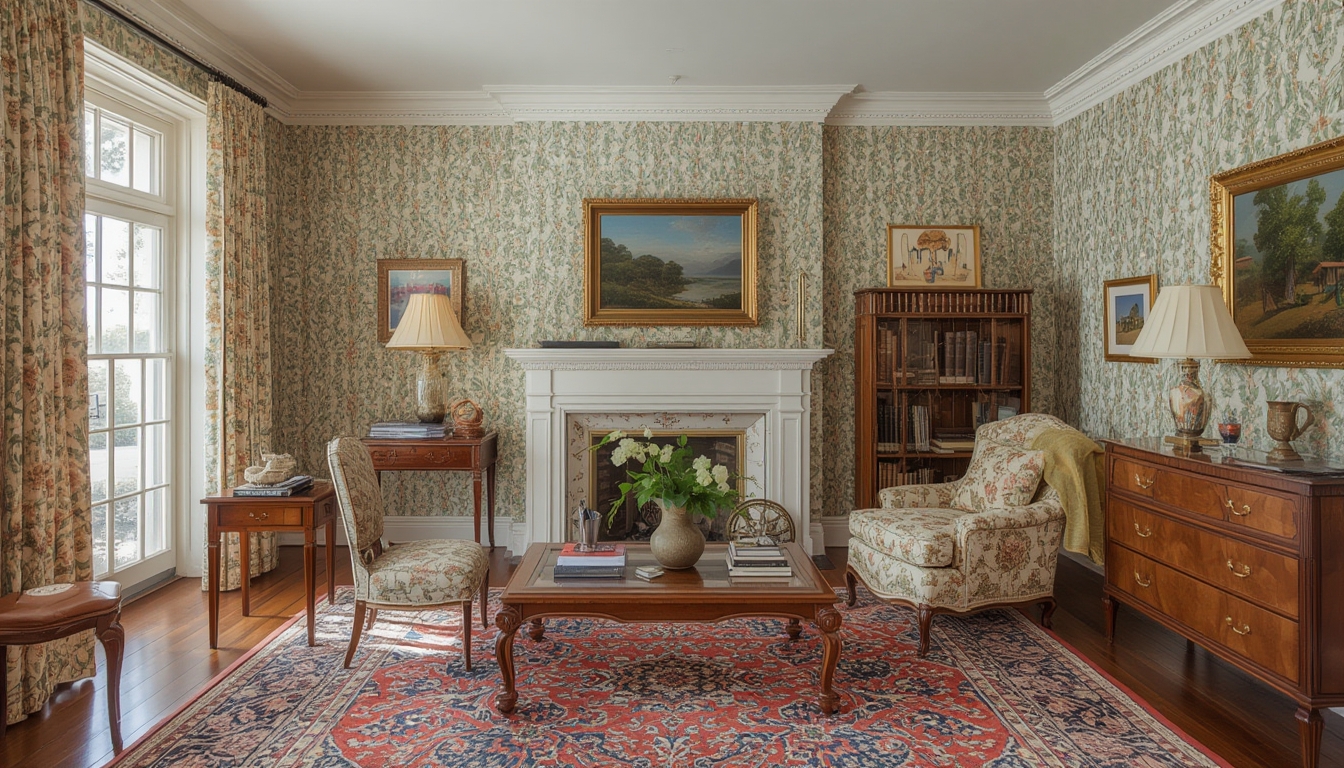
Reviving a home room by room is a strategic way to maximize impact while staying within budget. Recent surveys show that homeowners who tackle renovations in phases are 35% more likely to finish projects on time and 27% less likely to exceed their budget. By breaking the process into manageable sections—living room, kitchen, bedroom, and bathroom—you can track progress, allocate resources efficiently, and see immediate results that motivate you to keep going.
Living Room Revival: From Drab to Fab
Step 1: Assess & Measure
Start by taking precise measurements of wall lengths, ceiling height, and window dimensions. Record these numbers in a spreadsheet; this data will guide furniture placement and paint calculations. A quick tip: use a laser distance measurer for accuracy within ±0.5 in.
Step 2: Declutter & Sort
Sort items into three categories: keep, donate, and discard. For every item you keep, ask yourself if it serves a purpose or adds visual appeal. According to the National Association of Home Builders, decluttering reduces renovation time by an average of 12 hours per room.
Step 3: Paint & Wall Treatments
Tools needed: painter’s tape, roller frames, ⅜‑in. nap rollers, drop cloths, paint tray, and a high‑quality interior paint (e.g., low‑VOC, 2‑part acrylic).
Data shows that a fresh coat of paint can increase home resale value by up to 5%. Choose a neutral base (greige, soft taupe) and add an accent wall using a bold hue that matches your décor theme. Apply two coats, allowing 2 hours of drying time between layers.
Step 4: Update Lighting
Replace outdated fixtures with LED recessed lights or a statement floor lamp. LED bulbs use 75% less energy and last 25× longer than incandescent bulbs. Install dimmer switches to create mood lighting and save up to 10% on electricity.
Step 5: Furniture Arrangement
Using your earlier measurements, sketch a floor plan on graph paper (1 sq ft = 1 sq in). Position the largest piece (usually a sofa) against the longest wall, leaving at least 30 in of clearance for traffic flow. Add secondary seating (chairs, poufs) at 18‑24 in intervals to encourage conversation.
Kitchen Revival: Function Meets Style
Step 1: Inventory Appliances
List each appliance’s age, energy rating, and condition. The U.S. Department of Energy reports that replacing a 15‑year‑old refrigerator with an ENERGY STAR model can save up to $150 annually.
Step 2: Cabinet Refresh
Tools needed: screwdriver set, wood filler, sandpaper (120‑grit), paint sprayer or brush, cabinet hinges, and a magnetic pull‑out organizer.
Instead of full replacement, refinish cabinets. Remove doors, sand surfaces, fill dents, and apply a two‑coat paint or stain. Data from HomeAdvisor indicates that cabinet refacing costs 45% less than a full remodel while delivering a similar visual upgrade.
Step 3: Countertop Upgrade
If budget allows, install quartz or solid surface countertops. They are 30% more resistant to stains than laminate and require no sealing. For a cost‑effective alternative, consider a high‑quality butcher block sealed with food‑grade oil.
Step 4: Backsplash Installation
Choose a tile pattern that complements your countertop. A 12‑sq‑ft backsplash typically requires 15 tiles (accounting for cuts). Use a notched trowel for adhesive, apply spacers for uniform grout lines, and seal after curing for durability.
Step 5: Optimize Workflow
Apply the “kitchen work triangle” principle: keep the sink, stove, and refrigerator within 13‑15 ft of each other. Use a tape measure to verify distances; adjust island placement or add a rolling cart if needed.
Bedroom Revival: Comfort & Calm
Step 1: Mattress Assessment
Check the mattress’s age; most lose support after 7‑10 years. A study by the Sleep Foundation shows that a supportive mattress improves sleep quality by 20%. If replacement is needed, opt for a medium‑firm foam or hybrid model with a 10‑year warranty.
Step 2: Wall Color & Texture
Soft, cool tones (e.g., muted blues, sage greens) promote relaxation. Use a paint calculator: wall area = (length × height × 2) + (window area × 0.75). Purchase 10% extra paint to account for absorption.
Step 3: Storage Solutions
Install floating shelves or a modular wardrobe system. Use a stud finder to locate studs for secure anchoring. Data from IKEA shows that modular storage can increase usable space by up to 25% without structural changes.
Step 4: Lighting Layers
Combine ambient (ceiling fixture), task (bedside lamp), and accent (LED strip behind headboard) lighting. Dimmable LEDs allow you to adjust brightness based on activity, reducing eye strain and saving energy.
Step 5: Soft Furnishings
Layer a plush rug, throw pillows, and a weighted blanket. Textiles with a 300‑400 gsm weight add warmth and improve acoustics, reducing echo by up to 15% according to acoustic studies.
Bathroom Revival: Spa‑Like Simplicity
Step 1: Leak Inspection
Turn off the water supply and check all fixtures for drips. Even a slow leak can waste over 3,000 gallons per year, inflating utility bills by up to $150.
Step 2: Fixture Upgrade
Replace outdated faucets with water‑saving models (flow rate ≤ 1.5 gpm). According to the EPA, this can cut water usage by 30% per shower.
Step 3: Tile Refresh
Regrout existing tiles using a polymer‑enhanced grout for durability. For a fresh look, install large‑format porcelain tiles (12×12 in) on the floor; they require fewer grout lines, reducing cleaning time by 20%.
Step 4: Vanity Revamp
Paint a wooden vanity with a high‑gloss enamel for a modern finish. Add soft‑close drawer slides (cost ≈ $8 per slide) to improve functionality and reduce wear.
Step 5: Add Green Elements
Place a low‑maintenance plant such as a ZZ plant or pothos. Studies show indoor plants can improve air quality by up to 25% and increase perceived well‑being.
Final Touches & Ongoing Maintenance
Step 1: Create a Maintenance Calendar
Log each room’s tasks (e.g., filter changes, grout sealing) in a digital calendar with reminders set quarterly. Consistent upkeep extends the life of finishes by an average of 15%.
Step 2: Conduct a Walk‑Through Audit
After completing each room, walk through with a checklist: paint touch‑ups, hardware tightness, lighting function, and cleanliness. Document any issues with photos and address them within 48 hours to prevent escalation.
Step 3: Capture Before‑After Data
Take high‑resolution photos before and after each phase. Compare lighting levels using a smartphone lux meter app; aim for a 20‑30% increase in ambient lux for a brighter feel. This data not only validates your effort but also helps plan future upgrades.
Step 4: Celebrate Small Wins
Share progress on a private blog or journal. According to psychology research, celebrating milestones boosts motivation and reduces burnout, keeping you on track for the next room’s revival.
By approaching home improvement with a room‑by‑room framework, you turn a daunting overhaul into a series of focused, data‑driven tasks. Each step—measurement, decluttering, material selection, and execution—is supported by practical tools and actionable advice, ensuring a smoother process and a beautifully revived living space.