
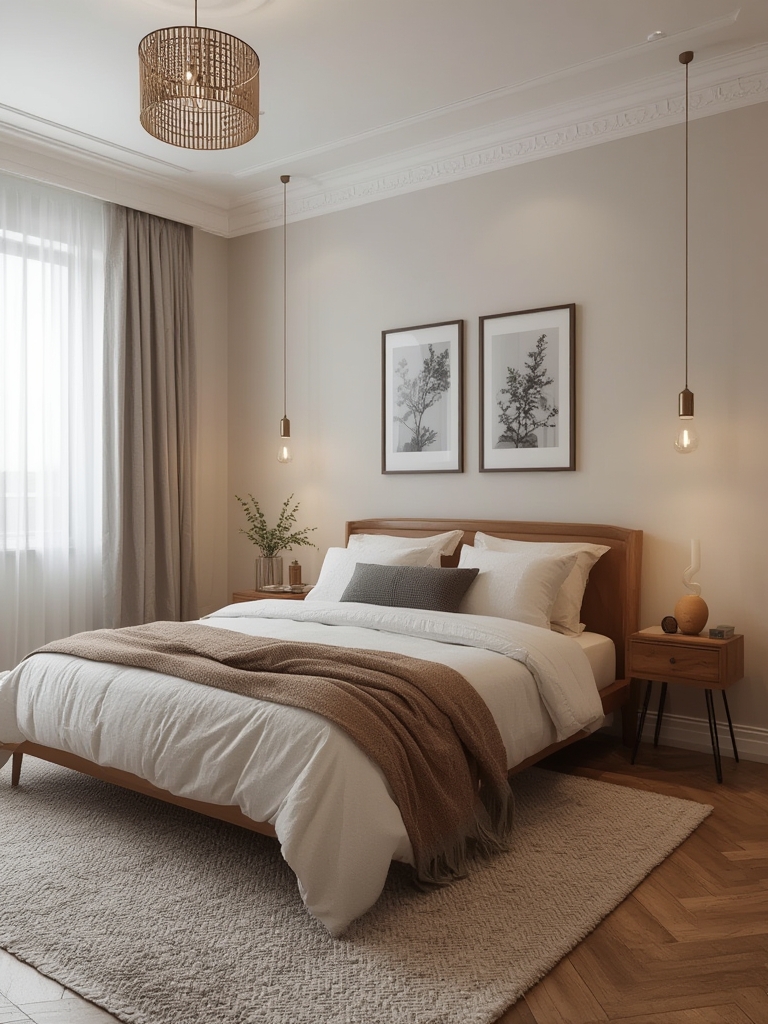
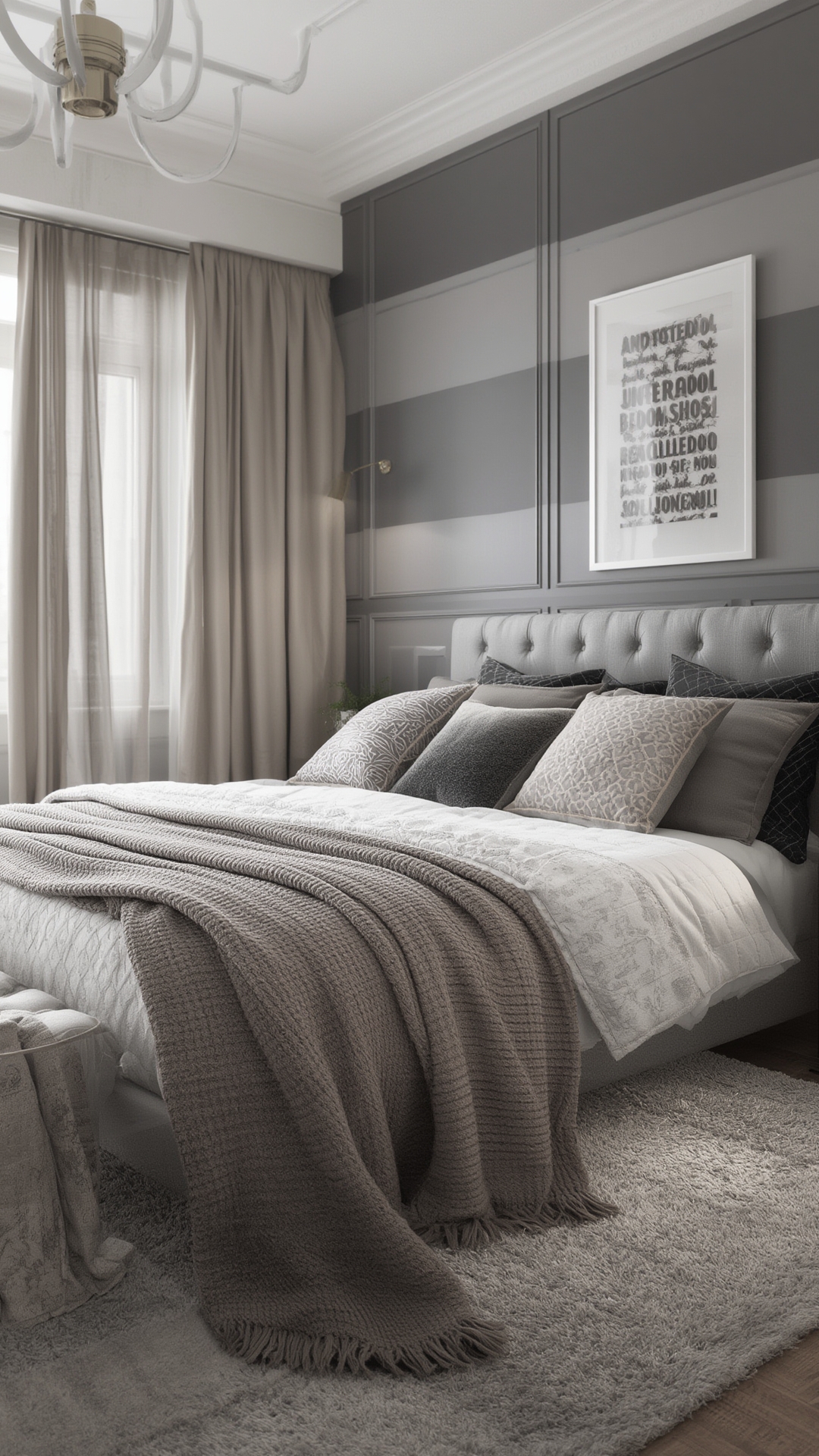
Designing a stylish yet functional bedroom in a compact apartment can feel like solving a puzzle—every piece matters. By leveraging data‑driven trends, smart layout tactics, and budget‑friendly décor tricks, you can transform a modest space into a serene sanctuary that maximizes comfort and visual appeal. Below is a step‑by‑step guide that blends proven design principles with actionable tips, ensuring you achieve a cohesive look without overwhelming your wallet.
1. Assess the Space and Set Realistic Goals
Measure and Map
- Use a laser measure or a simple tape to record the length, width, and ceiling height of the room.
- Sketch a to‑scale floor plan on graph paper (1 square = 1 ft) or use a free online tool like Roomstyler to visualize furniture placement.
- Identify obstacles such as windows, doors, and built‑in closets; note their swing direction to avoid traffic bottlenecks.
Define Priorities
- List essential functions: sleeping, storage, work, or relaxation.
- Rank each function by importance (e.g., sleep = 5, workspace = 3, lounge = 2).
- Allocate square footage accordingly—aim for at least 30 % of floor space to remain open for movement.
2. Choose a Cohesive Color Palette
Leverage Data‑Backed Color Trends
According to a 2024 Houzz survey, 62 % of renters prefer muted neutrals combined with a single accent hue for a calming bedroom vibe. Opt for a base of soft greys, warm whites, or pastel blues, then introduce a pop of color through textiles or artwork.
Practical Application
- Paint the walls in a light, reflective shade to amplify natural light—this can make a 150 sq ft room feel up to 20 % larger.
- Use the 60‑30‑10 rule for décor: 60 % dominant color (walls), 30 % secondary color (bedding, curtains), 10 % accent (pillows, décor).
- Test paint samples on three different walls to see how light shifts throughout the day before committing.
3. Maximize Storage Without Clutter
Multi‑Functional Furniture
- Invest in a platform bed with built‑in drawers—each drawer typically offers 2–3 gal of storage, replacing a separate dresser.
- Choose nightstands that double as charging stations or have hidden compartments for books and accessories.
- Consider a wall‑mounted fold‑down desk that can serve as a vanity when not in use.
Vertical Solutions
- Install floating shelves 12–18 in above floor level to keep floor space clear while displaying décor.
- Use a tall, narrow wardrobe (up to 7 ft high) to store seasonal items; the extra height adds up to 30 % more storage than a low dresser.
- Hang hooks or a pegboard behind the door for bags, scarves, and accessories.
4. Optimize Lighting for Mood and Function
Layered Lighting Strategy
Research from the Lighting Research Center shows that layered lighting can improve perceived room size by 15 % and boost relaxation. Aim for three layers:
- Ambient: Recessed LED downlights or a soft overhead fixture with a dimmer.
- Task: Adjustable bedside lamps or wall sconces for reading.
- Accent: LED strip lights behind the headboard or a small gallery wall spotlight.
Energy‑Saving Tips
- Choose bulbs with a color temperature of 2700 K–3000 K for a warm, cozy feel.
- Opt for ENERGY STAR‑rated fixtures to reduce electricity usage by up to 30 %.
- Use smart plugs to schedule lights to turn off automatically when you leave the room.
5. Add Personal Touches That Reflect Your Style
Textiles and Soft Furnishings
- Layer a plush area rug (3 × 5 ft) to add warmth and define the sleeping zone; a rug with a subtle pattern can hide minor stains.
- Swap out pillow covers seasonally—this low‑cost update can refresh the room’s look without a full redesign.
- Choose curtains that reach the floor; longer drapes create an illusion of height.
Artwork and Greenery
- Hang a single large statement piece or a curated gallery of 3–5 smaller frames—keep the total width under 70 % of the wall length for balance.
- Introduce low‑maintenance plants such as a snake plant or ZZ plant; they improve air quality and add a natural element without needing much light.
- Use decorative trays or baskets on nightstands to corral small items and keep surfaces tidy.
6. Final Checklist for a Polished Finish
- Confirm that all pathways are at least 30 in wide for easy movement.
- Test lighting levels with a smartphone lux meter app—aim for 300–500 lux for general illumination.
- Take a step back and assess the visual balance: the dominant color should dominate, secondary elements support, and accents add interest.
- Snap photos before and after to track your transformation and share on social media for SEO boost—use hashtags like #ApartmentBedroomDIY and #SmallSpaceLiving.
By following these data‑driven steps, you’ll create an apartment bedroom that feels spacious, stylish, and uniquely yours—all while staying within a realistic budget. Remember, the key to success lies in thoughtful planning, strategic layering of color and light, and the clever use of multi‑functional pieces that keep clutter at bay. Happy decorating!