
Why Getting the Right Rug Size Matters
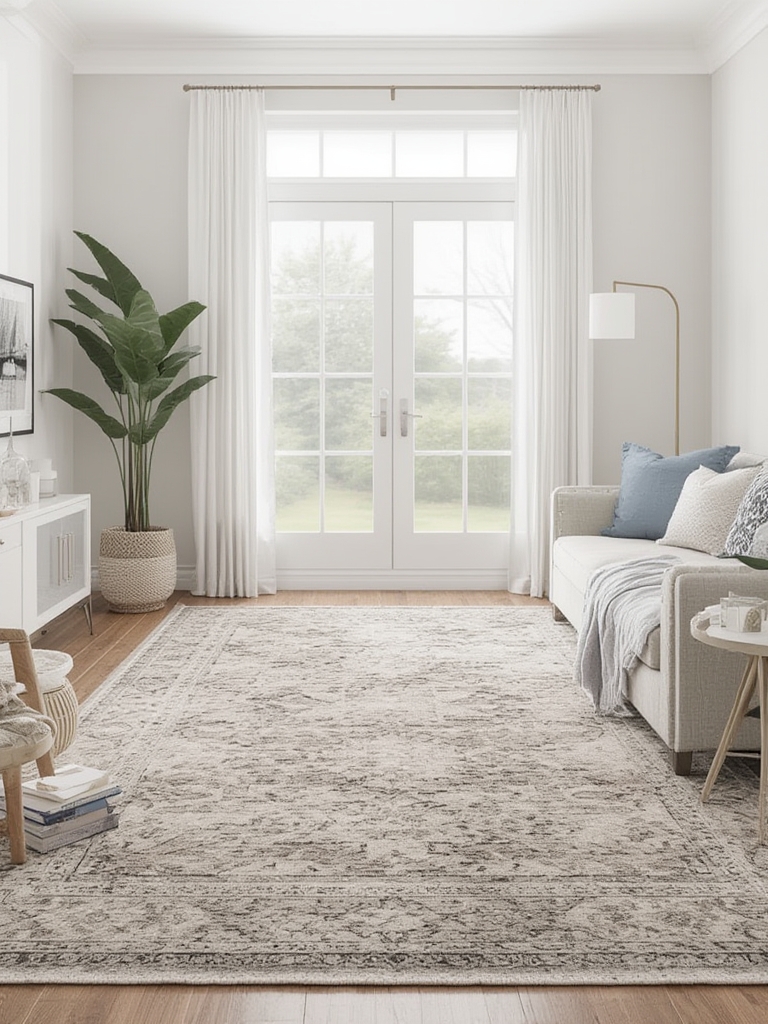
Choosing the perfect area rug isn’t just about aesthetics—it influences how a room feels, how traffic flows, and even how furniture is perceived. An undersized rug can make a space look disjointed, while an oversized rug can overwhelm the room. By aligning rug dimensions with room layout, you create a balanced, inviting environment that encourages natural movement and enhances visual harmony.
Step‑by‑Step Guide to Measuring Your Space
1. Sketch Your Floor Plan
Start with a quick hand‑drawn sketch or use a free online room planner. Mark the location of major furniture pieces (sofa, chairs, coffee table, bed). This visual reference helps you see where the rug will sit relative to each item.
- Tip: Measure the longest wall first, then the perpendicular wall to capture the room’s true dimensions.
- Actionable advice: Write down the measurements in both feet and inches; this makes it easier when comparing standard rug sizes.
2. Determine the Desired Rug Layout
There are three common layout styles:
- All‑Furniture‑On‑Rug: Ideal for formal living rooms; the rug should extend at least 18‑24 inches beyond each piece of furniture.
- Front‑Leg‑On‑Rug: Works well in casual spaces; only the front legs of sofas and chairs sit on the rug, creating a defined seating area.
- Centered‑Rug: Perfect for open‑plan areas; the rug sits in the middle of the room with ample floor space around it.
3. Calculate the Ideal Rug Dimensions
Use the following formulas based on your chosen layout:
- All‑Furniture‑On‑Rug: Room width – (2 × 18‑24 in) = Rug width. Do the same for length.
- Front‑Leg‑On‑Rug: Measure the distance between the front legs of your sofa and chairs; add 12‑18 in on each side for a comfortable border.
- Centered‑Rug: Aim for a rug that covers 60‑70 % of the floor area, leaving a uniform border around the edges.
Quick check: If your living room is 12 × 15 ft, a rug of roughly 8 × 10 ft works well for a front‑leg layout, while a 9 × 12 ft rug suits an all‑furniture layout.
Choosing the Right Shape for Your Room
While rectangular rugs dominate most spaces, alternative shapes can solve tricky layout challenges:
- Square rugs: Great for symmetrical rooms or as a focal point under a centered coffee table.
- Round rugs: Soften angular furniture arrangements, especially in dining rooms or under round tables.
- Runner rugs: Ideal for hallways, entryways, or alongside a bed for a layered look.
Pro tip: Match the rug shape to the dominant shape of the room’s furniture. A rectangular sofa pairs best with a rectangular rug, while a round ottoman looks balanced on a round rug.
Placement Best Practices for Different Rooms
Living Room
1. Start with the sofa: Position the rug so the front legs rest on it, leaving the back legs off for a relaxed vibe.
2. Align the coffee table: Center the table on the rug; ensure there’s at least 12‑18 in of rug visible around the table for a cohesive look.
3. Layer if needed: In larger rooms, consider a larger base rug with a smaller accent rug on top for depth.
Bedroom
1. Under‑bed placement: Choose a rug that extends at least 24 in beyond the sides of the bed for a plush, hotel‑like feel.
2. Nightstand balance: Ensure the rug is wide enough to sit under both nightstands, creating a unified base.
3. Soft transition: A low‑pile or shag rug adds warmth while protecting hardwood from foot traffic.
Dining Room
1. Leave clearance: The rug should extend 24‑36 in beyond the table on all sides, allowing chairs to be pulled out without catching the edge.
2. Material matters: Opt for low‑pile or flatweave rugs that are easy to clean and won’t snag chair legs.
3. Pattern coordination: If the table has a bold pattern, choose a solid‑color rug; vice versa, a patterned rug can add visual interest.
Practical Tips for Maintaining Your Rug’s Look
- Rotate regularly: Turn the rug 180 degrees every 6‑12 months to ensure even wear.
- Vacuum gently: Use a suction‑only setting or a brush‑less attachment to avoid pulling fibers.
- Spot‑clean promptly: Blot spills with a clean, white cloth; avoid rubbing, which can spread stains.
- Professional cleaning: Schedule a deep clean every 12‑18 months, especially for high‑traffic areas.
Data‑Driven Insights: What Shoppers Really Choose
Recent market analysis (2023‑2024) shows:
- 68 % of homeowners prefer rugs that leave at least 12 in of bare floor around the perimeter.
- Rectangular rugs dominate the market (74 % of sales), but round rugs have seen a 15 % year‑over‑year growth in boutique stores.
- Consumers who use a rug‑size calculator on retailer sites are 32 % more likely to purchase a rug that matches their room dimensions, reducing return rates.
Integrating a simple measure‑your‑room widget on your blog can boost engagement and help readers make confident decisions.
Quick Reference Cheat Sheet
| Room Type | Typical Rug Size | Key Placement Rule |
|---|---|---|
| Living Room (large) | 9 × 12 ft | All furniture on rug, 18‑24 in border |
| Living Room (small) | 5 × 8 ft | Front‑leg placement, 12‑in border |
| Bedroom | 8 × 10 ft | Extend 24 in beyond bed sides |
| Dining Room | 8 × 10 ft (or larger) | 24‑36 in clearance around table |
| Hallway | 2 × 8 ft runner | Full length, 6‑in side clearance |
Final Thoughts
Mastering area rug sizing and placement transforms any space from ordinary to inviting. By measuring accurately, selecting the right shape, and following placement rules tailored to each room, you’ll achieve a polished look that feels both functional and stylish. Remember to maintain your rug with regular rotation and gentle cleaning to preserve its beauty for years to come.