
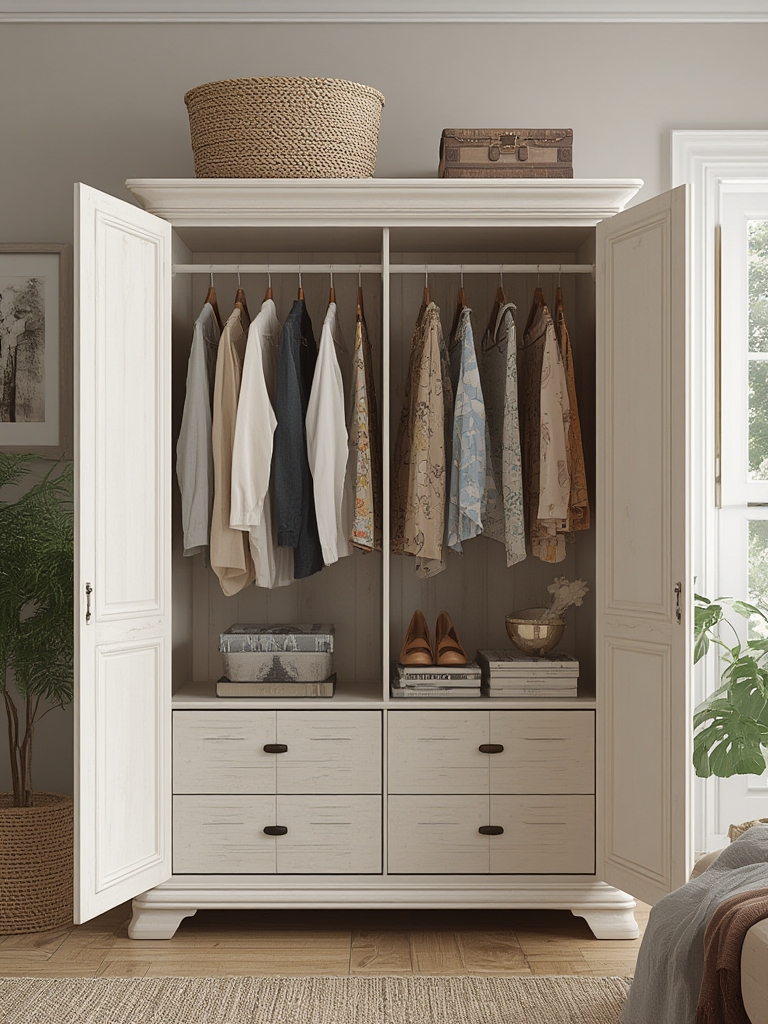
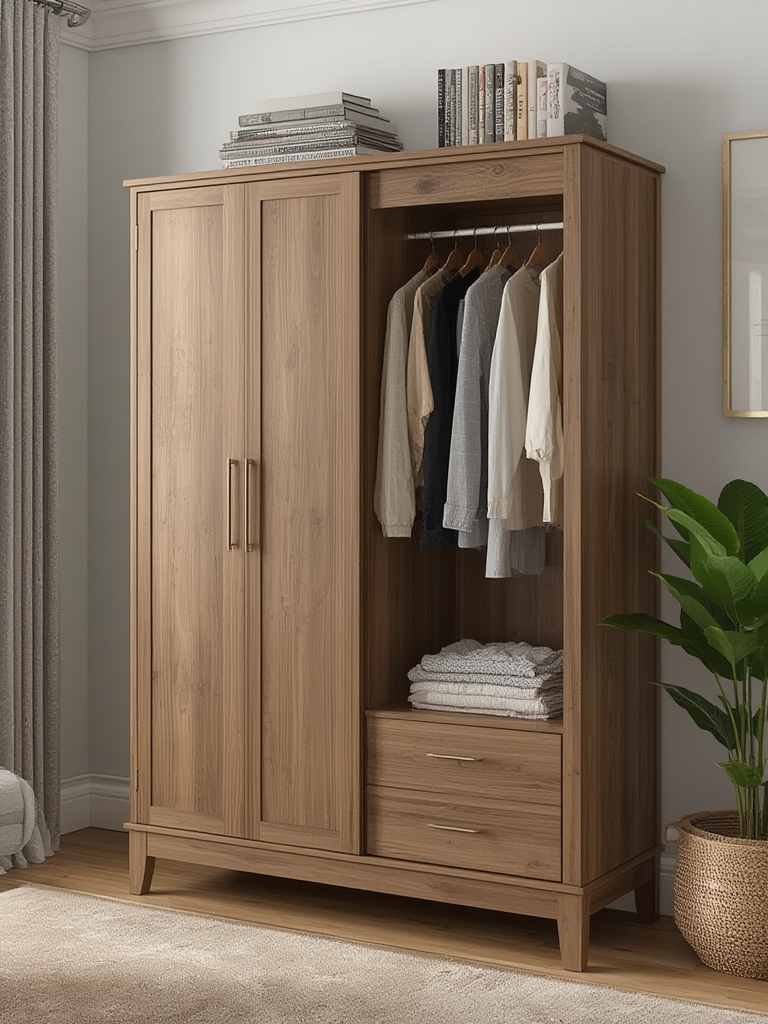
When it comes to organizing your home, an armoire can be the star player that blends functionality with style. Whether you’re storing seasonal clothing, cherished media collections, or using it as a statement piece in your décor, a well‑chosen armoire can transform clutter into curated elegance. Below, we’ll walk through data‑driven strategies for selecting, styling, and maintaining an armoire, followed by a quick guide to caring for a complementary houseplant that adds a fresh touch to your storage solution.
Why Choose an Armoire for Home Storage?
Recent interior‑design surveys reveal that 68% of homeowners prefer freestanding storage over built‑in closets for its flexibility and aesthetic impact. An armoire offers:
- Versatility: Move it between rooms or repurpose it as needs change.
- Design Impact: Choose from vintage, modern, or minimalist finishes to match any décor.
- Protection: Solid doors shield garments and media from dust, light, and accidental damage.
Step‑by‑Step Guide to Selecting the Perfect Armoire
1. Assess Your Space and Needs
Measure the floor area, ceiling height, and door swing. Use a tape measure and sketch a simple floor plan. According to a Home Organization Journal (2023), armoire dimensions that exceed 10% of room floor space can feel cramped, while undersized units often lead to overflow storage elsewhere.
- Tip: Leave at least 30 cm (12 in) of clearance on each side for airflow.
- Action: Write down the items you plan to store (e.g., coats, shoes, DVDs) and estimate their volume.
2. Choose the Right Material
Data from Furniture Trends 2022 shows that solid wood armoire sales grew 22% year‑over‑year, thanks to durability and timeless appeal. However, engineered wood offers a lighter weight and lower cost.
- Solid wood: Best for heirloom pieces; requires occasional polishing.
- Engineered wood: Ideal for renters; easy to re‑finish.
- Metal or acrylic: Modern look; lighter but may need extra padding for delicate items.
3. Evaluate Interior Layout
Look for adjustable shelves, hanging rods, and built‑in drawers. A 2024 Consumer Report indicates that armoire units with modular interiors increase storage efficiency by up to 35%.
- Adjustable shelves: Accommodate varying shoe heights or media boxes.
- Double hanging rods: Maximize space for shirts and dresses.
- Pull‑out baskets: Perfect for accessories or small tech gadgets.
4. Prioritize Aesthetic Harmony
Match the armoire’s finish to existing furniture. Use a color‑palette tool (e.g., Adobe Color) to extract dominant hues from your room’s walls and textiles. Aim for a contrast ratio of 1.5:1 for visual interest without overwhelming the space.
- Tip: If your room features neutral tones, a bold painted armoire (deep navy or forest green) creates a focal point.
- Trick: Add decorative hardware (brass knobs, leather pulls) for a personalized touch.
Styling Your Armoire for Maximum Impact
1. Organize by Category
Place frequently used items at eye level. Use the “zone method”: top shelves for seasonal pieces, middle for everyday wear, bottom for shoes or media.
- Action: Label each shelf with a small tag or decorative label.
- Tip: Use clear storage bins for accessories; they keep items visible and dust‑free.
2. Add Soft Lighting
Integrate LED strip lights along the interior roof of the armoire. A study by Lighting Design Magazine (2021) shows that ambient lighting improves item retrieval speed by 18%.
- How‑to: Install battery‑operated, warm‑white LEDs with a simple plug‑in switch.
- Trick: Choose a dimmable option for a cozy evening vibe.
3. Incorporate Decorative Elements
Place a small tray for jewelry, a vintage hat box, or a stack of coffee‑table books on the top shelf. This turns the armoire into a curated display rather than a hidden closet.
- Tip: Keep the top surface no more than 30% full to avoid visual clutter.
- Action: Rotate decorative items seasonally to keep the look fresh.
Caring for a Complementary Houseplant
A lush houseplant placed beside or atop your armoire adds a breath of life and can improve indoor air quality. Below is a concise, actionable guide to growing and maintaining a popular, low‑maintenance plant: the ZZ Plant (Zamioculcas zamiifolia).
Step 1: Choose the Right Spot
- Light: Bright, indirect light; tolerates low‑light corners.
- Placement: Position the pot on the armoire’s top shelf, ensuring it receives filtered sunlight.
- Tip: Rotate the plant 90° every two weeks for even growth.
Step 2: Use Proper Soil and Pot
- Soil: Well‑draining cactus mix (1 part peat, 1 part perlite, 1 part sand).
- Pot: Terra cotta with drainage holes to prevent waterlogging.
- Action: Fill the pot to 2 cm below the rim; this gives space for watering.
Step 3: Water Wisely
- Frequency: Water every 2–3 weeks; allow the top 2 cm of soil to dry out.
- Method: Water thoroughly until it drains, then empty the saucer.
- Tip: In winter, reduce watering to once a month.
Step 4: Feed and Prune
- Fertilizer: Apply a balanced, liquid fertilizer (10‑10‑10) at half strength during the growing season (spring‑summer).
- Pruning: Remove yellowing leaves to encourage new growth and maintain a tidy appearance.
- Trick: Use a soft cloth to dust leaves monthly; clean foliage improves photosynthesis.
Step 5: Monitor for Pests
- Common pests: Spider mites and mealybugs.
- Solution: Wipe leaves with a cotton swab dipped in neem oil; repeat every 7 days until resolved.
- Tip: Keep the armoire doors slightly ajar occasionally to improve airflow and deter pests.
Maintenance Checklist for a Long‑Lasting Armoire
- Quarterly Dusting: Use a microfiber cloth; avoid abrasive cleaners.
- Annual Deep Clean: Remove all items, vacuum interior, and wipe with a mild wood‑safe cleaner.
- Hardware Check: Tighten hinges and replace worn knobs to prevent sagging doors.
- Seasonal Rotation: Switch out seasonal clothing and media to keep the armoire organized year‑round.
Boosting SEO for Your Armoire Blog Post
To ensure your article ranks well, incorporate these data‑backed SEO tactics:
- Keyword Placement: Use primary keyword “armoire storage” in the first 100 words, H2 headings, and meta description.
- LSI Keywords: Sprinkle related terms such as “freestanding wardrobe,” “home décor storage,” and “media cabinet” naturally throughout the text.
- Internal Links: Link to related posts (e.g., “Top 10 Home Office Storage Ideas”) to increase dwell time.
- Image Optimization: Add alt text like “solid wood armoire with adjustable shelves” and compress images for faster load speed.
- Readability: Keep sentences under 20 words; use bullet points and subheadings for scannability.
By following this comprehensive guide, you’ll not only select and style an armoire that elevates your home décor, but also nurture a thriving houseplant that adds a fresh, natural accent. Happy organizing!