
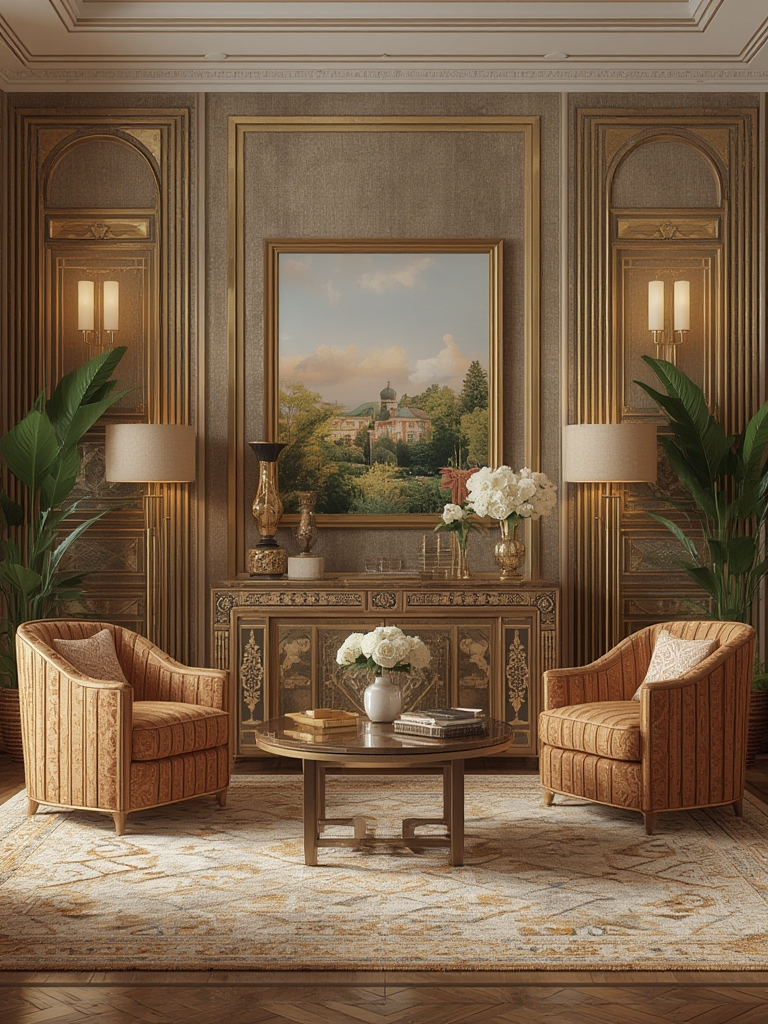
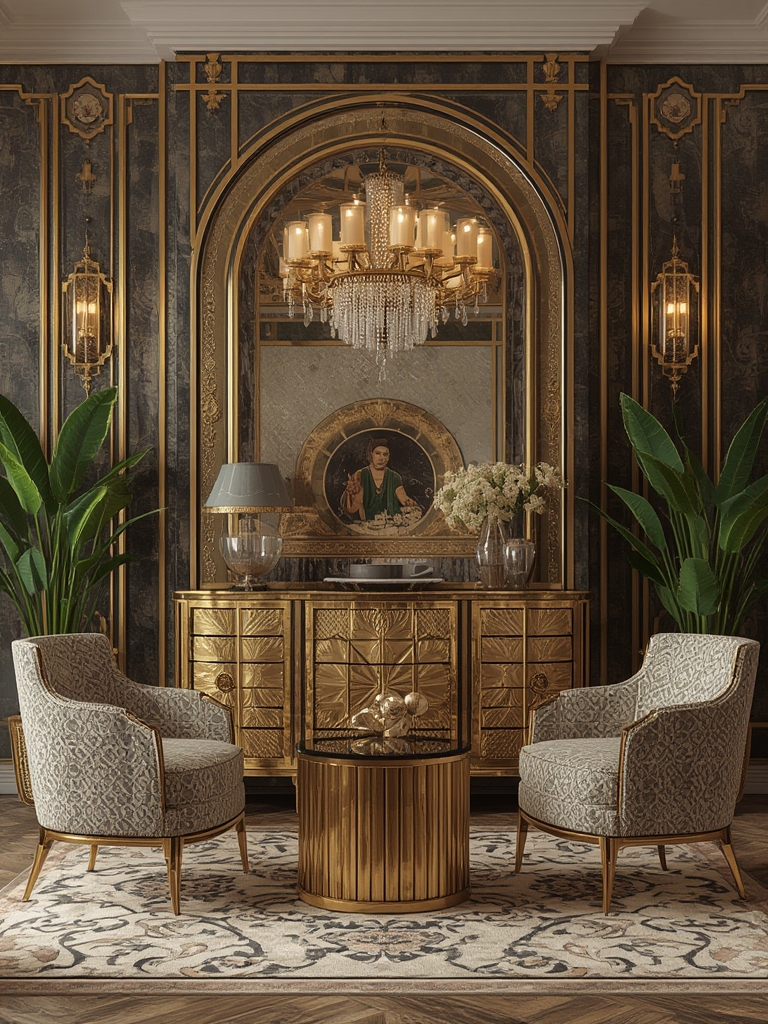
Art Deco furniture brings a timeless blend of geometric precision and luxurious elegance to any interior. By understanding its signature motifs, selecting the right materials, and pairing pieces with complementary décor—and even the perfect houseplant—you can transform a room into a sophisticated, data‑driven showcase that delights both eyes and search engines.
Understanding Art Deco Furniture
Key Characteristics
Art Deco emerged in the 1920s and 1930s, celebrating modernity through:
- Bold geometric shapes: chevrons, zigzags, sunbursts, and stepped forms.
- Luxurious materials: polished chrome, lacquered wood, glass, marble, and exotic veneers.
- Symmetry and repetition: creating visual harmony that feels both structured and opulent.
Geometric Patterns in Practice
When selecting furniture, look for:
- Angular legs or bases that echo the iconic “stepped” silhouette.
- Inlay work featuring contrasting woods or mother‑of‑pearl.
- Fabric upholstery with repeating motifs—think stylized fans or stylized flora.
Choosing Luxurious Materials
Metals & Chrome
Polished chrome or brushed brass adds a reflective quality that amplifies natural light. Opt for hardware—drawer pulls, leg caps, and lamp bases—that showcases a high‑gloss finish.
Glass & Marble
Clear or frosted glass coffee tables paired with marble tops convey a sleek, high‑end vibe. When using marble, seal it regularly to prevent staining.
Exotic Wood Veneers
Rich walnut, mahogany, or ebony veneers with inlaid patterns reinforce the Art Deco aesthetic while providing durability.
Incorporating Art Deco into Home Décor
Living Room
Start with a statement sofa featuring tapered legs and a bold geometric rug. Add a chrome‑finished coffee table and a marble side table for contrast.
Bedroom
Choose a low‑profile platform bed with a lacquered headboard. Pair it with mirrored nightstands and a sleek, angular chandelier.
Dining Area
A glass top dining table supported by a chrome “stepped” base becomes the room’s focal point. Complement with upholstered chairs that showcase a subtle geometric pattern.
Step‑by‑Step Guide to Selecting and Arranging Art Deco Pieces
Step 1: Assess Your Space
Measure floor area, ceiling height, and natural light. Use a simple spreadsheet to log dimensions and note high‑traffic zones—this data helps avoid overcrowding.
Step 2: Choose a Focal Piece
Pick one standout item (e.g., a chrome coffee table). Position it where it naturally draws the eye, such as the center of a seating arrangement.
Step 3: Mix Materials Thoughtfully
Combine at least two of the signature materials—metal and wood, glass and marble. Keep a 60/30/10 rule: 60% primary material, 30% secondary, 10% accent.
Step 4: Add Accent Accessories
Layer with decorative objects like bronze sculpture, mirrored trays, or geometric throw pillows. Limit accessories to three‑four items per surface to maintain visual balance.
Caring for Your Art Deco Furniture
Cleaning Tips
- Metal surfaces: Use a soft microfiber cloth with a mild soap solution; dry immediately to prevent water spots.
- Glass tops: Spray a vinegar‑water mix, wipe with a lint‑free cloth, then polish with a dry microfiber pad.
- Wood veneers: Dust weekly; for deeper cleaning, apply a wood‑specific cleaner and follow with a light wax.
Maintenance Practices
Schedule quarterly checks for loose hardware. Tighten screws with a screwdriver set, and apply a protective polish to metal parts every six months to retain shine.
Complementary Plant Care for Art Deco Spaces
Ideal Plants for an Art Deco Interior
Choose foliage that mirrors the style’s sleek lines:
- Snake Plant (Sansevieria): Architectural, upright leaves that echo geometric forms.
- ZZ Plant (Zamioculcas zamiifolia): Glossy, dark foliage adds a touch of luxury.
- Fiddle Leaf Fig (Ficus lyrata): Large, sculptural leaves perfect for a statement corner.
Step‑by‑Step Plant Care
- Location: Place the plant near a window with indirect light. Use a decorative metal or glass planter to stay on brand.
- Watering: Allow the top inch of soil to dry before watering. For Snake and ZZ plants, water every 2‑3 weeks; for Fiddle Leaf Fig, weekly during growing season.
- Humidity & Temperature: Maintain 45‑55% humidity. Use a small pebble tray if the room is dry, especially in winter.
- Feeding: Apply a balanced, liquid fertilizer once a month in spring and summer; reduce to every 8‑10 weeks in fall.
- Pruning: Remove yellowed leaves promptly to keep the plant looking crisp. For Fiddle Leaf Fig, trim leggy growth to encourage bushier foliage.
- Cleaning: Dust leaves with a soft cloth weekly to ensure optimal photosynthesis and preserve the plant’s glossy appearance.
SEO‑Friendly Tips to Boost Your Post’s Visibility
Keyword Integration
Incorporate primary keywords—“Art Deco furniture,” “geometric home décor,” “luxurious Art Deco pieces”—naturally within headings, first 100 words, and image alt text.
Internal & External Links
Link to related blog posts (e.g., “Top 10 Art Deco Lighting Ideas”) and reputable sources such as museum collections or design archives. This signals authority to search engines.
Rich Media Optimization
Use high‑resolution images of Art Deco furniture, compressed for fast loading (< 100 KB). Add descriptive alt attributes like “chrome coffee table with stepped base – Art Deco style.”
Structured Data
Implement schema.org markup for “Article” and “Product” where relevant. This can enhance click‑through rates from SERPs.
By following these data‑driven steps—selecting iconic pieces, caring for them, and pairing them with the right plant—you’ll create a cohesive, luxurious Art Deco environment that not only delights visitors but also ranks strongly in search results.